George Edward Huntley

2nd Lt. George E Huntley of the RASC taken in 1918 or 1919

Resolving a Mystery

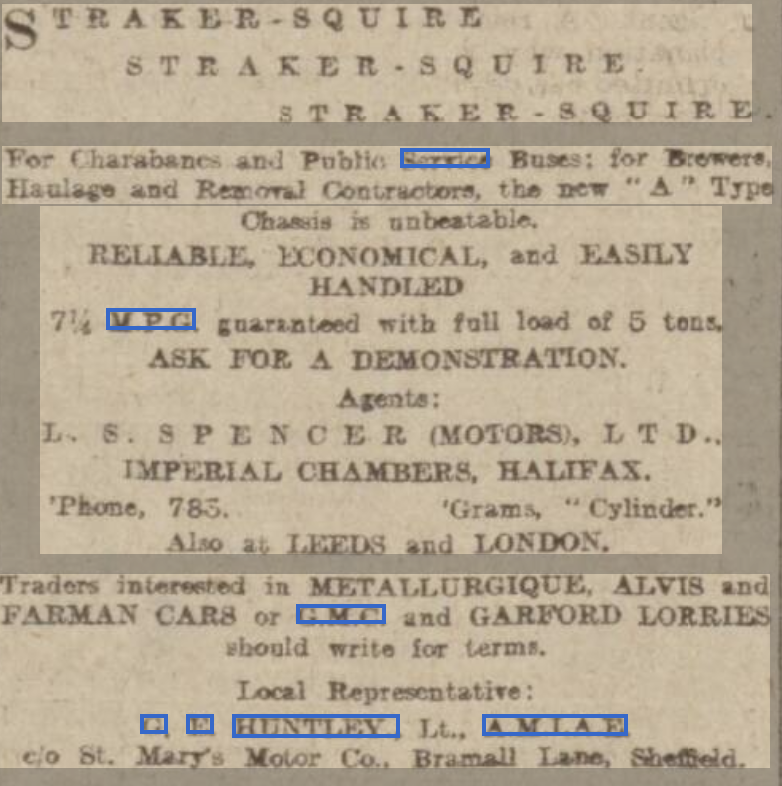
My mother never knew her father’s identity. She was brought up by her Aunt Edith Williams after her mother, Harriet, died in childbirth in early August 1941. Her aunts would not discuss the matter. However, when Edith died in 1967, my mother found a clue amongst her possessions in the form of two scraps of paper shown below.

His name was Captain George E. Huntley, and his army number was P/80355. I conducted a search for George E. Huntley and found a Sgt. G. E. Huntley in the Great War. Could this be my grandfather?
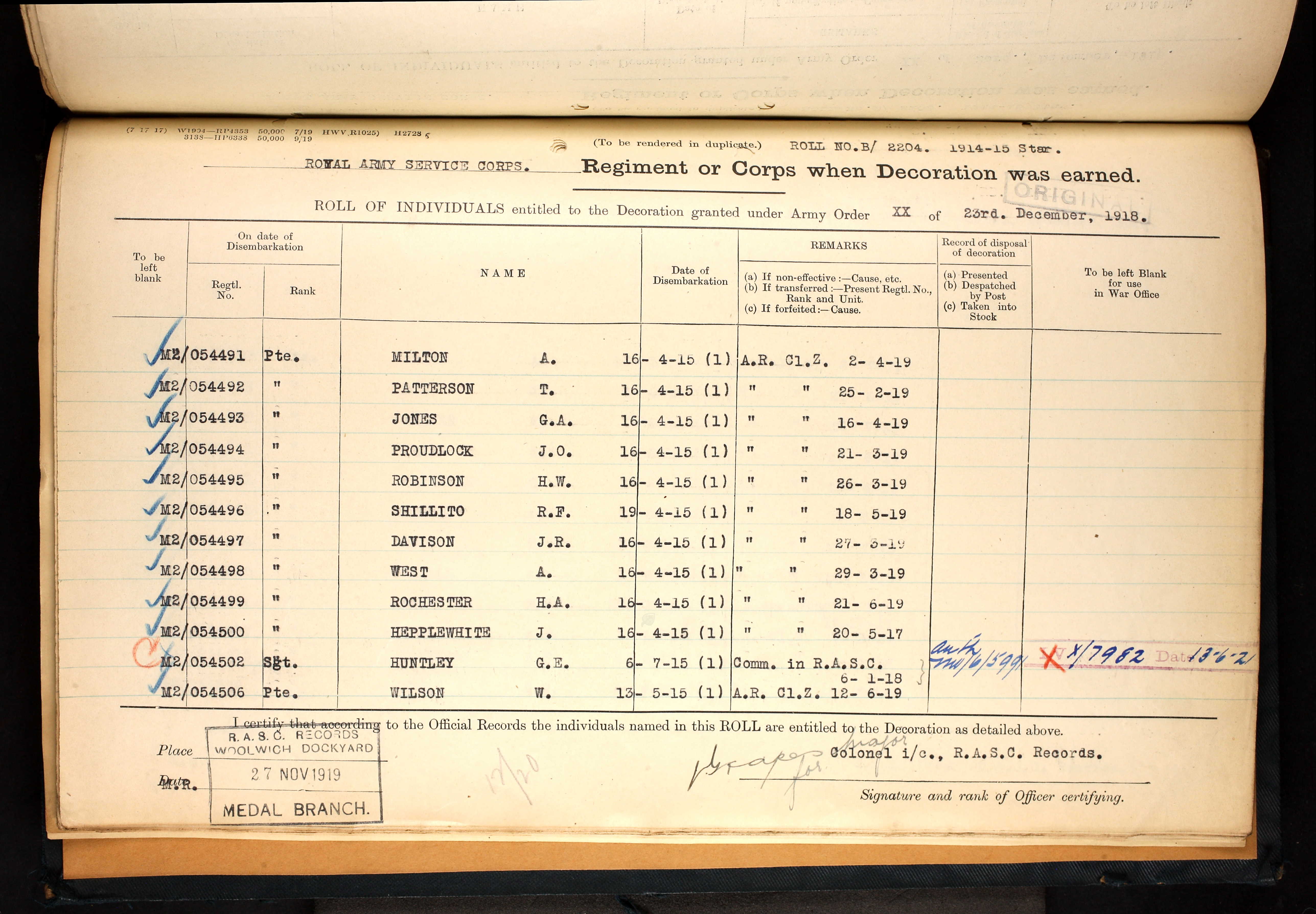
Evidence of a Sgt G. E. Huntley in the First World War
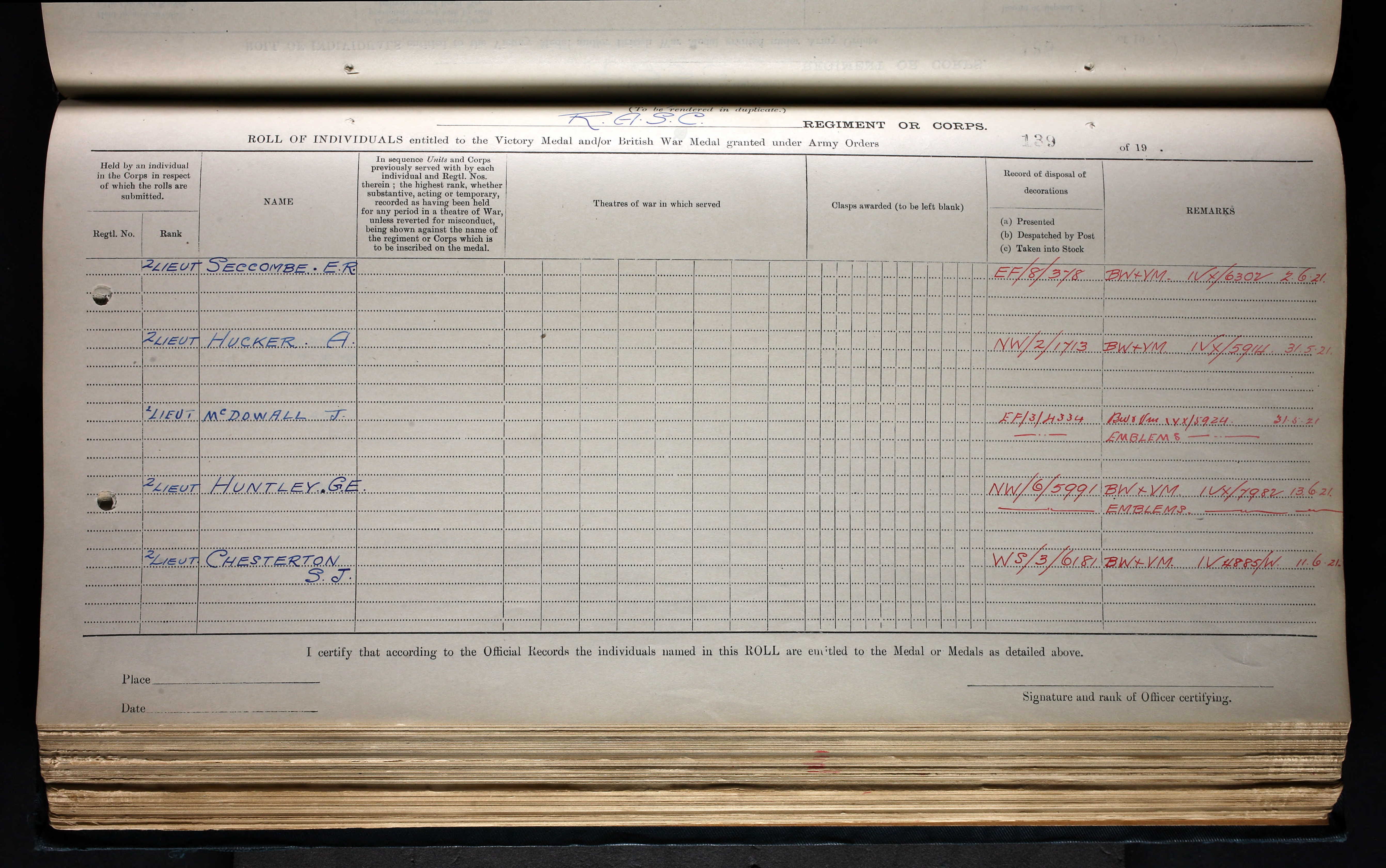
In this document, he is Second Lieutenant G. E. Huntley
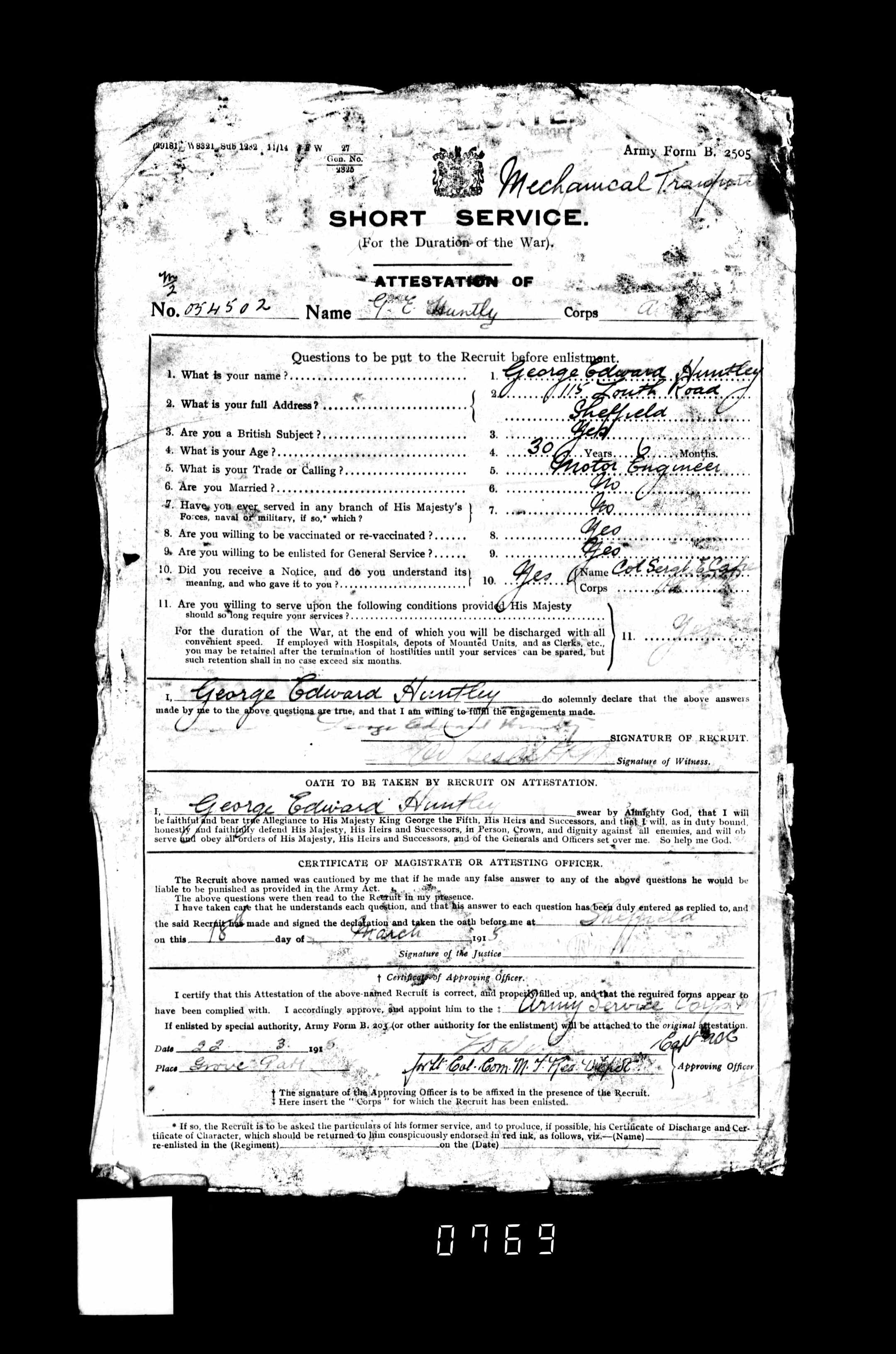
Finally, his full name George Edward Huntley
His medal index card and two addresses in Sheffield
A match with the WW2 service number stated in my great-aunt’s note

I paid a researcher to look into his service record, who discovered the following information (in italics).

The Western Front 1914 – 16

George enlisted under a short-service (duration of war) engagement in the Army Service Corps (Mechanical Branch) at Sheffield on 18/03/1915. He was issued with the regimental number M2/054502 – the ‘M2’ prefix denoting the Mechanical Transport Branch, and the ‘0’ at the front of his number denoted a short-service/duration of war engagement.

George is posted initially to Grove Park, the Depot of the Mechanical Transport Branch, where he is given military and trade training. He is promoted to Corporal on being posted to 10th Motor Ambulance Convoy (359th Company) Army Service Corps on 07/06/1915 and on the same date (probably to fill a vacancy of formation of the unit) he is promoted to Sergeant. The 10th Motor Ambulance Convoy embarked for France from Southampton on 06/07/1915 and landed in France the next day from the ‘Princess Victoria’ before they proceeded to Rouen. The diary for the unit is in WO 95-496-3.

The history and purpose of Motorised Ambulance Convoys are described in more detail in a very informative website called “the Long, Long Trail“. It describes the formation of these convoys as follows.

The convoy would consist of a total of 50 motor ambulance cars, 3 lorries, 2 motor cars and 1 motor cycle with the following personnel.

  • “A”, or Headquarters, Section would have 20 motor ambulance cars, 1 lorry for mechanical transport stores, 1 lorry for first aid, 1 lorry for general supplies, 1 motor car for the commanding officer and 1 motor car for the Army Service Corps officer
  • “B Section would have 15 motor ambulance cars and 1 motor cycle for RAMC officer
  • “C” Section would have 15 motor ambulance cars

George was appointed as a Mechanical Staff Sergeant on 26/09/1915, which suggests that he was in charge of the maintenance and repair section of the Company. By 29/09/1915, he was appointed as the Acting Company Sergeant Major of the 10th Motor Ambulance Convoy. His promotion to this rank was later confirmed with the same seniority date. He was mentioned in dispatches in the London Gazette of 04/01/1917 for his actions during the Somme operations in 1916. At that time, he had returned to the UK, arriving on 01/01/1917 according to his papers.

George seems to have had some participation in the German Spring Offensive in late March and April of 1918 but there are no specific details about this. He was back in France on about 10/1/18. He is promoted to Lieutenant on 01/12/1918 and Acting Captain on 10/05/1919 before returning to the UK for discharge to the Reserve of Officers on 15/02/1920.

The War Diary for the period of the Somme offensive is very informative. The officer writing the diary was Captain William Wallace Boyce and he describes the duties of the convoy in detail, which was attached to the XIII Corps holding the southern flank of the British line.

The unit consisted of 20 Studebaker, 15 Daimler, and 15 Siddely Deasy ambulances. The ambulances were converted for the purpose. There were four officers’ cars consisting of one Sunbeam and three Vauxhall cars. There was a Daimler lorry and three Peerless lorries. There were also seven B.S.G. motorcycles. Eight officers and 147 men formed the 10th MAC.

The Siddely-Deasy cars were difficult to handle when the roads were at all slippy. By 26th July the convoy had made its way from Rouen approximately 250 km northeast to the front at Aire-sur-la-Lys where they began work. This was the headquarters of the First Army from 26th June that year that was involved in attacks on the Western Front between May and September in the Loos and Festubert areas. They remained in the area until 19th September when they relocated further along the front lines to the south-east near Corbie-sur-Somme.

By the beginning of December 1915 they were at Proven in Flanders and a Major J. F. Crombie had taken over command. On 18th December 1915 command was again transferred to a Captain Jones and then back to Major Crombie on 30th December. Captain Boyce was back in command on 1st January 1916. I wonder if he had taken a month’s sick leave. The new year sees the unit deployed in the Somme.

The stabilised front 1915-16. From Wikipedia https://en.wikipedia.org/w/index.php?title=File:Western_front_1915-16.jpg

The Siddely-Deasy cars almost immediately began to overheat. The solution was to alter the vanes on the flywheels to allow a better draft of air. The carburettor jets were also altered to conserve fuel. The Daimler cars “gave great trouble through gear slippage,” and ” … also break ball races constantly” (Captain W. W. Boyce). Spare parts were in short supply such as gear wheels and replacement tyres. It is likely that my grandfather would have been supervising this work.

Entry for 16th July 1915.

An important task on arrival at a new headquarters was the establishing of suitable accommodation. This included digging latrines. They used the petrol tins for this purpose. I presume that they must have been large and more like drums than tins.

Entry for 12th August 1915.

It was dangerous work to drive without lights at night.

Entry for 14th October 1915.

For the first three months of 1916, they were at St. Ouen but by April, they were at Corbie-sur-Somme.

On 1st July 1916 the British attacked at the Somme. The 10th Motorised Ambulance Convoy was in support of the XIII Army extracting dead, sick and wounded from the Main Dressing Stations near the front line.

  • add explanation on how men were transported back from the front lines.
The front line of the Somme July 1916.

Here is the entry for 1st July 1916, the first day of the offensive. Many of the entries describe the number of journeys made, mileage, patients carried and other statistics. In this entry, it is reported that ambulances were transporting wounded and sick from the Main Dressing Stations (MDS) at Dive Copse, about ten miles behind the lines, to Casualty Clearing Stations (CCS) at Corbie, about 6 miles further back. There are constant complaints about the appalling state of the roads, lack of food for the men, the constant changing of personnel, and shortage of accommodation for the drivers.
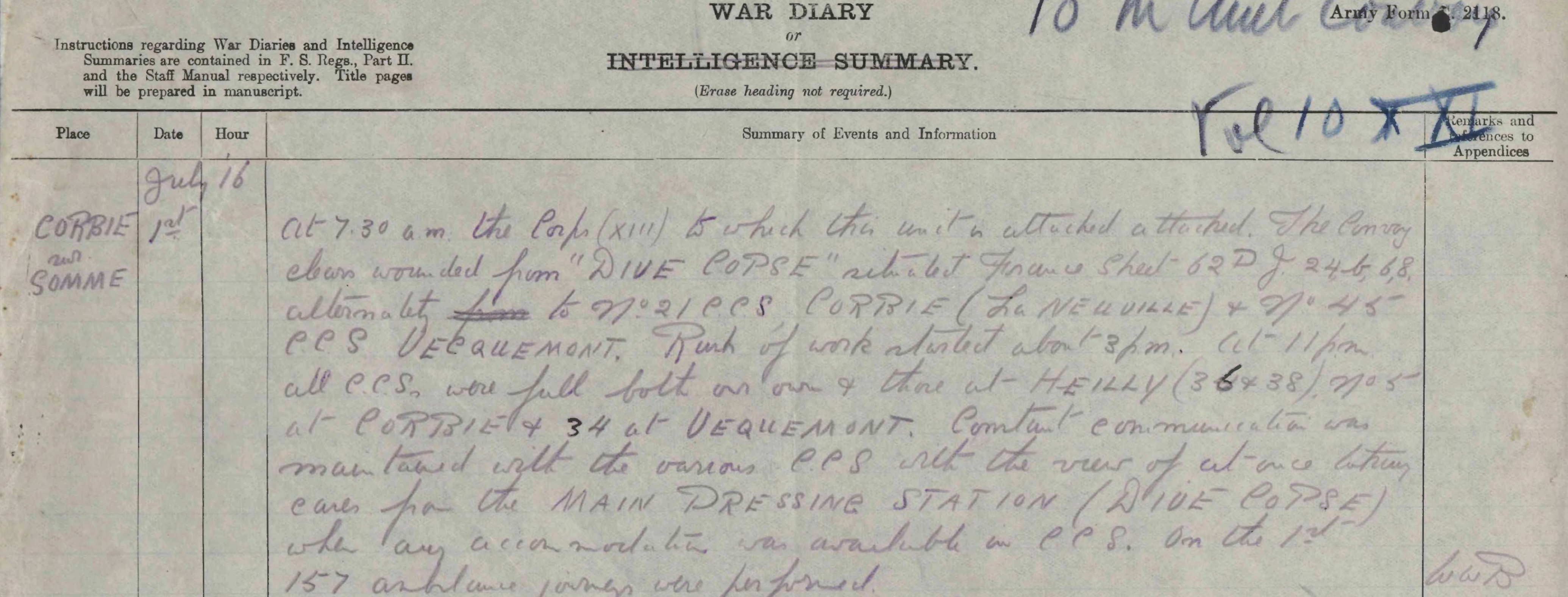
Extract from War Diary WO-95-496-3 1st July 1916.

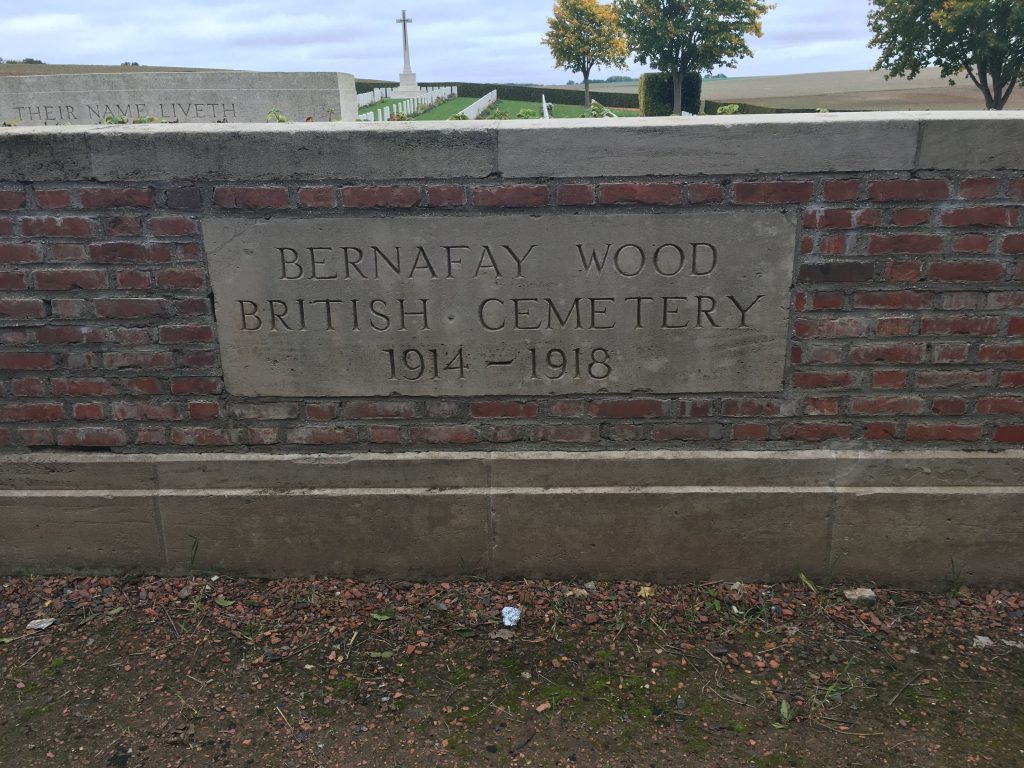
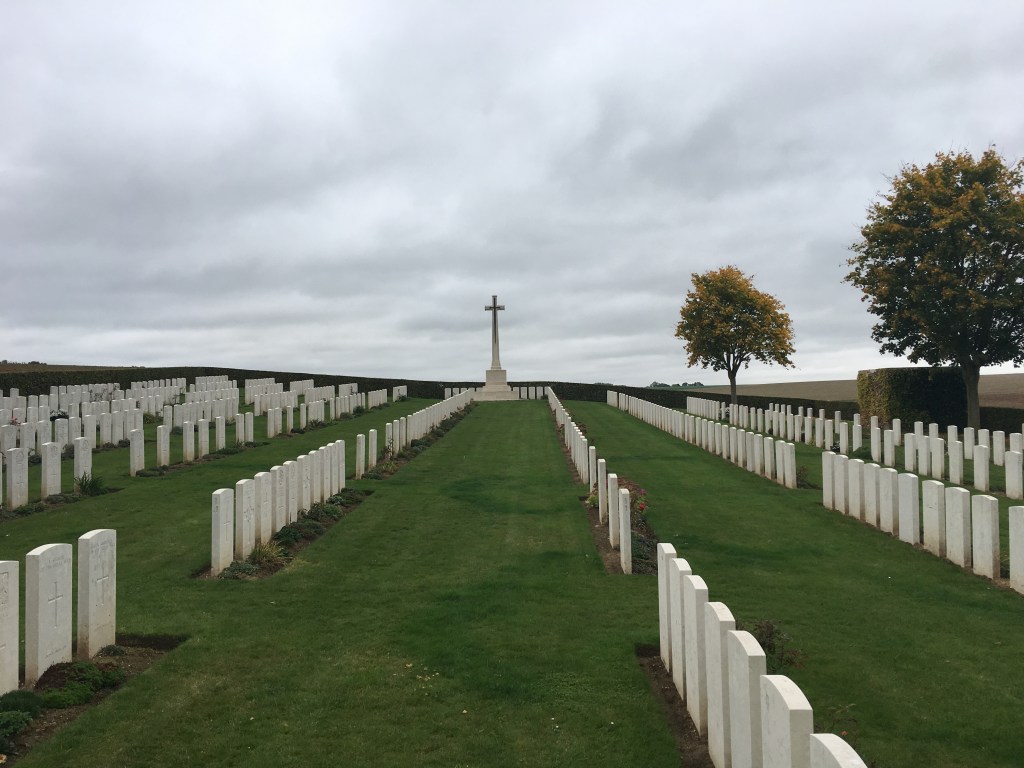
In October 2017, I visited France with my son and a friend on a day trip. We visited the British cemetery at Bernafay Wood which is mentioned in the war diaries for the first time on 8th August 1916. There was an Advanced Dressing Station (ADS) here.
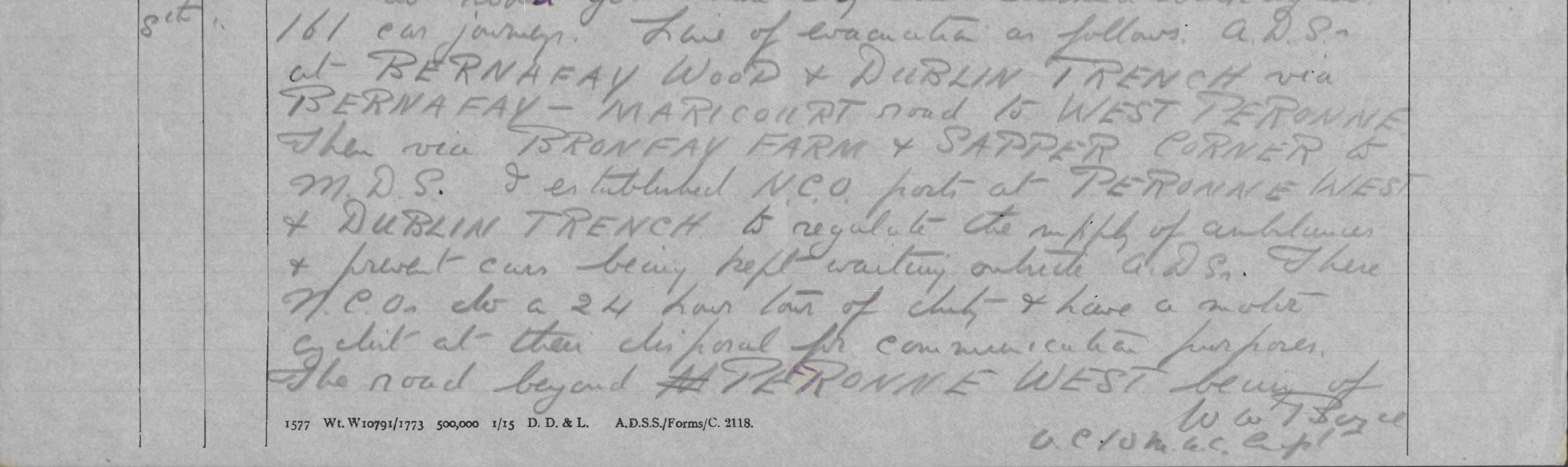
Description of the line of evacuation from the ADS at Bernafay Wood written 8th August 1916 by Captain W. W. Boyce.

According to a memorial sign at the cemetary:

“On I July 1916, British soldiers captured the German defences around Montauban, and over the following days patrols pushed towards Bernafay Wood. On 3rd July, men of the 9th (Scottish Division were able to occupy Bernafay Wood but found the neighbouring Trônes Wood still heavily defended.

A dressing station was established here, and Bernafay Wood became a base for British units fighting for nearby woods and villages. Soldiers and medical staff began to bury their fallen comrades here in August 1916, and by the Armistice over 280 men had been laid to rest in this cemetery. It was later expanded with over 650 graves brought here from the surrounding battlefields and other small cemeteries.

This is now the final resting place of over 940 servicemen, of whom over 415 remain unidentified. The cemetery was designed by Arthur James Scott Hutton, who served with the Royal Engineers during the war, and Sir Herbert Baker.”
The Second World War

The text in italics was written for me by a researcher.

George was remobilised on 31/08/1939 at the onset of WWII, and his career is as follows from that point:-

31/08/1939 – Joined at Regent’s Park Barracks as an Impression Officer (Lieutenant) and was given the acting rank of Captain.

09/11/1939 – Posted to No.2 Motor Transport Depot at Slough in the role of a Draft Conducting Officer. The officers were employed to ‘escort’ drafts of other ranks from the Training Depot to the ports for embarkation on the basis that they could not be trusted to get from A to B by themselves!

01/12/1939 – Appointed Temporary Captain after holding an acting rank for 90 days.

12/12/1940 – Reverts to Lieutenant upon being posted to the 29th Station Transport Company in Shropshire. Note that this is the same address mentioned in my great-aunt’s note and corresponds to the period when my grandmother became pregnant with my mother. It is worth mentioning that my grandmother’s mother came from Hereford, which is located in the neighbouring county of Gloucestershire.

28/12/1940 – Posted to a War Office Post at Benhall Farm, Gloucester Road at Cheltenham for temporary duties as a Transport Officer.

08/02/1941 – Posted to No.3 Training Brigade & posted to No.8 Training Battalion. 

18/02/1941 – Posted to Royal Army Service Corps, Cambridge District as a Liaison Officer. 

15/07/1941 – Posted to Anti-Aircraft Command as a Workshop Officer, starting at 182nd Company RASC at Eccles. 

15/08/1941 – Posted to 904th A-A Company, part of 2nd A-A Division at Eccles. 

10/09/1941 – Posted to attached station of 1st Holding Battalion (at Worthing) whilst he is on the ‘Y’ List – this is the code used for men who were sick and not fit for duty. This was a few weeks after the death of my grandmother, so he may have heard the news.

23/09/1941 – Discharged from General Hospital at Llandudno and joins 1st Holding Battalion after sick leave. He had been medically down-graded for Grade ‘B’ Garrison duties only. I discovered that his son was born on 27/1/42 in Conwy, a mere four miles from Llandudno, so is consistent with him being there.

18/11/1941 – Posted to Anti-Aircraft Command at Stanmore to await allocation. He is then posted to 930th A-A Company at Pontefract with effect the same day. 

06/12/1941 – Posted to 192nd A-A Company at Edinburgh. 

26/03/1942 – Posted to 1st Holding Battalion at Worthing having been classified as medically unfit. 

07/05/1942 – Relegated to ‘Unemployed’ and put into the Reserve of Officers. 

21/08/1948 – Having reached the age limit for his rank, George relinquishes his rank and is given the honorary rank of Captain (LG 20/08/1948). 

Family

My mother was delighted to have discovered the identity of her father. The unfortunate news was that he had passed away in 1981, so my mother never had the chance to meet him.

Details discovered in the public records confirmed what my mother had been told: that he was a married man at the time my mother was born. However, my mother’s aunt had lied and said that he had died in the war. This was not true.

In late 1939, he was posted to Slough, a town to the west of London, as a Draft Conducting Officer, and this is presumably where he met my grandmother. She was born in Slough, and her sister Ada lived there at the time. His war records put him in Worthing in September 1941, about a month after the death of my grandmother.

He married Betty B. Graham on 25th February 1941, six months after the death of my grandmother. They had two sons, George Edward Gordon Huntley and John Peter Julian Huntley. They divorced in late 1947. The divorce proceedings were publicised in a local Sheffield newspaper and were very acrimonious. George Huntley alleged that his wife was having an affair. She wasn’t the only one.

Reporting of the divorce proceedings in a Sheffield newspaper in late 1947
This may be where the school was based. It seems the most likely location and is near Barker’s Pool in central Sheffield.
A letter from G E Huntley to a local Sheffield newspaper
He was the local representative for the sale of various kinds of car and lorry.

In later life, he emigrated to Australia and settled in Blairgowrie, Victoria with his second wife Helen Marion Graves Hay. One of his sons lives in Queensland, and the other is still living in the UK. I wrote to both of them in 2018 but never received a reply. I tried to contact the family of his second wife but again received no reply. I can only imagine that it would be strange to be contacted by the grandchildren of a relative so long after his death. Nevertheless, I would have liked to know more about him and perhaps see some photographs of him in his later years. I searched the local newspapers around Melbourne for any articles including an obituary but came up blank.

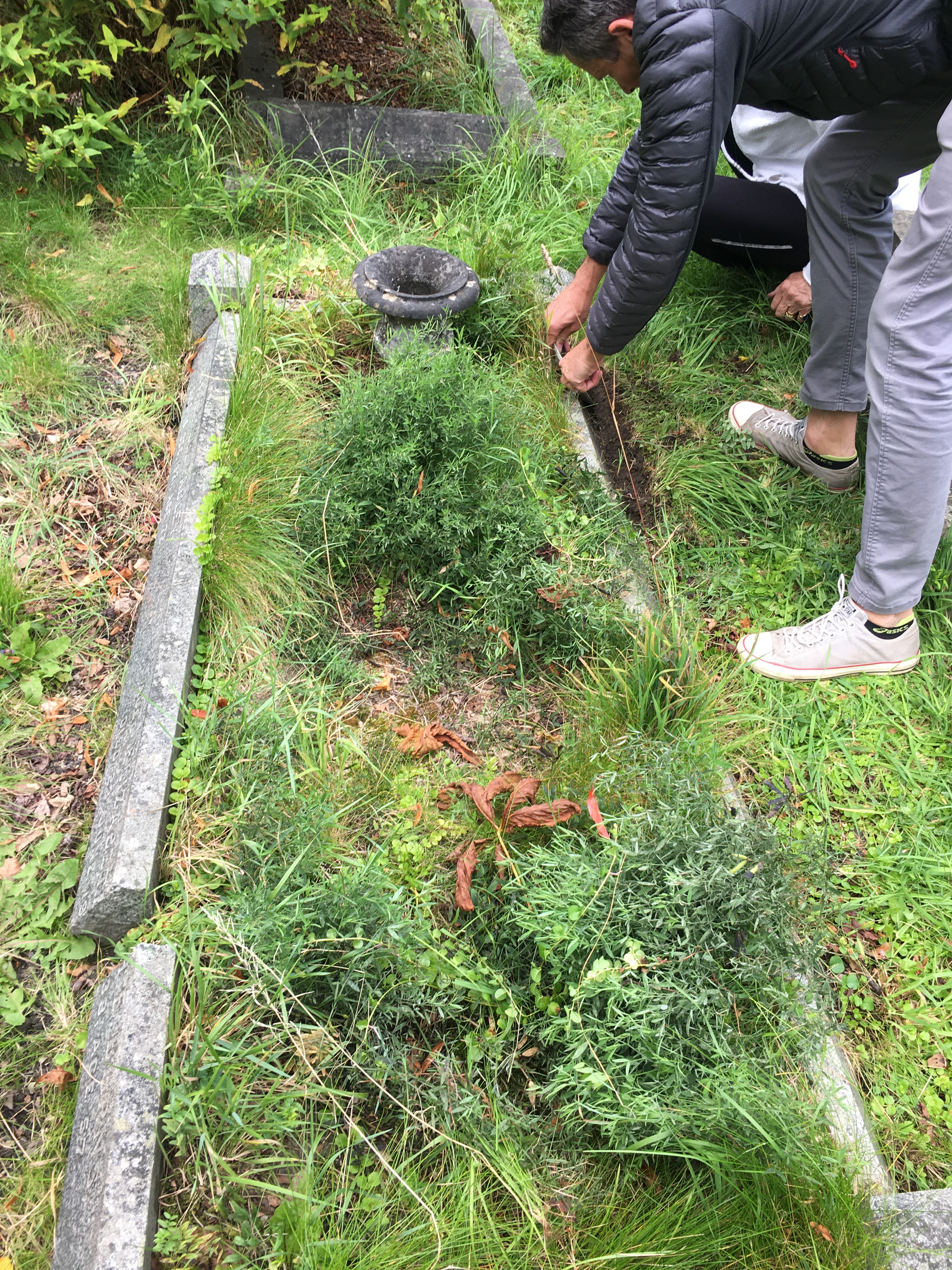
In August this year (2023) I visited Sheffield with my brother and mother. I managed to find the grave of George’s parents Kossuth Huntley and Mary Jane Padley. They are buried at All Saints Church, Ecclesall in the same grave as one of his uncles and his sister. As you can see, it is badly neglected. I wondered when the last time was that George visited the grave.
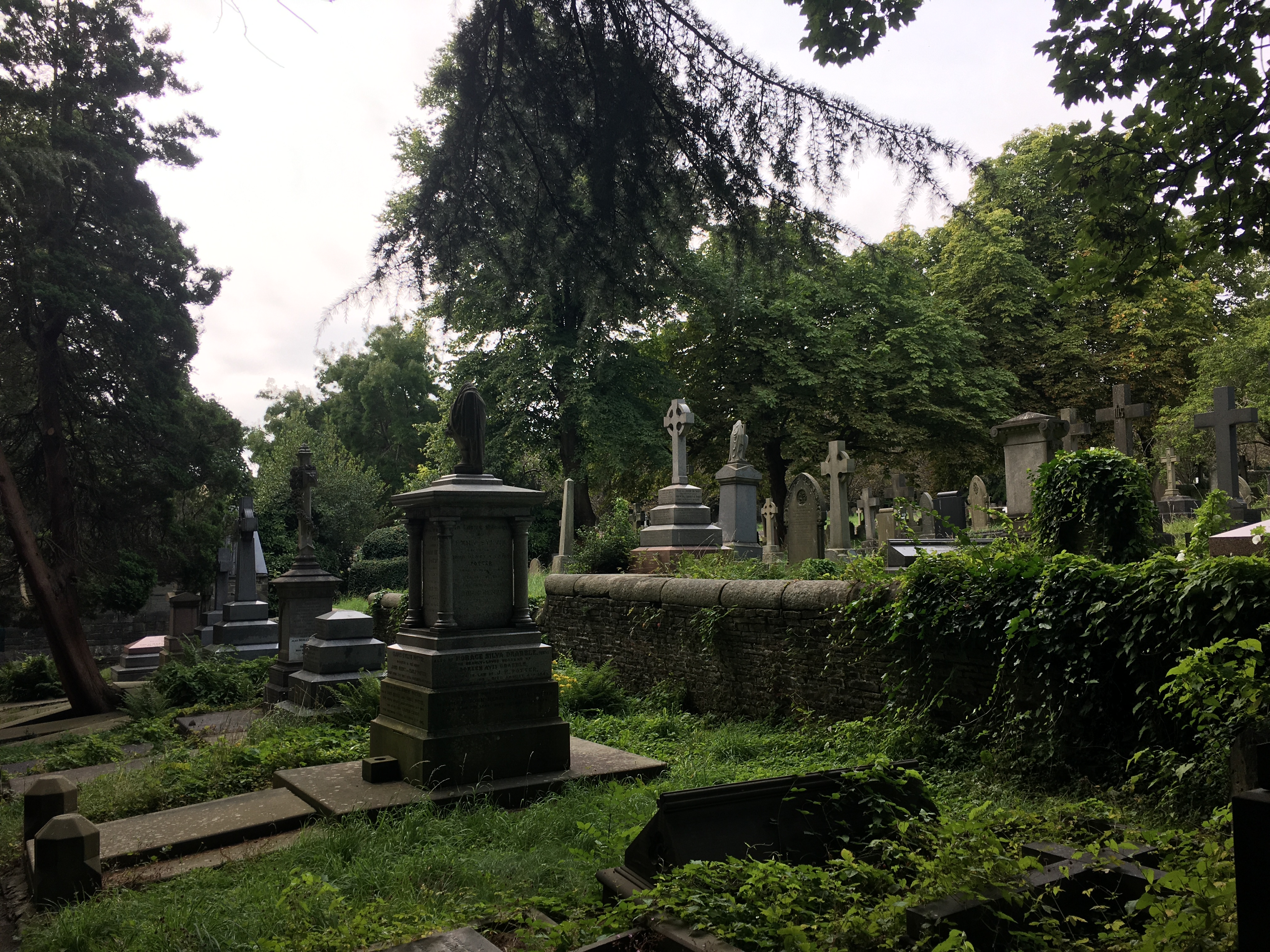
Questions that may never be answered are: What illness was he suffering from in 1941? Did he know that Harriet was pregnant with my mother? Why did he transfer to the Worthing area after her death? Had he been seeking contact with his newborn child perhaps? I think it is worth checking to see if his wife Betty was also in the area or had relatives in that area at that time.

What did he do at the Somme in 1916 to be mentioned in despatches?

Did he meet Helen Marion Graves Hay through his duties in the 2nd World War? When did he move to Australia, and did he have Australian citizenship on his death in 1981? He lived to be 97 years old. Perhaps I could write to a local Melbourne paper and see if they would be interested in writing a brief article.

I’ve researched a few of his cousins and their descendants, in particular, a first cousin who emigrated to San Francisco and became a journalist, and four brothers who moved to Alberta, amongst others. It has been a fascinating journey.
Finding my grandfather

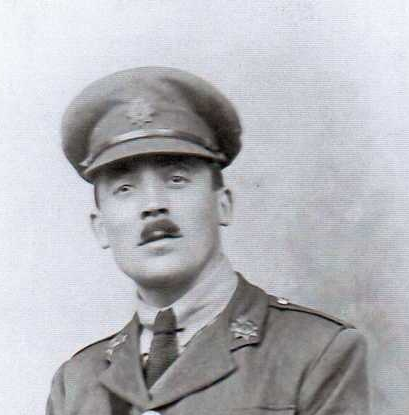
George E Huntley in his Colour Sergeant’s uniform of the RASC, circa 1915.

My mother never knew her father. She was brought up by her aunt Edith, after her mother died in childbirth. Her aunts would not discuss her father’s identity. However, when Edith died in 1967, my mother found a clue amongst her possessions in the form of two scraps of paper, photos of which are shown below.

His name was Captain George E. Huntley and his army number was given as P/80355. I searched for all the George E. Huntleys and the only sign I could find was of a Sgt G. E. Huntley in the Great War. Could this possibly be my grandfather?

Evidence of a Sgt G. E. Huntley in the First World War
In this document, he is Second Lieutenant G. E. Huntley
Finally, his full name George Edward Huntley
His medal index card and two addresses
A match with the WW2 service number stated in my great-aunt’s note

I paid a researcher to look into his service record who discovered the following information.

 George enlisted under a short service (duration of war) engagement to the Army Service Corps (Mechanical Branch) at Sheffield on 18/03/1915. He was issued with the Regimental number M2/054502 – the ‘M2’ prefix denoting the Mechanical Transport Branch and the ‘0’ at the front of his number denoted a short service/duration of war engagement. 

George is posted initially to Grove Park, the Depot of the Mechanical Transport Branch, where he is given military and trade training. He is promoted to Corporal on being posted to 10th Motor Ambulance Convoy (359th Company) Army Service Corps on 07/06/1915 and on the same date (probably to fill a vacancy of formation of the unit) he is promoted to Sergeant. The 10th Motor Ambulance Convoy embarked for France from Southampton on 06/07/1915 and landed in France the next day from the ‘Princess Victoria’ before they proceeded to Rouen. The diary for the unit is in WO 95-496-3.

George is appointed as Mechanical Staff Sergeant on 26/09/1915 which suggests he was heading up the maintenance & repair section of the Company. By 29/09/1915 he is appointed as the Acting Company Sergeant Major of 10th Motor Ambulance Convoy, his substantive promotion to this rank is later confirmed with the same seniority date. He is mentioned in despatches in the London Gazette of 04/01/1917 for his actions during the Somme operations in 1916 at which time he has proceeded back to the UK, arriving on 01/01/1917 according to his papers. 

George seems to have had some participation in the German Spring Offensive in late March and April of 1918 but there are no specific details about this. He is promoted to Lieutenant on 01/12/1918 and Acting Captain on 10/05/1919 before returning to the UK for discharge to the Reserve of Officers on 15/02/1920. 

George is re-mobilized on 31/08/1939 at the onset of WW2 and his career is as follows from that point:- 

31/08/1939 – Joined at Regent’s Park Barracks as an Impressment Officer (Lieutenant) and is given the Acting rank of Captain. 

09/11/1939 – Posted to No.2 Motor Transport Depot at Slough in the role of a Draft Conducting Officer. The officers were employed to ‘escort’ drafts of other ranks from the Training Depot to the ports for embarkation on the basis that they could not be trusted to get from A to B by themselves! This is almost 9 months to the day before the birth of my mother. A perfect match.

01/12/1939 – Appointed Temporary Captain after holding an acting rank for 90 days. 

12/12/1940 – Reverts to Lieutenant on being posted to 29th Station Transport Company, Shropshire. Note that this is the same address given in my great-aunt’s note and coincides with the time when my grandmother became pregnant with my mother. My grandmother’s mother came from Hereford which is in the adjoining county of Gloucestershire.

28/12/1940 – Posted to a War Office Post at Benhall Farm, Gloucester Road at Cheltenham for temporary duties as a Transport Officer. 

08/02/1941 – Posted to No.3 Training Brigade & posted to No.8 Training Battalion. 

18/02/1941 – Posted to Royal Army Service Corps, Cambridge District as a Liaison Officer. 

15/07/1941 – Posted to Anti-Aircraft Command as a Workshop Officer, starting at 182nd Company RASC at Eccles. 

15/08/1941 – Posted to 904th A-A Company, part of 2nd A-A Division at Eccles. 

10/09/1941 – Posted to attached station of 1st Holding Battalion (at Worthing) whilst he is on the ‘Y’ List – this is the code used for men who were sick and not fit for duty. This was a few weeks after the death of my grandmother, so he may have heard the news.

23/09/1941 – Discharged from General Hospital at Llandudno and joins 1st Holding Battalion after sick leave. He had been medically down-graded for Grade ‘B’ Garrison duties only. I discovered that his son was born on 27/1/42 in Conwy, a mere four miles from Llandudno, so is consistent with him being there.

18/11/1941 – Posted to Anti-Aircraft Command at Stanmore to await allocation. He is then posted to 930th A-A Company at Pontefract with effect the same day. 

06/12/1941 – Posted to 192nd A-A Company at Edinburgh. 

26/03/1942 – Posted to 1st Holding Battalion at Worthing having been classified as medically unfit. 

07/05/1942 – Relegated to ‘Unemployed’ and put into the Reserve of Officers. 

21/08/1948 – Having reached the age limit for their rank, George relinquishes his rank and is given the honorary rank of Captain (LG 20/08/1948). 

My mother was delighted to have found the identity of her father. The sad news was that I then discovered that he had died in 1981 so my mother would have had the opportunity to have met her father.

Details discovered in the public records confirmed what my mother had been told, that he was a married man at the time my mother was born however my mother’s aunt had lied and said that he had died in the war, meaning the second world war. This was not true.

He was born in Sheffield in 1884 to a middle class family and went to university to study engineering. He worked as a consulting engineer for Sheffield City Council at some point and was also a representative for sales of lorries and cars at a Sheffield garage after the First World War. He contributed regularly to the letters pages of local newspapers of the time.

In 2018, I finally took the Ancestry DNA test which confirmed that I and George Huntley have common ancestors. The person who kept popping up as a common ancestor is my two-times great grandmother Susannah Offer, born in 1814 in Swindon, Wiltshire. I made contact with Canadian cousins as a result of this. Susannah’s daughter Julia (George’s aunt) married a Frederick Nash. They had four sons, Albert, Norton, Frank and Julien, who migrated to Canada. Many of their descendants, my cousins, live there today and I have managed to contact some of them.

Susannah Offer

Julien Nash, my grandfather’s cousin, was a pioneer Mountie in Alberta having joined the service in 1908. I found a fascinating obituary. Finding my grandfather has opened up so much more that I had expected.

Julien Nash

I located George’s two sons, both in their seventies. One is living in Suffolk and the other in Australia. Neither replied, which disappointed me. If someone contacted me with irrefutable evidence that they were the child of my long lost half-sister, I’d be interested to know more.

My brother settled in British Columbia in 1996 and had no idea that his third cousins were living in the same and neighbouring provinces of Canada.

TBC

Manor Field Primary School

In 1973, I started at Manor Field Primary School, which is in Burgess Hill, a rapidly expanding town in mid-Sussex. My family had moved there from neighbouring Lindfield and my mother and step-father had just bought their first house. My mother had married her second husband Colin the same year. I joined the infants department aged 6 years old. I have few memories of this year but I do recall being lead by my mother on my first day to the school office. I was six years old. A year later, I joined the junior school where my first form teacher was a Mrs Randal. She was probably in her sixties at the time. She told us once that we should always look at the world around us because even on the most mundane day, there should be interesting things to see. She was talking about being observant and studying the world around us. Someone had taught me some basic yoga and I remember sitting in a cross-legged position with both feet up on my thighs. I was showing off but I was always finding ways to get the teacher’s attention. I suppose I was bored.

I had a friend called Nigel who was always getting into trouble. I don’t know why I did this but one day, I scratched his name on a desk and went and told the teacher that he had done it. The readiness for her to believe me was surprising.

I remember that one thing we used to get up to was climb up into the roof space of one of the old buildings during playtime. That was near the main playground. Ice would form on the playground in the winter but we were not allowed to skate on it. I remember athletics on the sports field and a pair of big trees that grew close to the entrance to them. Other memories are of playing stool-ball on the recreation ground and fire practice with a hand wound fire alarm. 

In the second year, our form teacher was a Mrs Maize and Mr Simpson. We were a large class hence the two teachers. I remember cookery lessons in the second year (we had to wait for our turn as there was only a small room and a big class of us). When it was my turn, I was disappointed that it did not involve any cooking. We made a sweet out of condensed milk and coconut. It was coloured with food colouring and cut into little squares.

In the second year, I remember one afternoon asking to use the toilet. I needed to do a number two. The teacher told me to wait and I was too shy to ask again. I soiled myself and after school, my mother and step-father picked me up and we went on a drive to collect meat from a butcher they always went to. My mother noticed the smell and I recall her then saying that perhaps it was the smell of the meat. After we got home, I then owned up to it, much to my embarrassment and had to clean myself up in the bathroom.

Then in the third year, we had a very kind teacher called Alan Barker and a Mr Lee as well as a Mr Souter from Scotland. Mr Barker was a kindly teacher, who must have been in his late fifties at the time. I saw a mention of him on the Friends Reunited website maybe ten years ago so he was still alive then. He played the piano and took us for music lessons. I remember him commenting that I did not stammer when I was singing. Mr Souter devised a punishment for us involving sitting against the wall in a seated position without a chair. We must have been a noisy class. We also had a retired teacher for a bit – a Mr Gumble, who told us his wartime stories. He talked about the food they used to get in the army. Apparently, they used to get steak so often that he got fed up with it.

In the final year, we had Mrs Watson who told us that she had taught in Botswana. Mrs Watson, quite a young teacher, took an interest in my welfare when, in 1978, I was about to move to live with my dad. She asked if I was sure that was what I wanted. As it turns out, I wish that I had listened to her.

We had a field trip to a farm out Hassocks way in the third or fourth year.  At that time, there was a row of prefab classroom running along the side next to the park. School dinners cost 12 1/2 p. The headmaster at that time was a Mr Coward. I can’t recall seeing him much around the school though. Other names I remember are a Mrs Cole, a very strict playground monitor, Mrs Davies , and Mrs Poland who taught French. I remember studying French in the third year.

My memories are mostly happy though I do remember being bullied by one teacher, Mr Lee, who would pick on me with a comment about a TV advert of the time to make the class laugh at my expense, since I was shy and withdrawn. I also recall being shoved violently by him when asking him a question. A comment he made to my mother at a parents evening was “At first, I thought Alan was backward but then I realised that he is very intelligent.”

Assemblies then still involved singing hymns – such as “Morning has Broken” and others. We used to have sports days out in the big field at the back of the school. There was a pair of tall trees – growing side by side close to the entrance to the field. The fire alarm was a hand-wound bell. Assemblies were held in the large hall near Junction Road by the Infants School. I think we probably only had them once or twice a week. I don’t remember there being assemblies taken by classes – they were generally assigned to a particular teacher to give.

Beketele

In 2004, I began working at Waterford Kamhlaba United World College in Swaziland. This is a school about five hours drive from Johannesburg set amongst the mountains of a small landlocked country the size of Wales. WK, as it is known, was the place that Nelson Mandela chose to have his children educated. As a United World College, it recruits its students worldwide and they come to Swaziland to take the IB Diploma, the international alternative to A-level. These students get academic scholarships and come from far and wide. It also recruits younger students for the lower school from nearer home. Most of the students aged 12 to 16 are from South Africa and neighbouring countries with a sizeable number coming from Ethiopia and some from Europe.

A large proportion of the students boarded. In fact, most of the IB students did as most of them came from outside Africa. I lived on campus which was outside the capital city Mbabane on a hillside. The weather was hot in summer and cold and misty in winter.

In 2006, I began fostering two boys aged 5 and 9 who had been living in the paediatric ward of Mbabane General Hospital. The younger child was there because he had been beaten round the head with a frying pan by his step-mother. The older child had been resident there for about two years and had serious health problems. There are over 100 000 orphans in Swaziland, and if you know anything about the health crisis in sub-Saharan Africa, you will know why. I’m not going to elaborate. The only place for these orphans is the street or some underfunded government institution. There are multiple Church run orphanages in the country, mainly funded by American evangelical churches. However, there are far too many orphans. There is no culture of adoption in Swaziland. People rely on an extended family network and orphans tend to be looked after by distant relations but usually in an exploitative relationship.

beketele
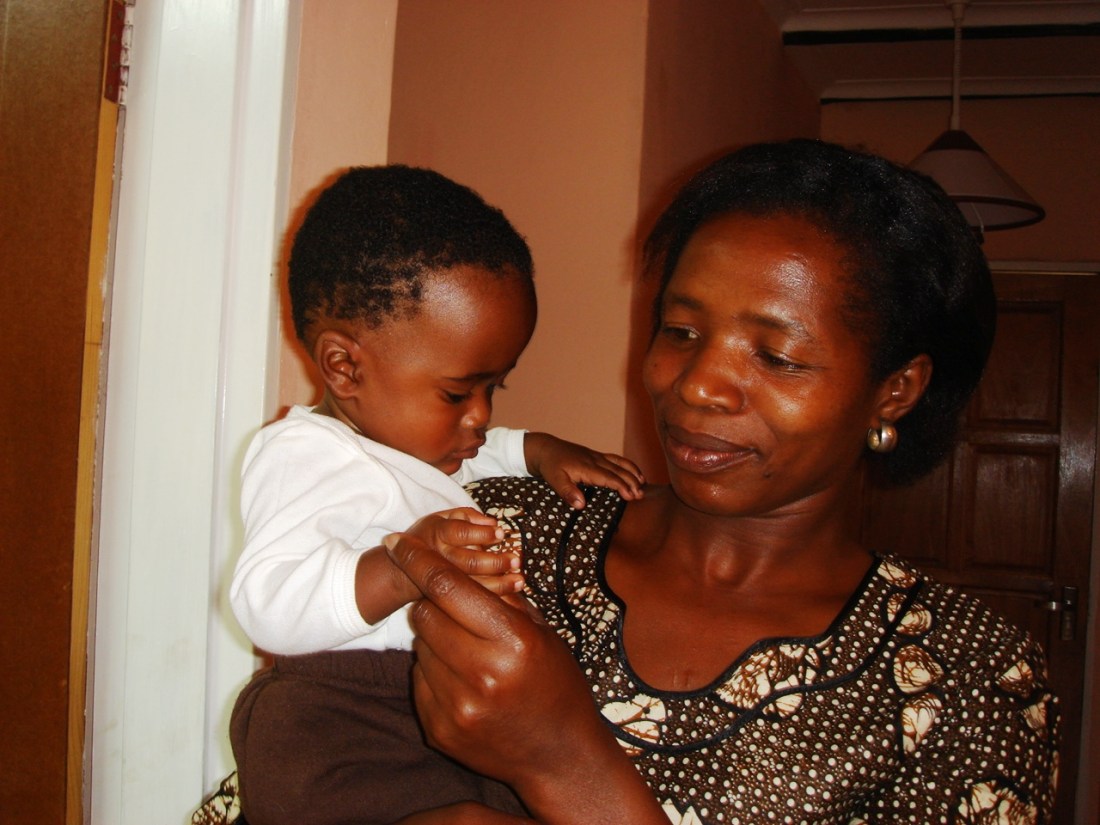
Beketele, Sakhile and Paddy on my veranda at WK

There was another teacher at the school who had adopted a baby so I knew that adoption was a possibility. I had been working with the school on a community service project at the hospital. I discuss the adoption in more detail in another post.

Beketele was a woman whom I employed to look after my two boys when I was teaching. She also cleaned the flat and did the washing. I paid her well compared to other teachers and I treated her well as she did a great job. There were some staff who underpaid their workers and that did not impress me.

After I left Swaziland, I lost touch with Beketele. I enjoyed the chats I had with her. I would ask her how to pronounce certain words and she would tell me about Swazi culture. I was sorry to lose touch with her when I left Swaziland in 2007. I returned on holiday in 2013 and tried to locate her, placing an advert in the Swazi Times. I then heard from the housekeeper at WK that she was living in South Africa. I never did find her but I hope life has treated her well.

British International School Bratislava

57580f4f5fed8f70b95e7a5ac96d7236_slovakia_l_7035

In 2007, I began teaching mathematics and physics at this school in Bratislava. My son Paddy began attending in year 4 although he was ten years old. He had missed out on many years of education in Swaziland and could not read or write. He had probably only had a year of schooling. I was impressed that the school had been prepared to take him on. We lived a short walk away from the school in the northern suburb of Dubravka.

The school was staffed by a mixture of British and Slovak teachers. It was increasing in popularity and had a new principal. I taught mostly mathematics. The physics I taught was to the 11-14 age group. I taught HL mathematics for the IB Diploma too. The salary was excellent. The students were from many different countries. One of the biggest groups was the Koreans. The parents worked for Kia cars or one of the other Korean manufacturers that had relocated to Slovakia. I taught children from the UK, France, Germany, Slovakia, Russia, Serbia, Spain, China, the United States, Japan, New Zealand, Ireland, amongst others. I like to think that I made the lessons entertaining. I liked to try different learning styles and avoided formal lesson planning like the plague.

I loved teaching physics to the young ones. They were very interested in science practicals and we had a lot of fun. I designed a website for Key Stage 3 Physics. We built electric motors and we had great success designing model houses to see who could make the design that kept the heat in the most. I never enjoyed teaching as much as I did at this school.

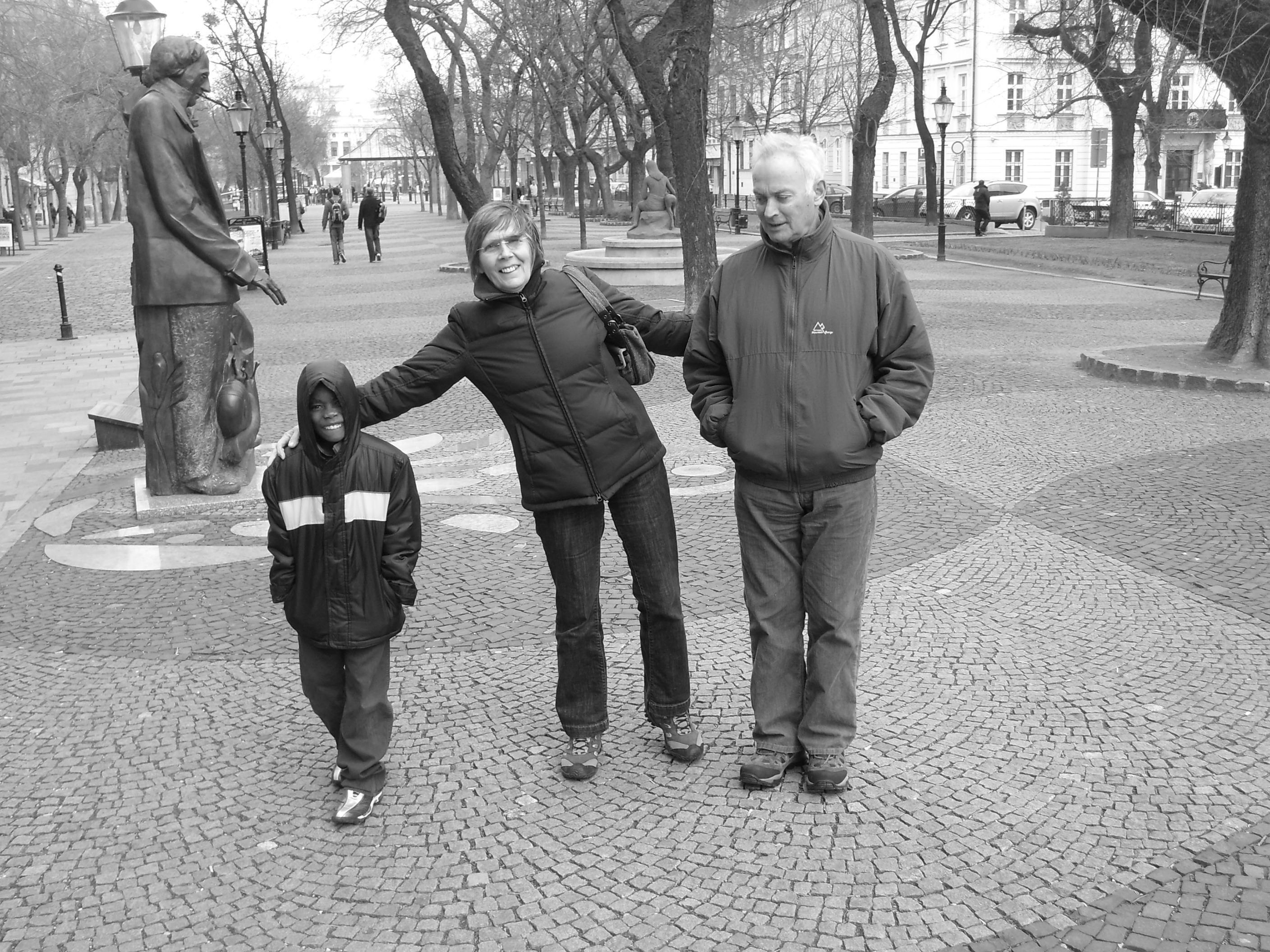
Paddy and grandparents in Bratislava

In 2008, I bought a house over the border in Hungary. The idea was to save money on rent and buy an affordable home in the countryside. It was a 45 minute drive to work in the morning and really not at all bad. The house was in the sleepy village of Halászi. In 2008, the border controls came down and Hungary joined the Schengen area though it seemed that the Slovak police took about a year to realise this. I lost track of the number of times we were stopped crossing the border. For a while, we took an alternative but parallel route back home because of this hassle at the border crossing. Another reason for moving to Hungary was the overt racism that my son had received in Bratislava on numerous occasions. One on a crowded tram, a young man began making a monkey impression at my son. It was clearly directed at him. I did not react because when I get angry, I can lose control. I don’t like to do this. On another occasion in 2008, we were in a small supermarket called Billa in Dubravka and I could tell that my son was upset. I urged him to tell me what had happened and he did not want to tell me. In the end, he told me that a woman had pushed him out of the way. He pointed her out to me and I let her have it. Then there were the looks that people gave us. You may say that it’s just a look but I called it ‘the look of disgust.’ People stared. It was just rude. Paddy liked to ride his bike and I would not allow him to ride ahead of me in the park because I was concerned about his safety. He had been called ‘nigger’ by some youths in a park once, with me within earshot. Of course, unless we were walking close together, people assumed that we did not know each other. We were required to go to the ‘foreign police’ once a year to have our resident permit renewed. When I went the first time, the policeman at the desk looked at my son and asked if he had a passport. I felt like saying ‘No, I smuggled him into the country in a suitcase.’ I never experienced problems like this in my three years living in a village in Hungary.

The school knew of the difficulties I had but chose to ignore them and offered no support to me. When you are constantly faced with these difficulties, it has a detrimental effect on your psyche. When my son Paddy got into trouble. the school was not interested in taking into account the difficult background he had. They made no exceptions for him. They were just concerned about how the other parents might react.

I don’t want you to think that we had a bad time in Slovakia. The school was a very safe place and great for my son to grow up with. There were many lovely Slovak staff there who really went out of their way to help.

This slideshow requires JavaScript.

Continue reading “British International School Bratislava”

Forgiveness

What does forgiveness mean? Can we forgive when the person who caused the pain refuses any responsibility or any balanced discussion?

We can’t change the past. Brooding on the past is unhealthy however a certain dispassionate understanding of it can help us move forward. It’s fair to say that I have done my fair share of brooding.

I think what I found difficult was that the need for a relationship with my father meant that the obvious option of cutting off contact was not properly considered. It was my father who ended up cutting off contact with me however I wish that I had made that decision myself. I nearly did on more than one occasion.

I had group therapy for three years between 1990 and 1993. I don’t think that I found this useful because in my case, I ended up figuring out my problems on my own. We mostly sat in a circle with two facilitators,  staring at each other.

I had a lot of anger towards my father and was very introverted even as a young man. I had poor social skills and found making friends difficult. I seemed to irritate people when I spent a lot of time with them and I found this upsetting. I found studying for my PhD stressful and I vacillated too much. My work suffered. The constant interference by my step-mother in my personal affairs upset me. When I stayed with my father and step-mother, I could overhear them discussing me in their bedroom as the room I used shared a bathroom.

By the time I was twenty-six,  I still had not been in a relationship. I came out as gay in 1993 and told my father and step-mother first.  Though I found her suffocating at times, I respected my step-mother and overlooked or ignored her overbearing side.  We were having supper after I had been taken to the theatre in Stratford-upon-Avon and I told them then. My father was reading the paper and he pretended that he hadn’t heard. My step-mother said ‘Alan, did you hear what your son said’. She said this so loudly that the whole restaurant heard. We sat up late (me and her, not my father who was clearly unimpressed) discussing it. I would have said at the time that she was happy for me. I wrote a letter to my brother Jack in South Africa. He later told me that it was the best letter he had ever received.

I asked my step-mother not to tell her sons until I had had the chance to do so. She broke this promise and told her eldest who called me at home in Oxford. He was genuinely happy for me and we had a long conversation. I thought that she was supportive.

A little while later, I forget exactly how long, my father was sitting at the table in the kitchen and he said to me,’Old chap,’ as he liked to say, ‘please refrain from sexual relations with your step-brothers.’ Well, I was gob-smacked and insulted. I went ballistic. ‘Please don’t get upset old chap!’ he pleaded. Well, what the fuck am I supposed to do. He had just suggested that because I am gay, I’m going to start shagging my step-brothers who were at that time twenty and twenty-two years old. It was clear to me now what the mutterings of my step-mother and father had been behind their bedroom door.

With this family, you are always an outsider and treated like crap if you let them. My eldest step-brother Nick used to leave Post-it notes on the kitchen notice board telling my dad to mow the lawn that weekend because his friends were coming down and wanted to play croquet. He was treated like a servant.