Beketele

In 2004, I began working at Waterford Kamhlaba United World College in Swaziland. This is a school about five hours drive from Johannesburg set amongst the mountains of a small landlocked country the size of Wales. WK, as it is known, was the place that Nelson Mandela chose to have his children educated. As a United World College, it recruits its students worldwide and they come to Swaziland to take the IB Diploma, the international alternative to A-level. These students get academic scholarships and come from far and wide. It also recruits younger students for the lower school from nearer home. Most of the students aged 12 to 16 are from South Africa and neighbouring countries with a sizeable number coming from Ethiopia and some from Europe.

A large proportion of the students boarded. In fact, most of the IB students did as most of them came from outside Africa. I lived on campus which was outside the capital city Mbabane on a hillside. The weather was hot in summer and cold and misty in winter.

In 2006, I began fostering two boys aged 5 and 9 who had been living in the paediatric ward of Mbabane General Hospital. The younger child was there because he had been beaten round the head with a frying pan by his step-mother. The older child had been resident there for about two years and had serious health problems. There are over 100 000 orphans in Swaziland, and if you know anything about the health crisis in sub-Saharan Africa, you will know why. I’m not going to elaborate. The only place for these orphans is the street or some underfunded government institution. There are multiple Church run orphanages in the country, mainly funded by American evangelical churches. However, there are far too many orphans. There is no culture of adoption in Swaziland. People rely on an extended family network and orphans tend to be looked after by distant relations but usually in an exploitative relationship.

beketele
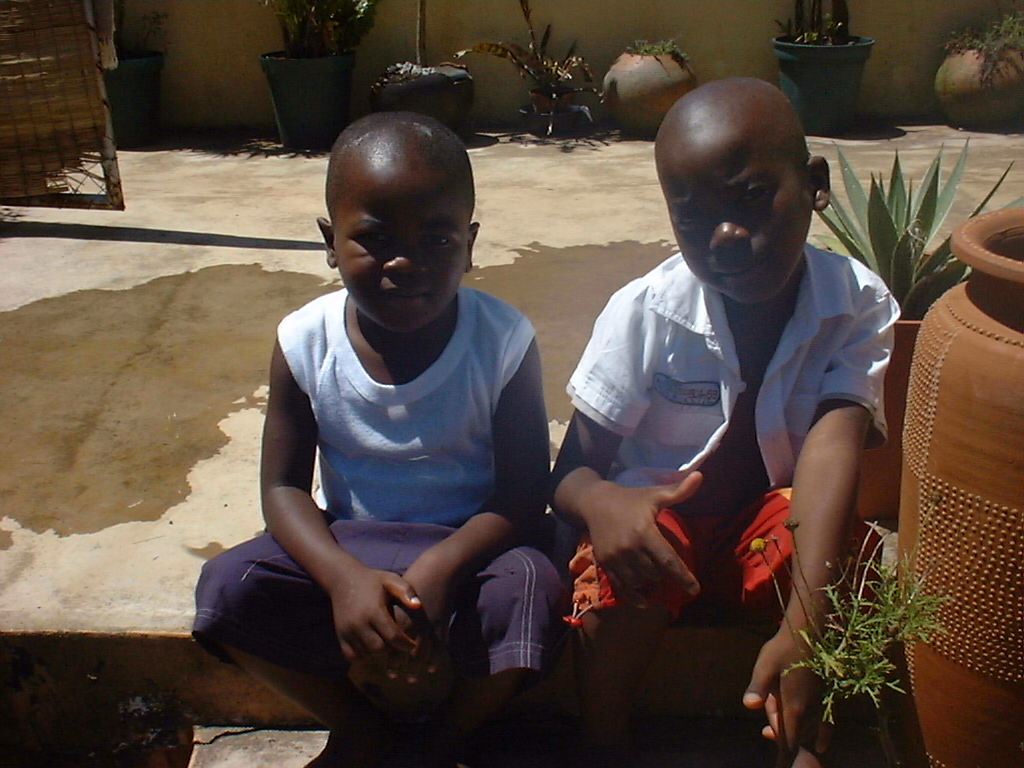
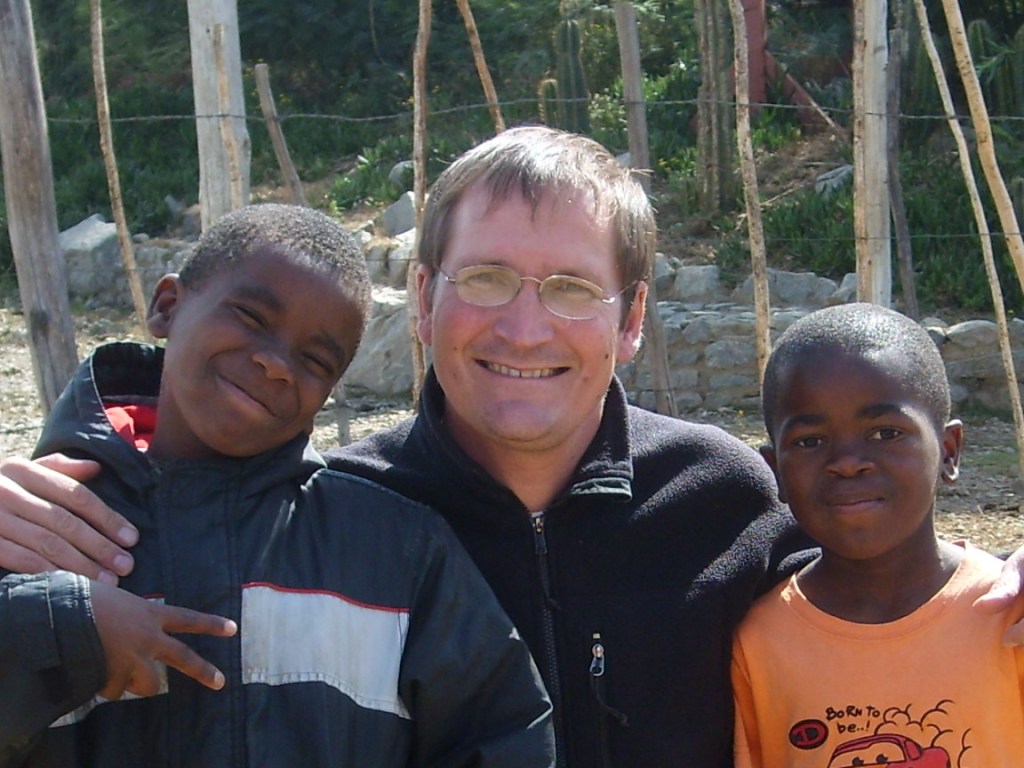
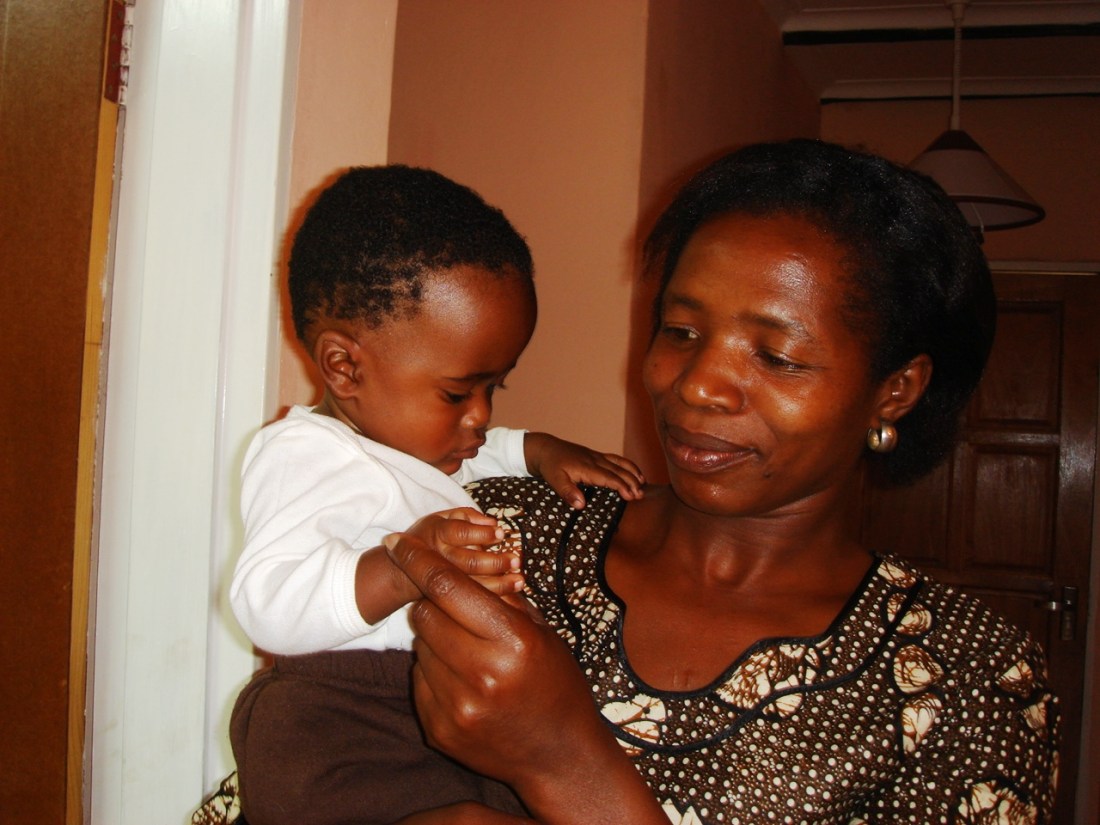
Beketele, Sakhile and Paddy on my veranda at WK

There was another teacher at the school who had adopted a baby so I knew that adoption was a possibility. I had been working with the school on a community service project at the hospital. I discuss the adoption in more detail in another post.

Beketele was a woman whom I employed to look after my two boys when I was teaching. She also cleaned the flat and did the washing. I paid her well compared to other teachers and I treated her well as she did a great job. There were some staff who underpaid their workers and that did not impress me.

After I left Swaziland, I lost touch with Beketele. I enjoyed the chats I had with her. I would ask her how to pronounce certain words and she would tell me about Swazi culture. I was sorry to lose touch with her when I left Swaziland in 2007. I returned on holiday in 2013 and tried to locate her, placing an advert in the Swazi Times. I then heard from the housekeeper at WK that she was living in South Africa. I never did find her but I hope life has treated her well.
Sponsoring Nhlanhla

In 2005, I was living and working in Swaziland. The boys from the neighbourhood used to tout for business cleaning cars at the school where I worked and so forth and it was this way that I met Thabo. I’m not using his real name because there is a lot of jealousy towards people who manage to advance themselves in Swaziland. At that time, he was fourteen years old and his family had not been able to afford his school fees. Consequently, he had been out of school for a year. I offered to meet his mother and discuss the possibility of paying for his school fees where he was already enrolled for the new school year due to start in September. So it was that he started form 1 at Mbabane Central High School that year. He progressed very well and was a keen student. He completed five forms and left school in 2010.

uniswa_banner_top_02

In 2011, he enrolled at the University of Swaziland to study for a business management and accounting degree. I pay for his accommodation and a living allowance. He is now in the final year of his studies. Most likely, he will continue in education for a year to study for a post-graduate qualification in education so that he will be able to get a job as a teacher if he cannot find a job in business.

Having sponsored him for over nine years, I have seen him grow in confidence and expand his horizons. He keeps in contact with me and is good friends with my son. He also helps my son keep in touch with his roots in Swaziland. My hope is that he will be able to start a business one day. I have probably spent in the region of £5000 so far in supporting him and if he leaves with a University degree and gets a job, it will be worth it. Hopefully, I will have contributed in some way to the development of the country.

Update January 2019

Nhlanhla at his graduation ceremony, 2015

In 2015, he graduated from university with a bachelor of commerce degree. He then got a job with Swazi Railways in May 2016, being one of only three selected for interview. He has recently been promoted.

My son’s adoption in Swaziland in 2006

Featured

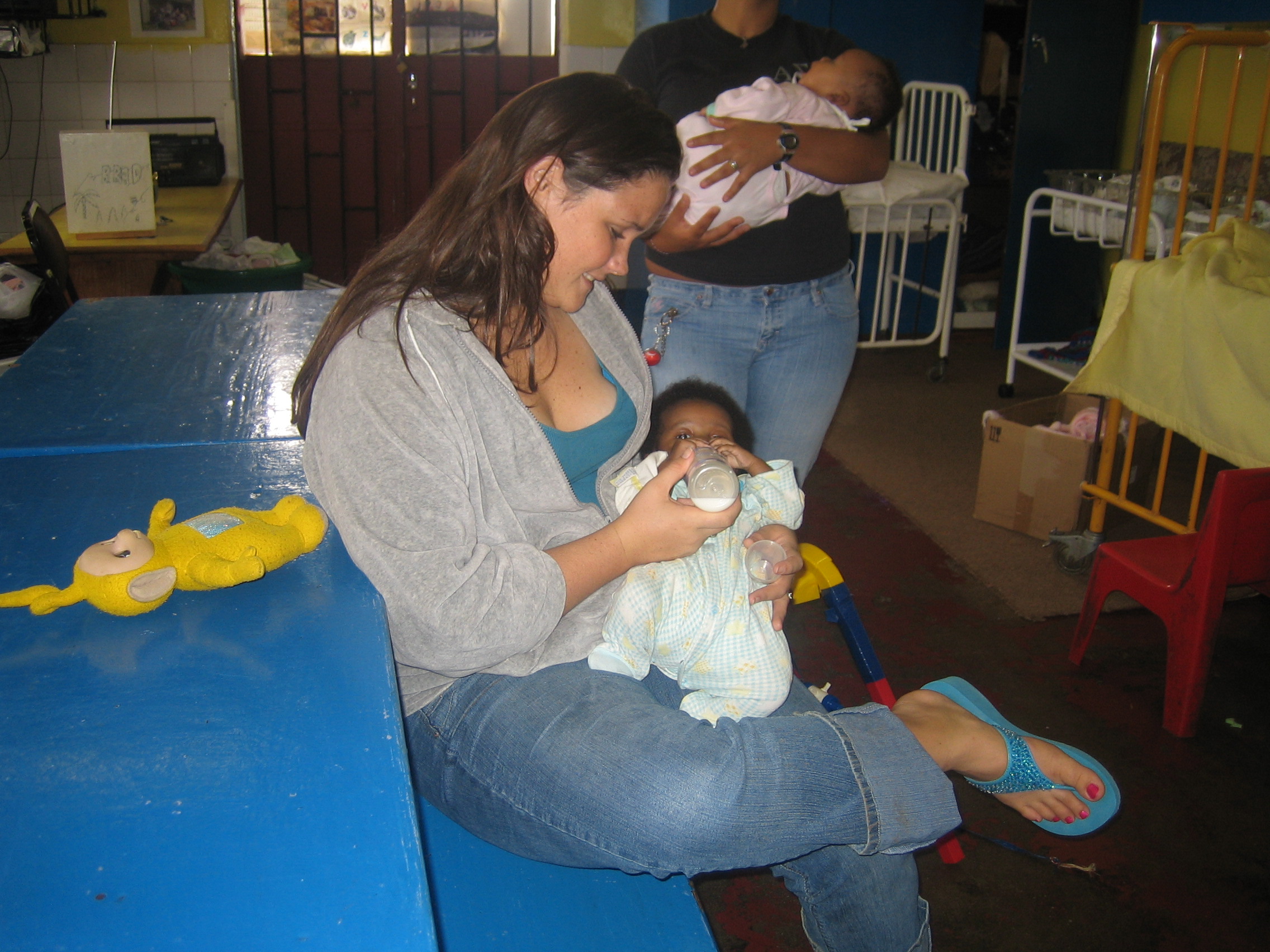
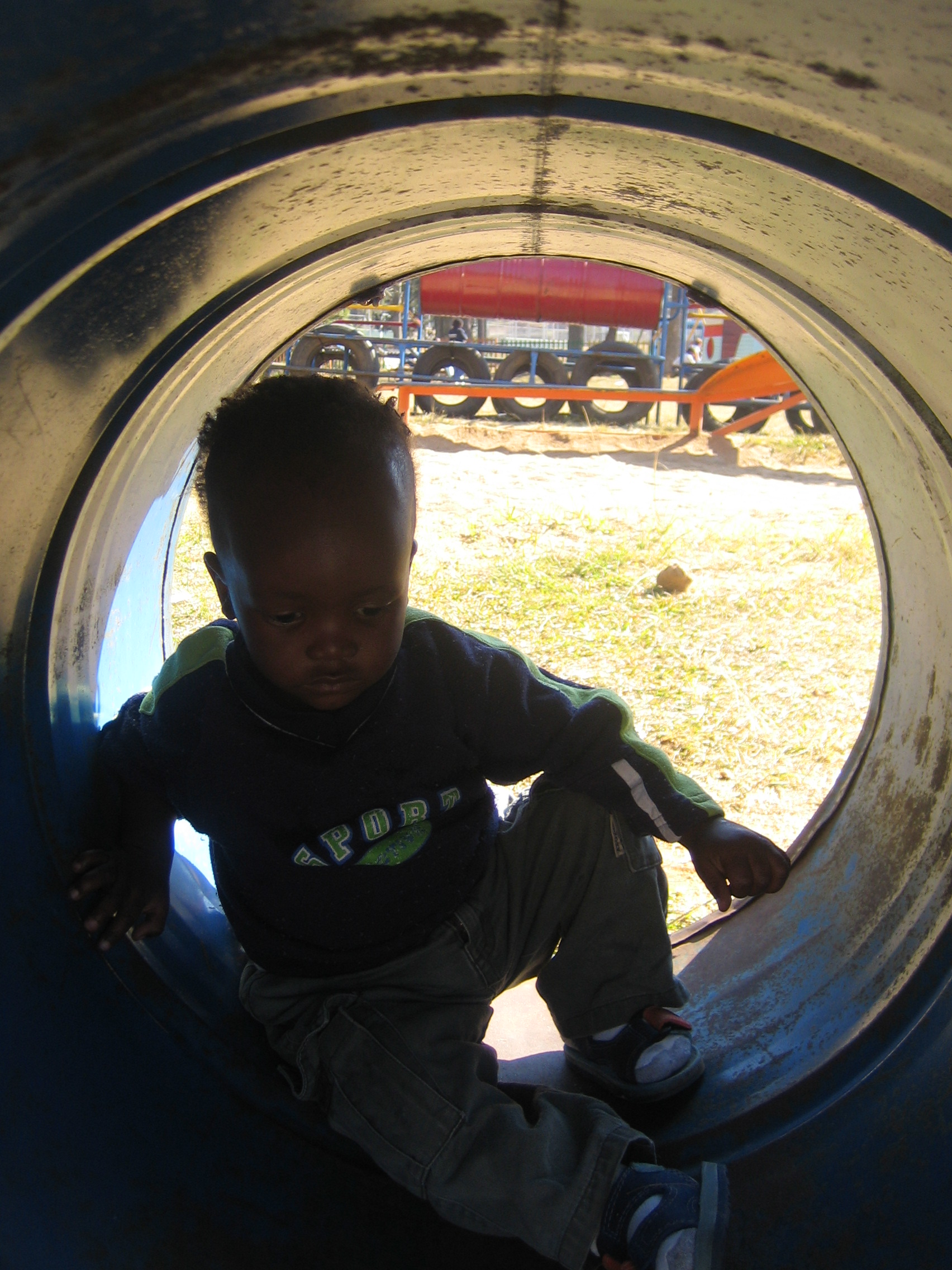
In 2006, I was living and working in Swaziland. I was teaching mathematics and science at a well-known school in the capital city, Mbabane. I also helped out with a community service project which fifth and sixth forms were involved in. At Mbabane General Hospital on the children’s ward, Ward 8, was a single room where abandoned babies, handicapped children and young adults were housed. There was a row of cots, a table and benches and a television in a metal cage that was left on permanently during the day. I took the school children down to the hospital on a Friday afternoon in a minibus and we usually took the residents of the ward to Coronation Park to play. These children weren’t sick for the most part but desperately in need of human interaction.

There is only one government children’s home in Swaziland, a country with tens of thousands of orphans. It does not take handicapped children. There are several private orphanages funded by evangelical Christian churches as well as organisations such as SOS Children’s Village and these do a great job. However there are not enough of them.

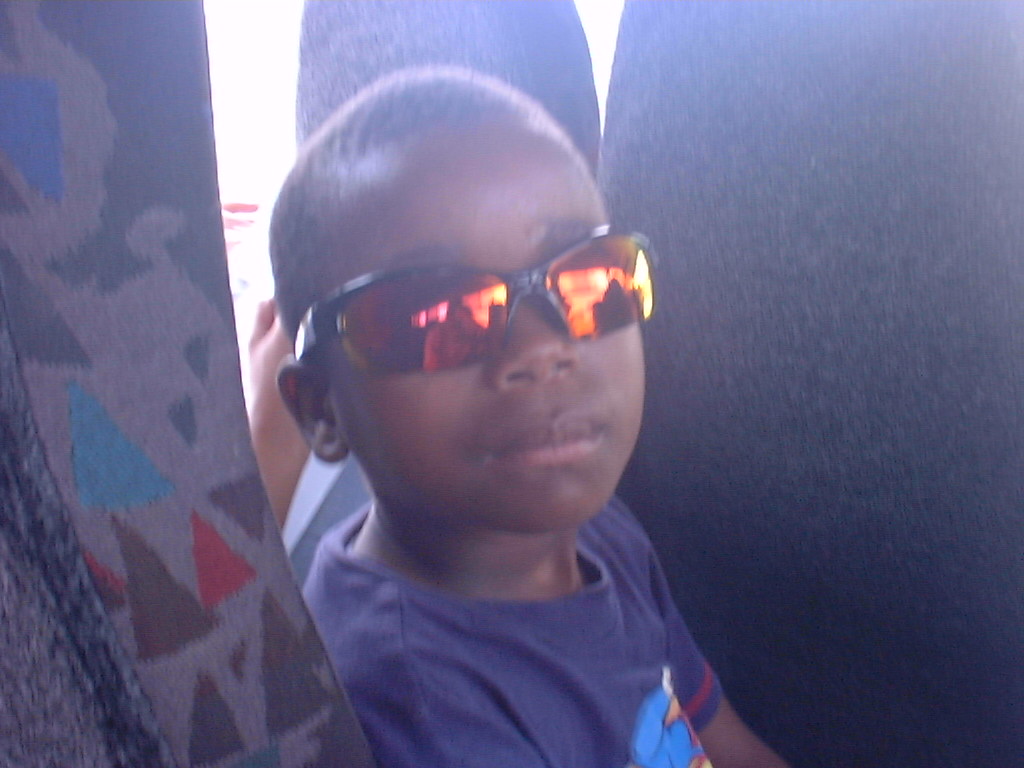
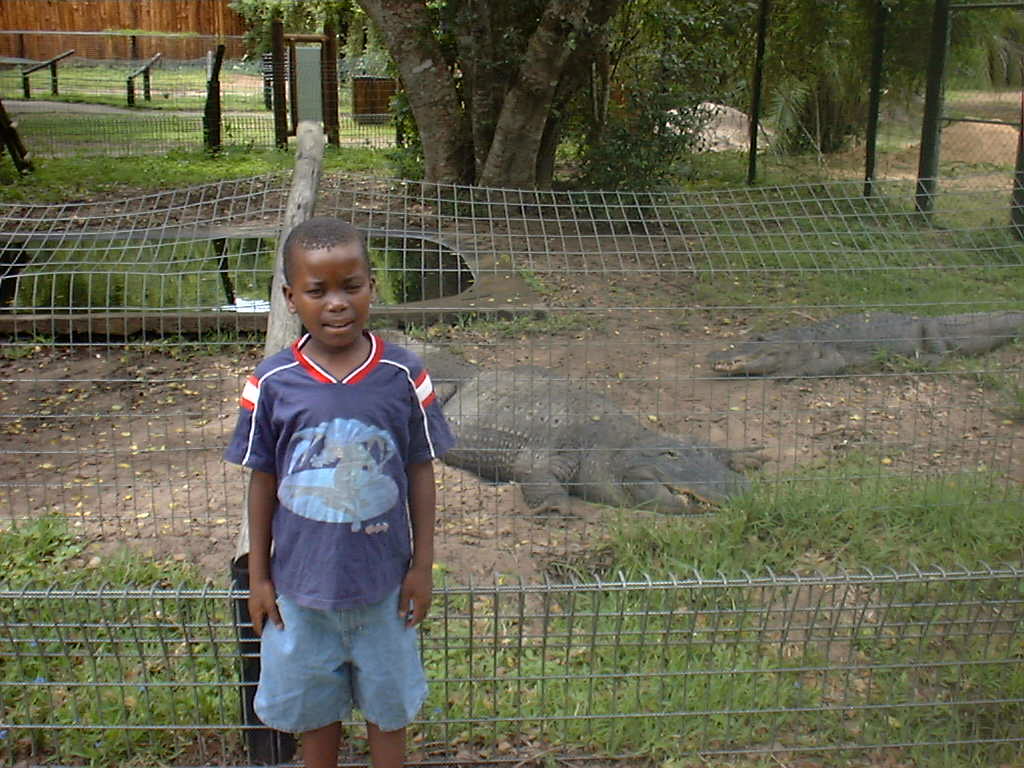
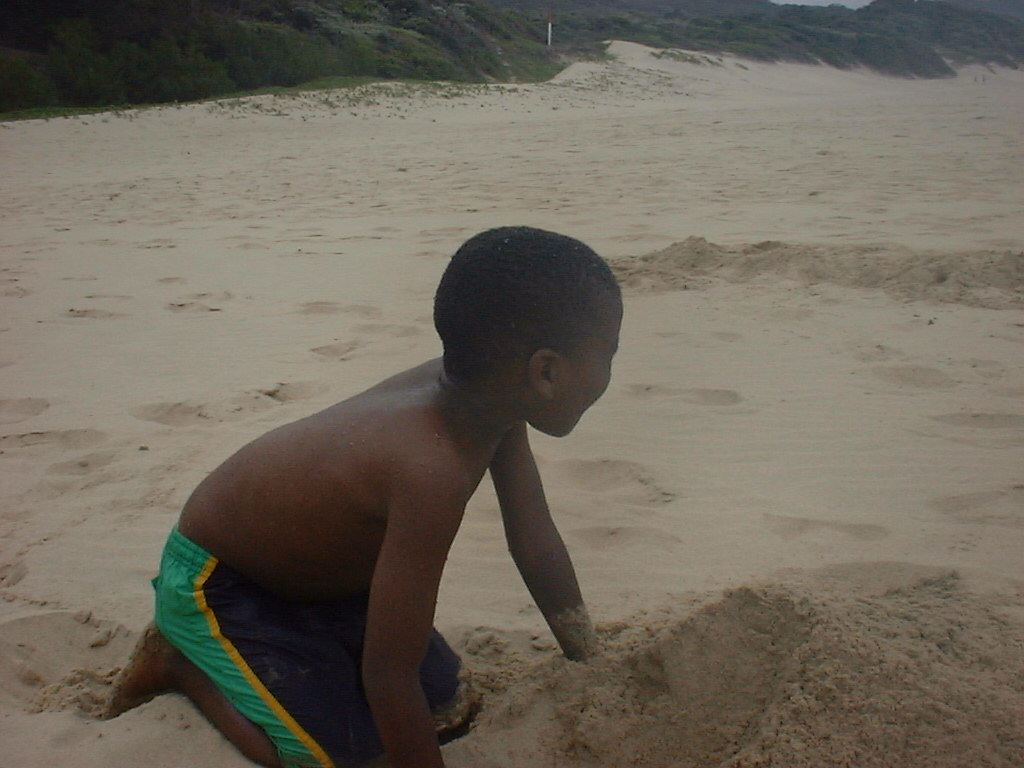
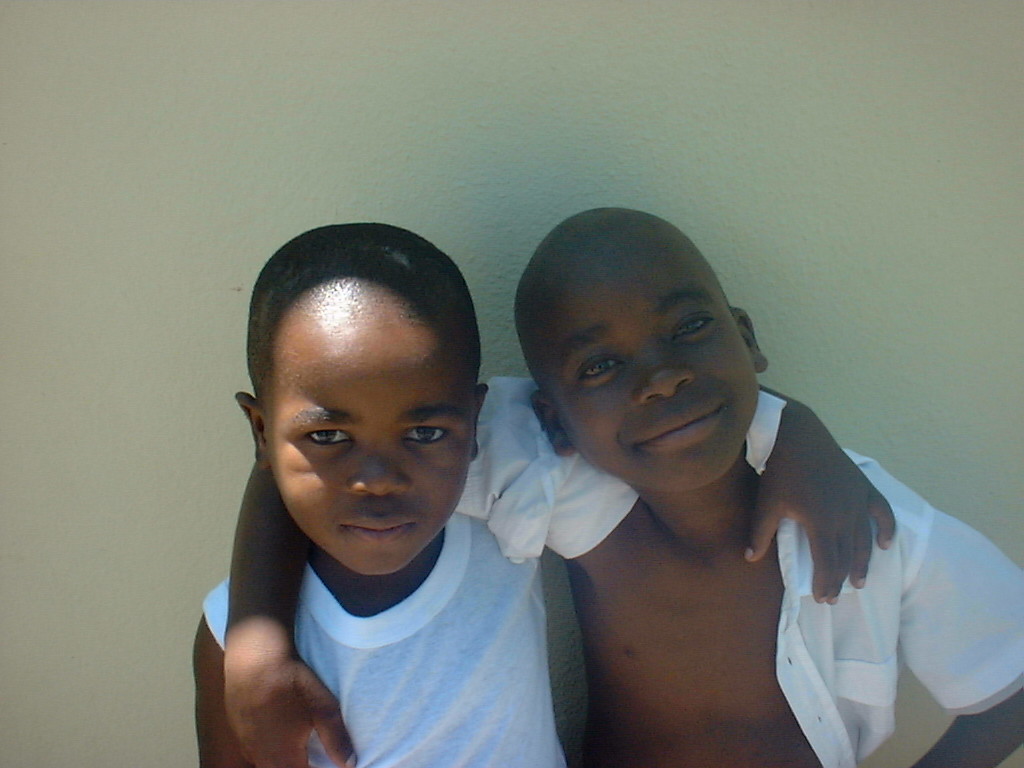
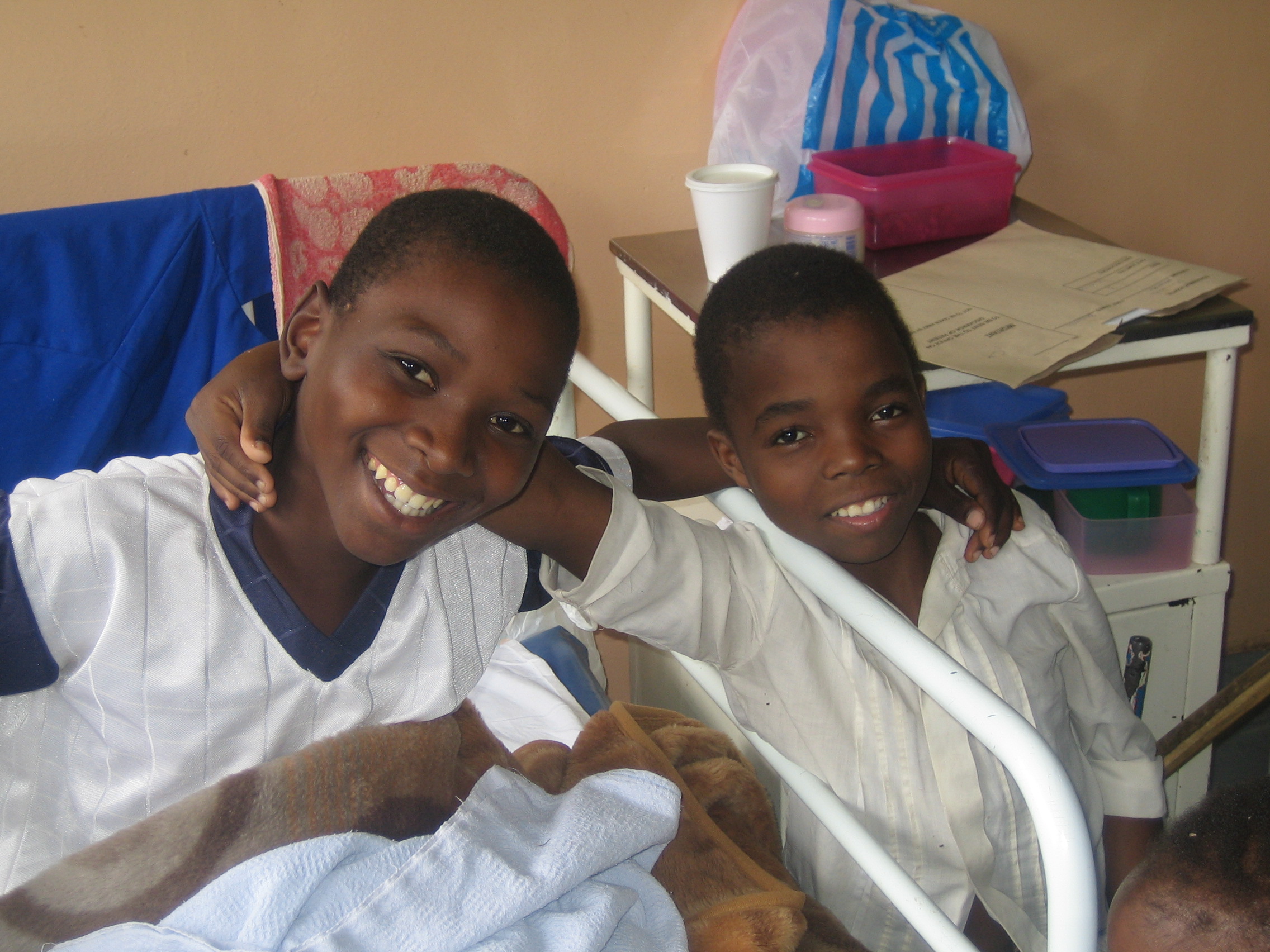
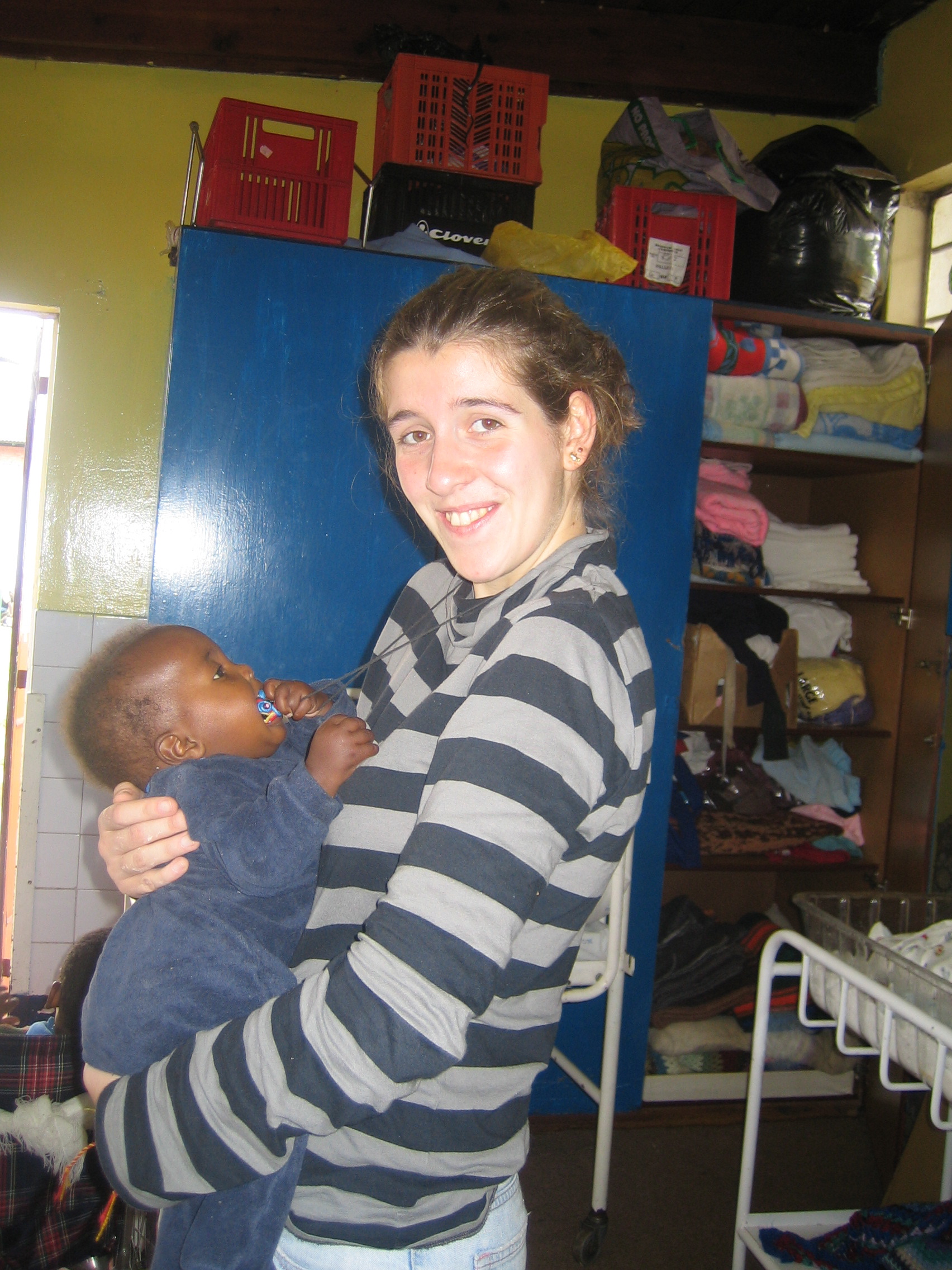
The young boy pictured above in all eight photographs was one such child and had been left at Ward 8 for almost two years with little contact from his family after he was orphaned in 2004. I found out a little about him. He always seemed lively and curious however it was obvious that he suffered from ill-health.

I knew that the future was bleak for him if I did not do something. Another teacher at the school had recently adopted a baby from the same place and so I thought why shouldn’t I do the same. I made arrangements to foster the boy as well as another boy who was in the same situation. So started a long journey.

I asked about the possibility of fostering at the hospital and they were happy for me to take the two boys home for the weekend. I did so. I very quickly realised that I would like this to become a permanent arrangement. Arrangements were made for me to visit the offices of Social Welfare. A very kindly lady called Babazile Sigwane was my social worker. After a couple of visits with her, she suggested that I go for adoption. I would not have done this had I not known that I could get British citizenship for my adoptees. I looked into this and as I was resident in Swaziland at the time, the adoption was the responsibility of the local authorities. Swaziland and the UK recognise each other’s adoptions and so after I adopted Sikhumbuzo as he was then known, I applied for British citizenship at the British High Commission in Pretoria in early 2007. The smaller boy in the top set of pictures had a more complicated situation. His father’s location was unknown and he had been physically abused by his step-mother. He had an open wound on his head that was healing when he was with me. He grew very attached to me and it was very sad that I was told that it would not be possible to adopt him. I tried my hardest but it was not allowed. The reason stated to me was that the father could not be located however it had been over six months since he had had any familiar contact so I think this was not a valid reason.

So I adopted my son in December 2006. In June, we left Swaziland for the UK. I had already secured a new job in central Europe due to start that September but in the meantime, we spent the summer in England staying at my mother’s place. In August, we both moved to Bratislava in the Slovak Republic where we remained for four years. My son attended the same school as I worked at. In 2008, I bought a house and things were looking good.

There was a happy ending to what happened to the other boy I could not adopt because he did find a place at the Lighthouse children’s home. It is a very well-run orphanage with a system of house mothers who are responsible for a small number of children. It is a very caring environment and the children grow up in a family atmosphere. I send regular parcels of clothes and books to him there and keep in touch.

What I couldn’t understand about the situation at Ward 8 was the fact that the nurses seemed so apathetic and disinterested. A lot of toys had been supplied and were stuffed into a cupboard and never taken out. The walls were bare. Food was very basic and the older children slept on old mattresses on the floor with no-one to ensure their safety at night. There was a playground at the back of the hospital just behind the room which housed these children and the grass was overgrown. Our plan at the start of the project was to cut the grass and paint the swings and slides so that they could be used. But this was discouraged as the nurses wanted us to take the babies off their hands in the afternoon.