In July this year, my mother (who lives in Sussex) and I flew from Heathrow up to Kirkwall on a Loganair Flight. We visited Orkney , the islands immediately to the north-east of Scotland north coast, last year in June. We had stayed on the main island (known as the mainland) last year in a little village called St Margaret’s Hope on the island of South Ronaldsay. This time I had planned a longer stay with the first 5 nights on the isle of Sanday and the next six nights in St Margaret’s Hope. We landed in Kirkwall on a Monday afternoon amidst the typical summer fog. The runway only appeared out of the mist at the last minute. We were met at the airport by the people at Orkney Car Hire (thoroughly recommended) and picked up our car. After a couple of hours in Kirkwall, we drove onto the roll-on roll-off ferry to Sanday. The trip is about 1.5 hours and the seas were relatively calm. I had booked a cottage near the little village (the only one on the island) known as Lady Village. It has a community centre, petrol station and store as well as a cluster of houses and that is about it. About one mile away is the airstrip. Flights from Kirkwall arrive here. Loganair operate Britten-Norman Islander aircraft for the inter-island services. We watched one landing – it was an interesting sight.
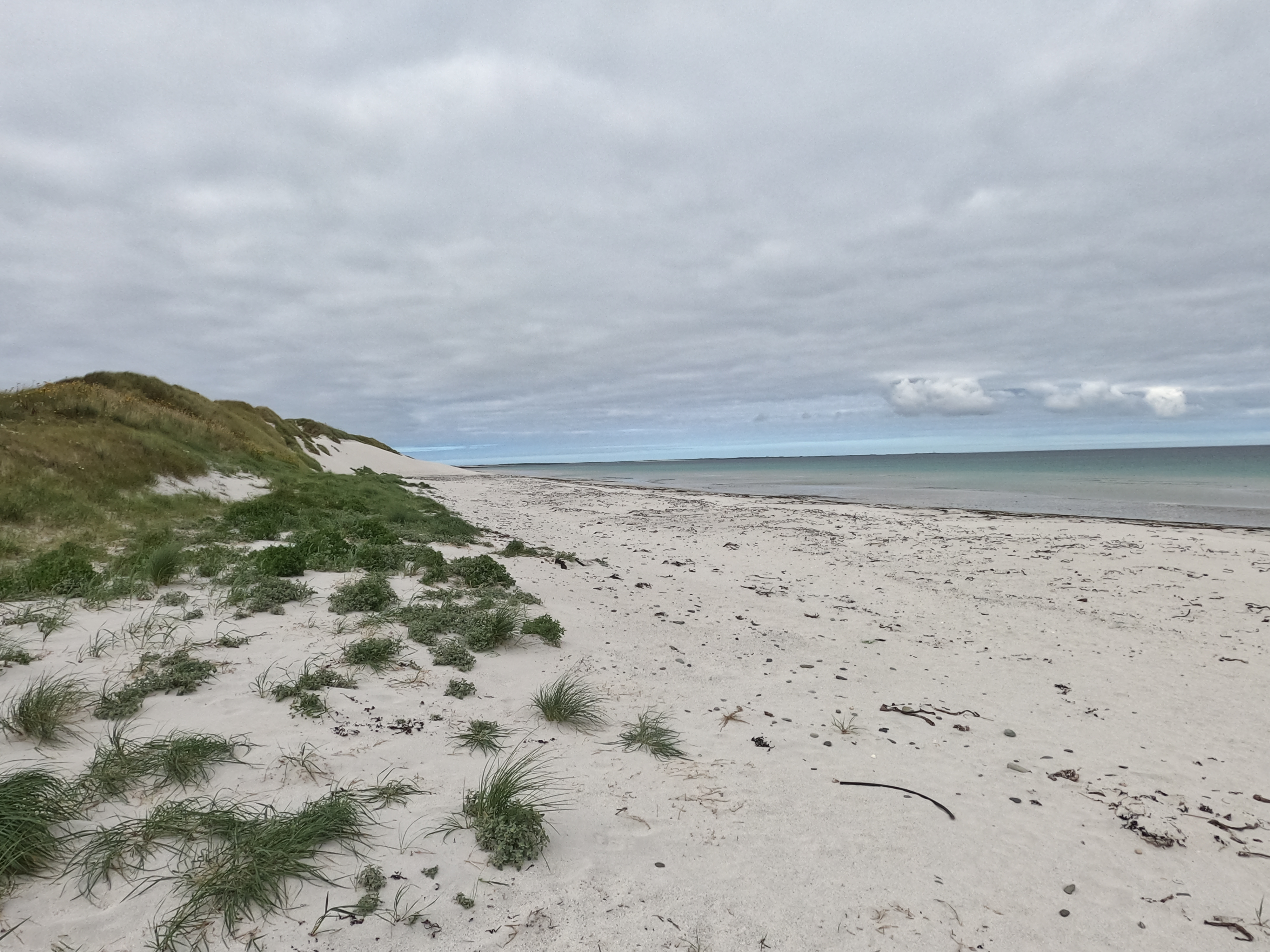
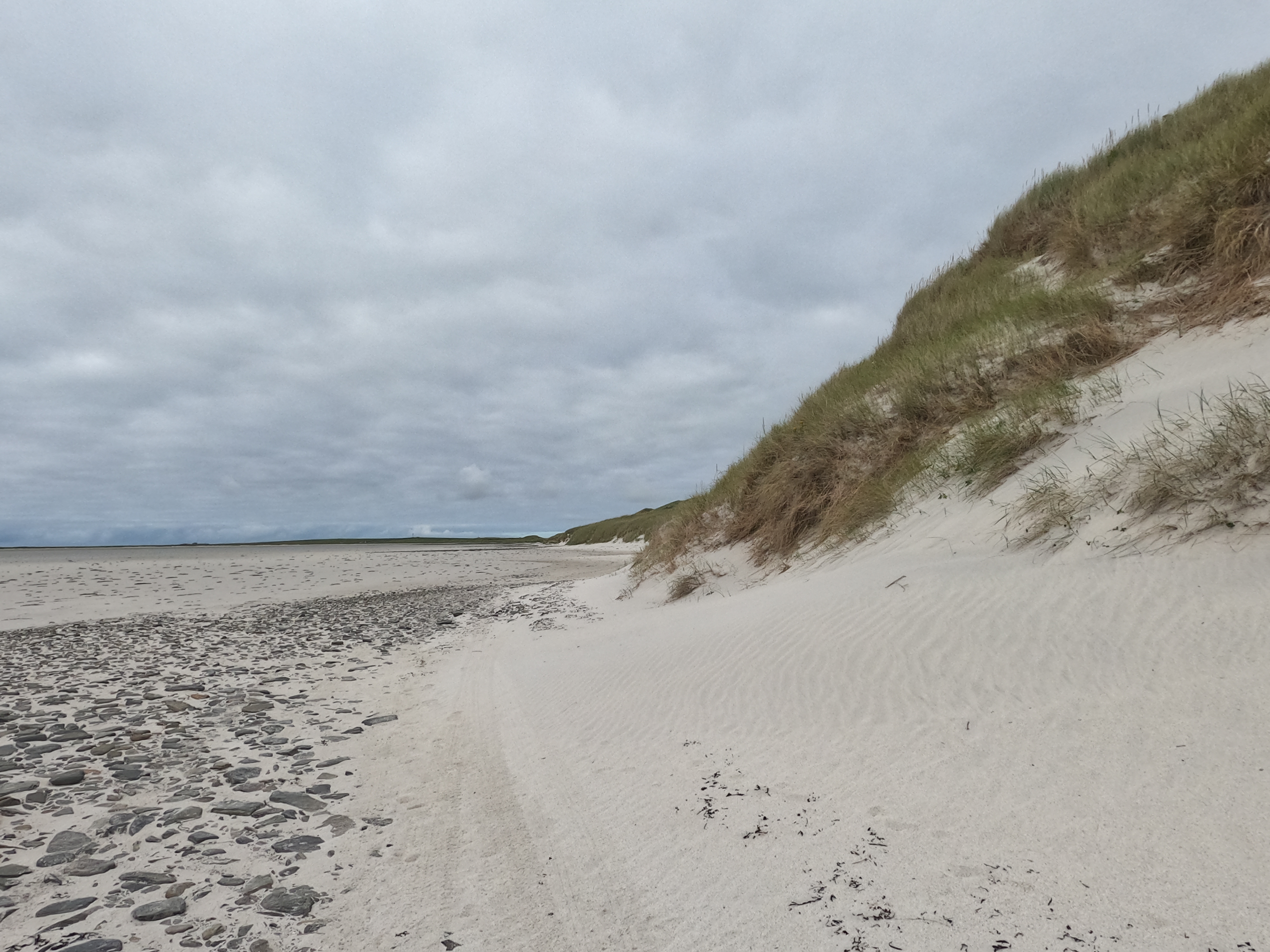
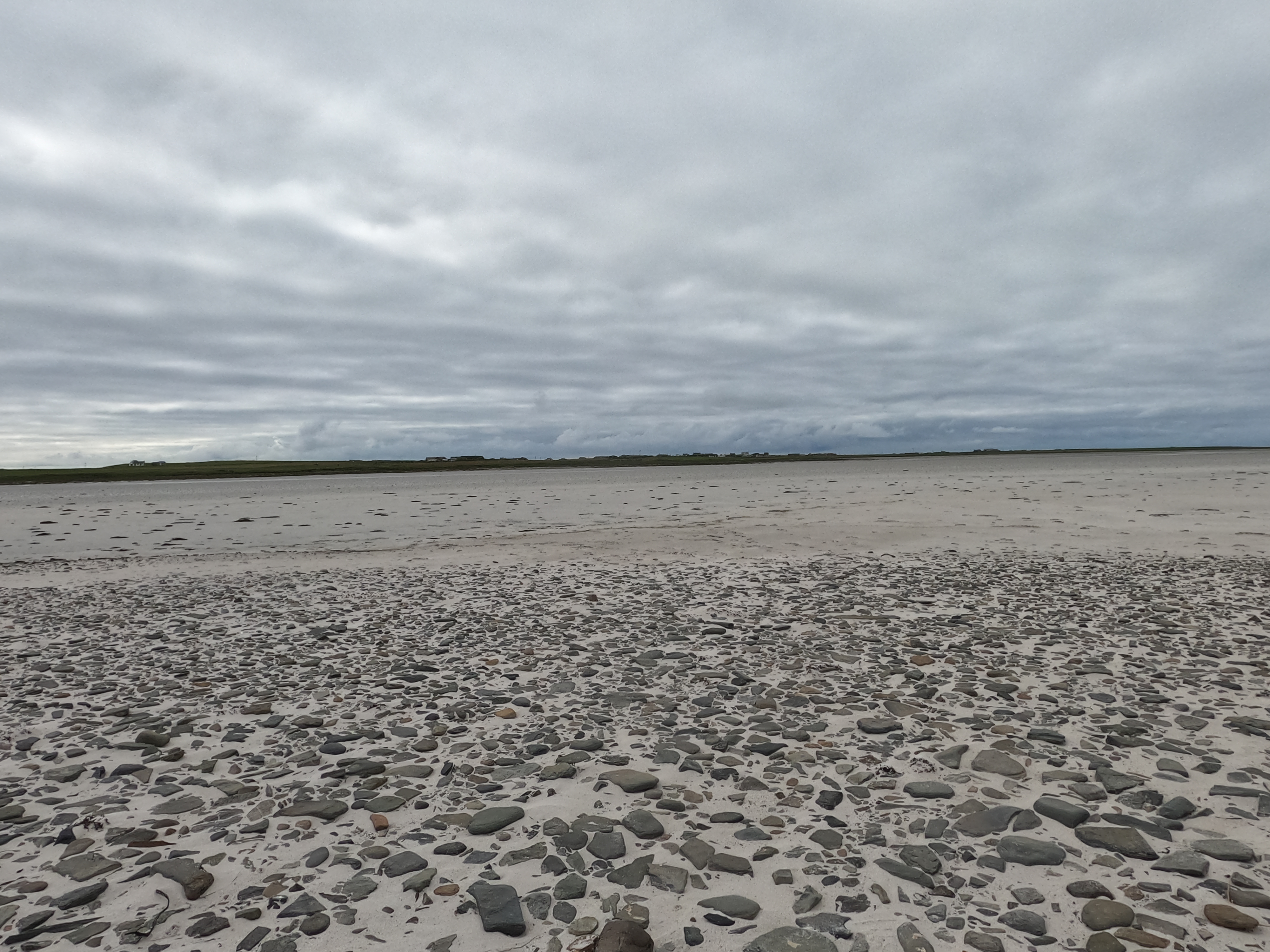
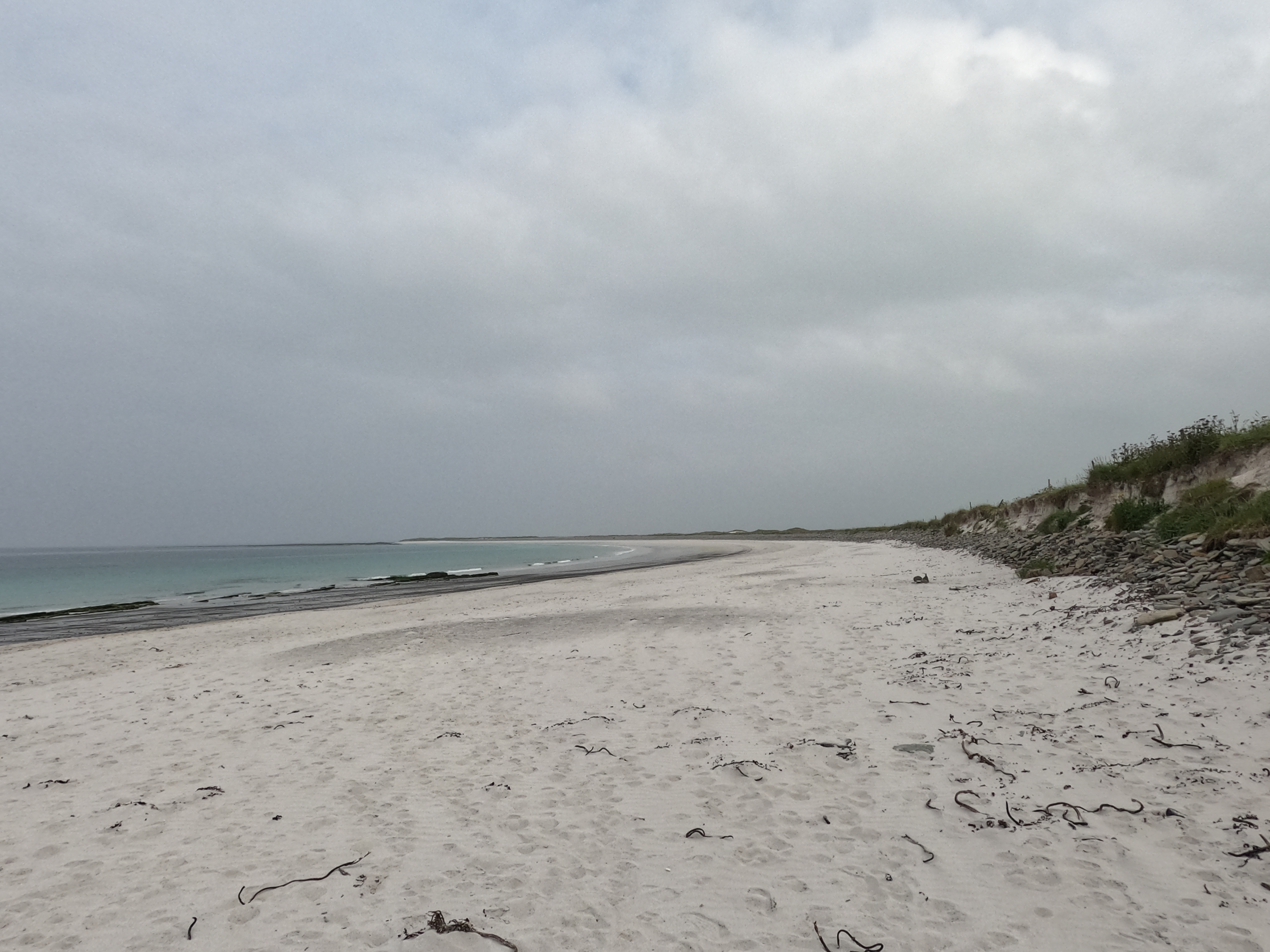
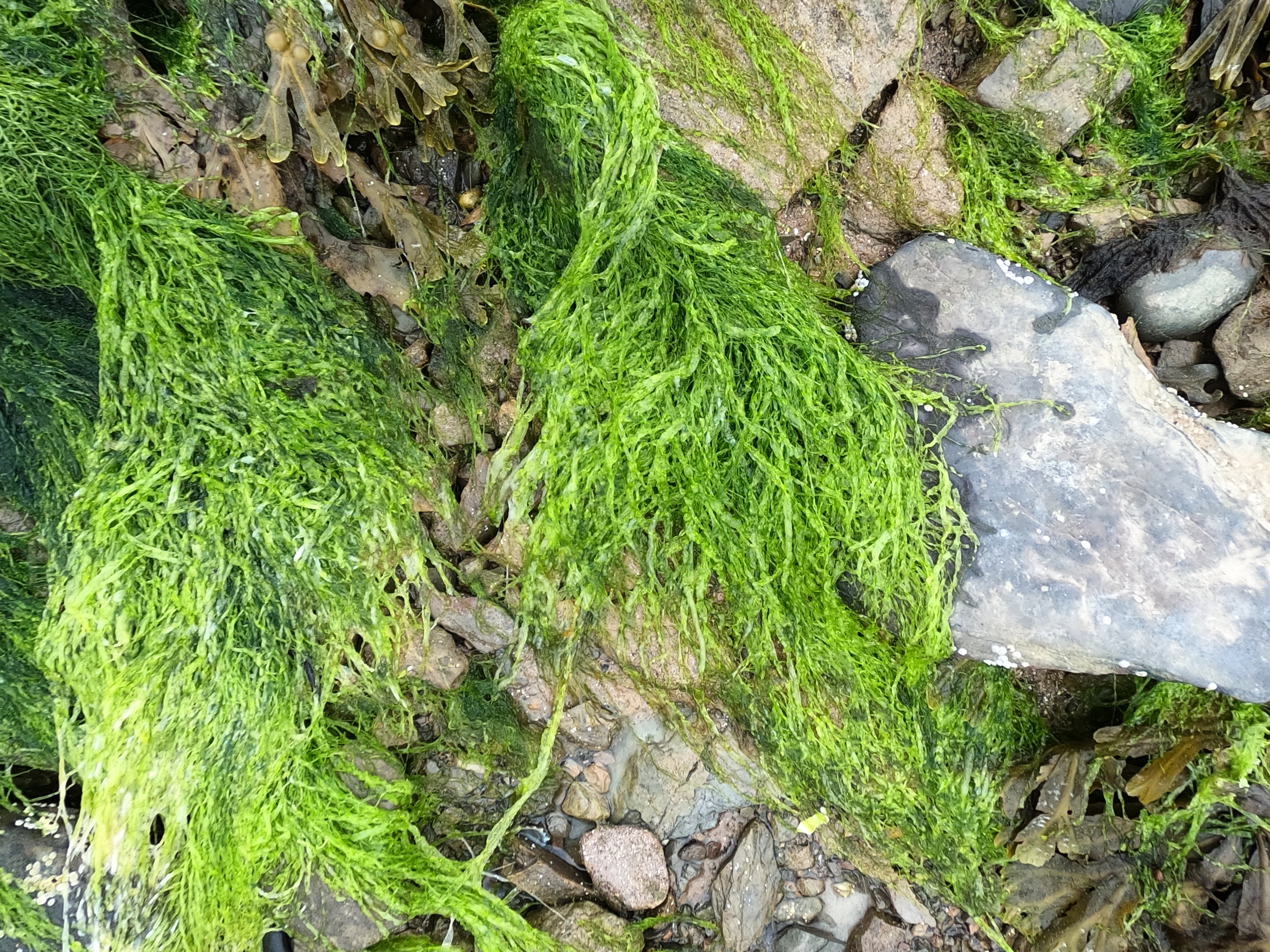
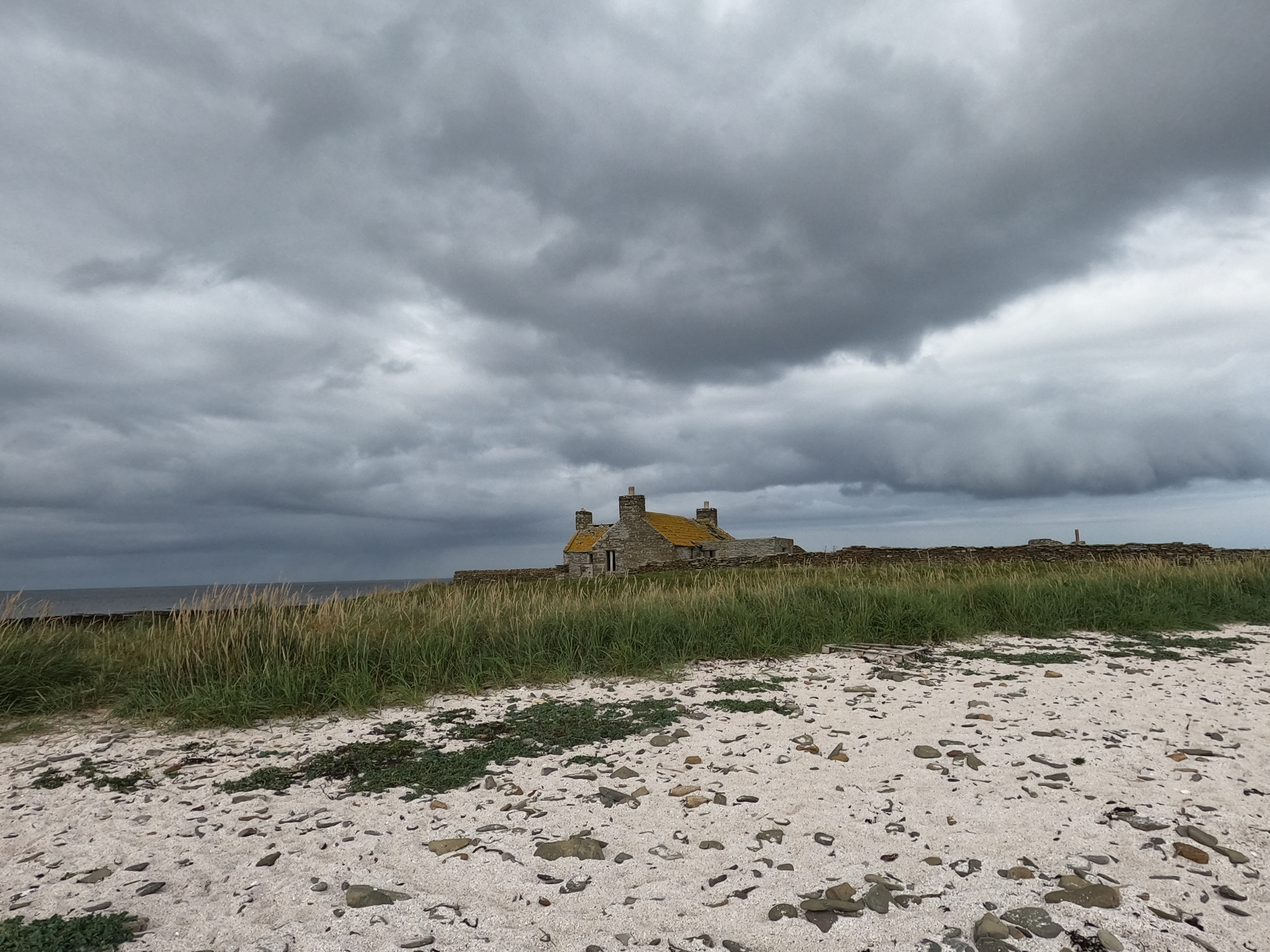
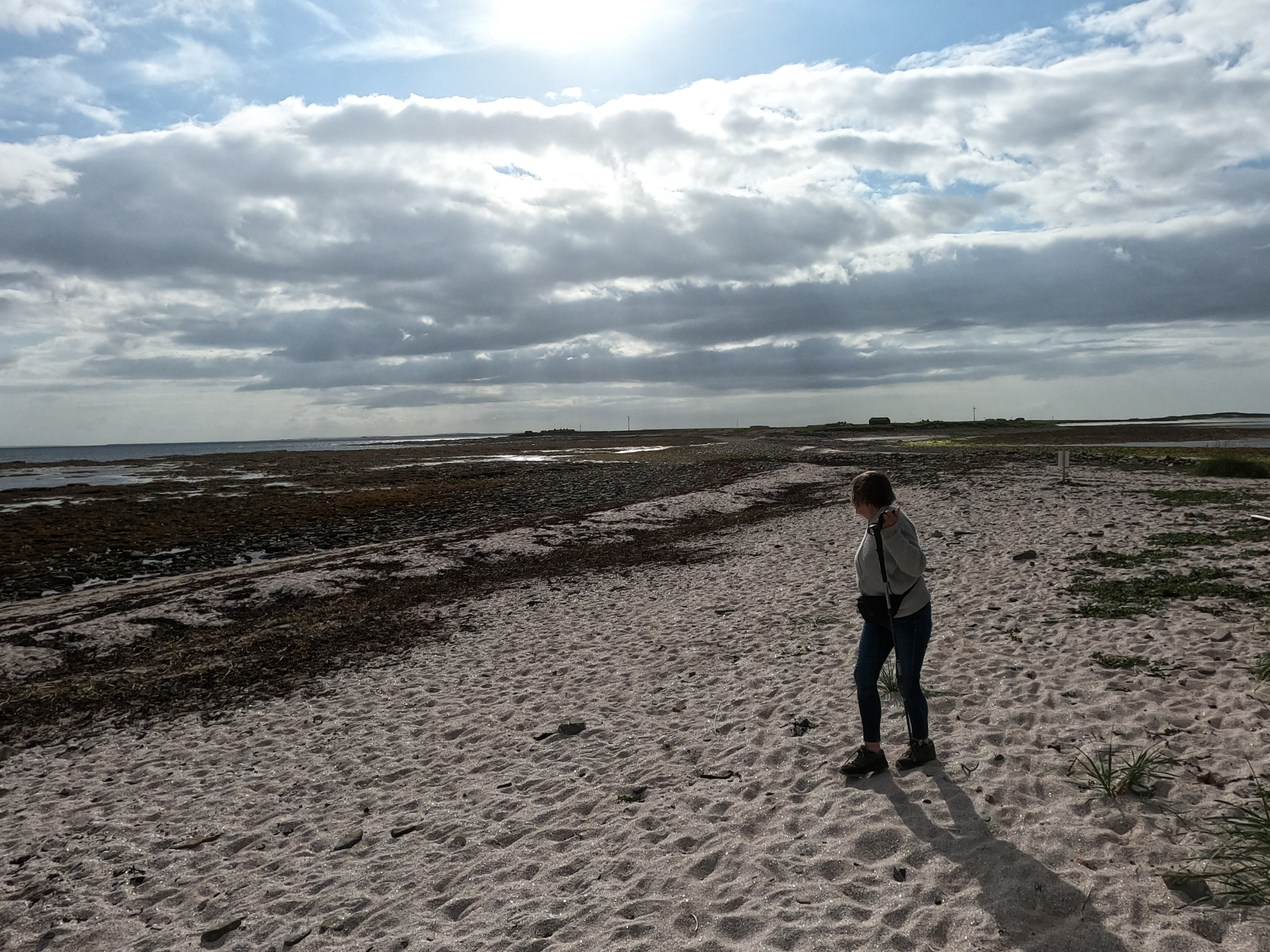
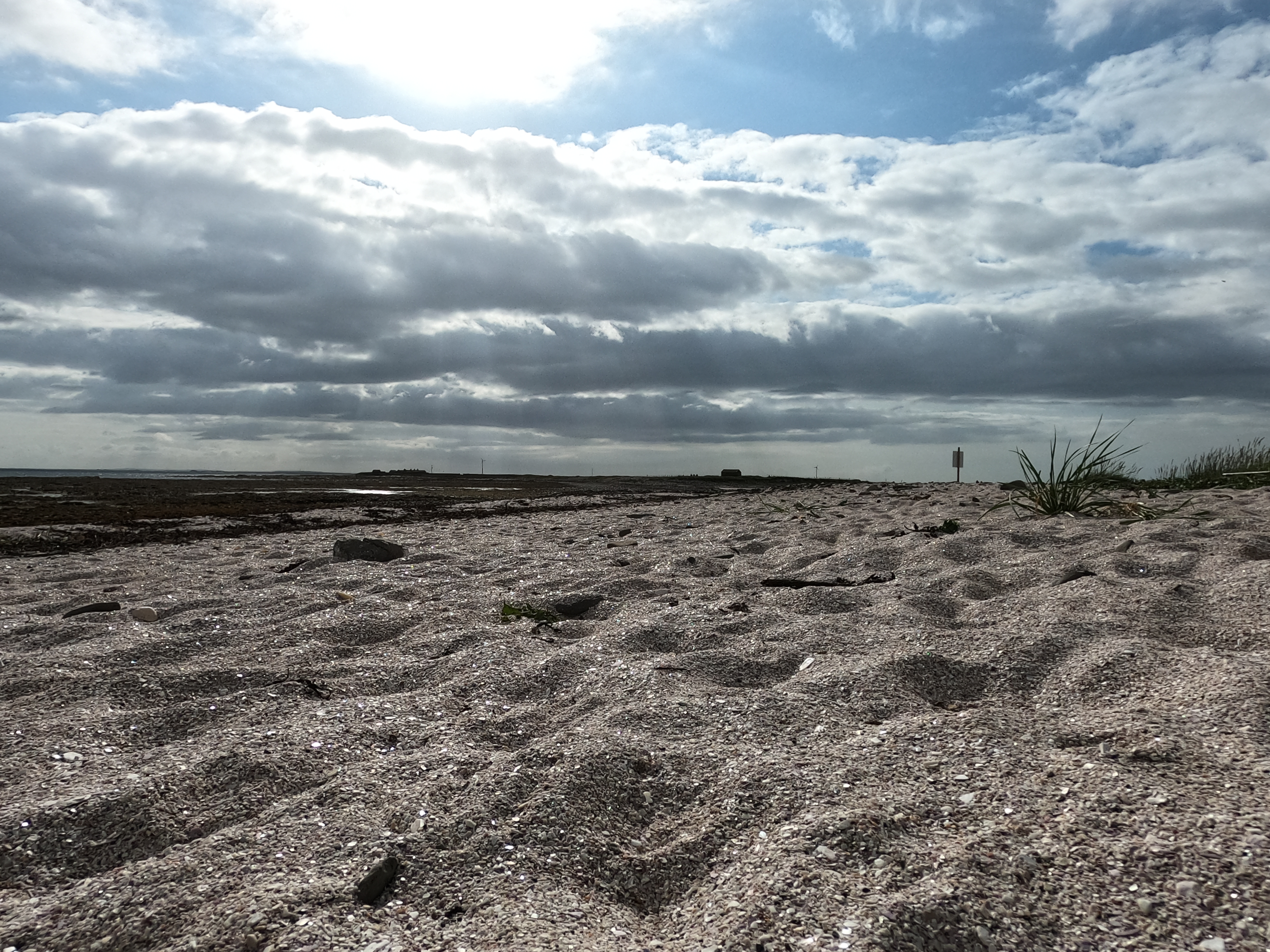
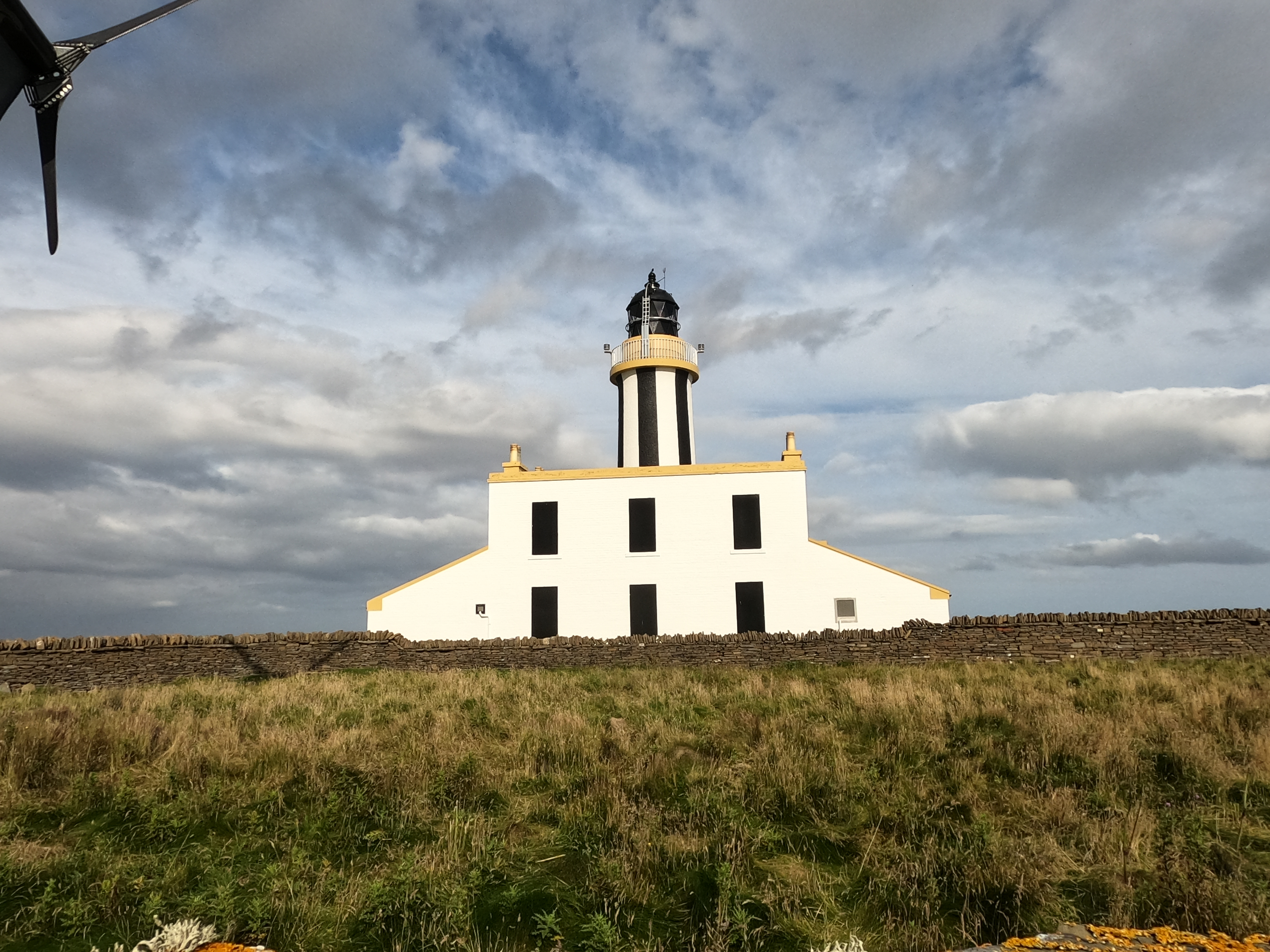
The beaches around Sanday are so numerous and are all absolutely beautiful. Here are some photographs of the island.
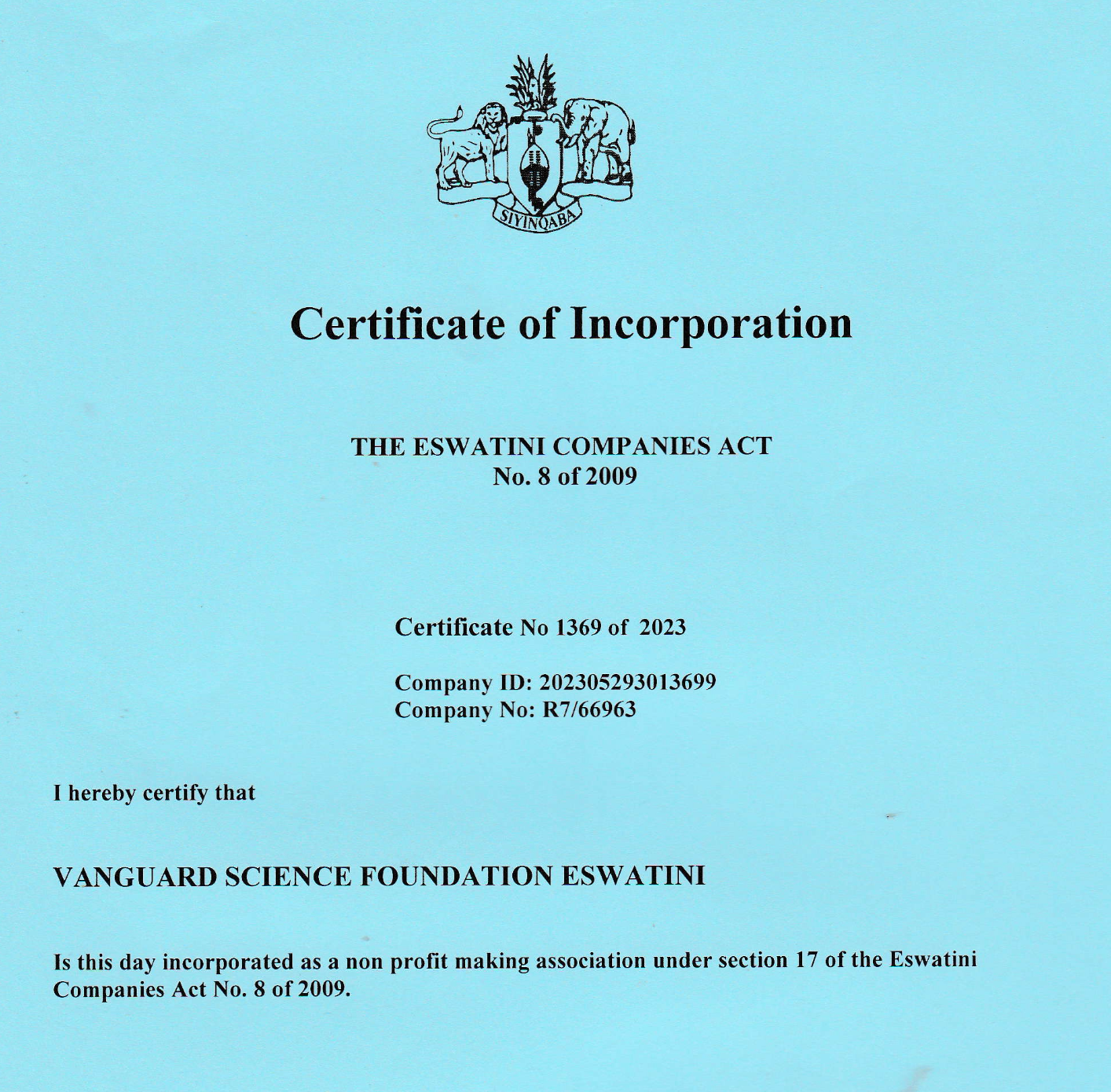
In June, I registered an NGO called Vanguard Science Foundation in Eswatini, a small land-locked country in Southern Africa. The intention is to help train and encourage science teachers in the country to teach the curriculum in the most effective way possible. Most schools lack basic science equipment yet form 5 students are examined on laboratory technique. It is well-known that laboratory work can reinforce learning of the theory side of the curriculum.
Our aim is to show simple ways that teachers can make their lessons more inclusive and relevant in a limited resource setting.
It’s early days yet. I am not yet in country but will move there in late September. My ‘day job’ is online private tuition which means that I have quite a bit of spare time. Two of the directors are Swazi citizens who have a lot of useful connections. It is officially a section 17 company which is the name for non-profits in the country. I will be looking into getting funding. But as I will be donating my time for free, the overheads will be very low.
I used to live in Eswatini (2004 – 2007) so I am delighted to be going back. Many years ago, I volunteered for VSO (Voluntary Service Overseas) in Zimbabwe. That is where my love for Africa began. But currently I live in Georgia (the country, not the state) and have some logistical hurdles to cross, not least getting my two cats from here to Eswatini.
Education in Eswatini is underfunded and as I mentioned, under resourced. The Form 5 (EGCSE) exams are broadly based on the UK GCSEs (they used to set the UK exams but then they made their exams in-country). The science exams are roughly equivalent to foundation level GCSEs in the UK but the pass rates are very low. There is the language barrier for one thing. English is spoken in Eswatini but technical language is a different matter and there are cultural and social issues such as students’ lack of familiarity with the context of exam questions.
A simple approach would be to meet with science teachers and discuss ways in which they can use available resources to present the course in an interesting fashion. When I taught in Zimbabwe in the 1990s, we were issued with a science teachers’ handbook that had a compendium of great ideas for teaching chemistry, biology and physics from home-made chromatographs to simple projectile labs.
It may be possible once I get funding to provide some basic lab equipment There are companies based in Africa that construct affordable science equipment so we may be able to use them. There are initiatives with the University of the Western Cape (Science Learning Initiative for Africa) that operate 1-3 day workshops in the Western Cape. We could learn from them.
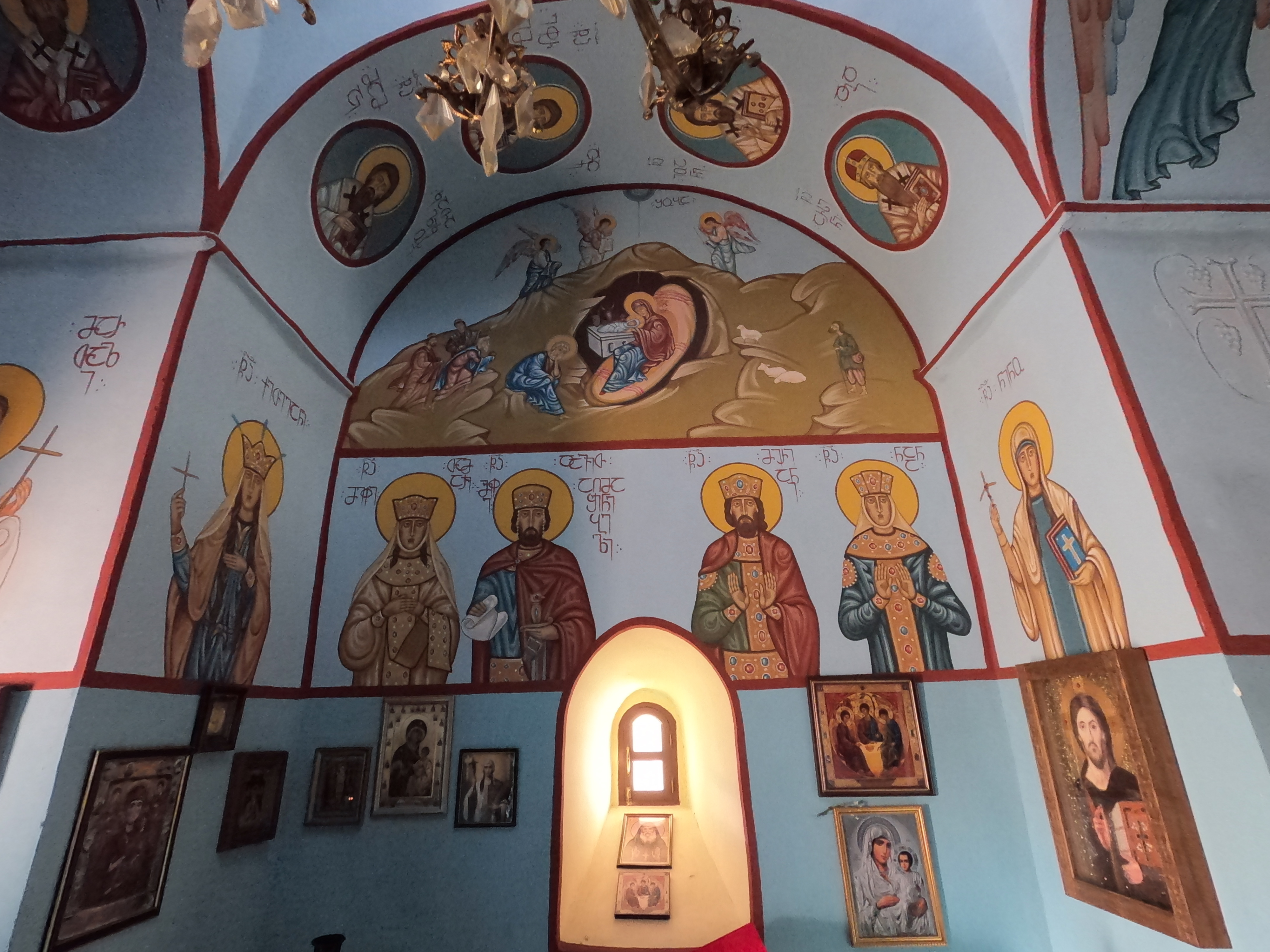
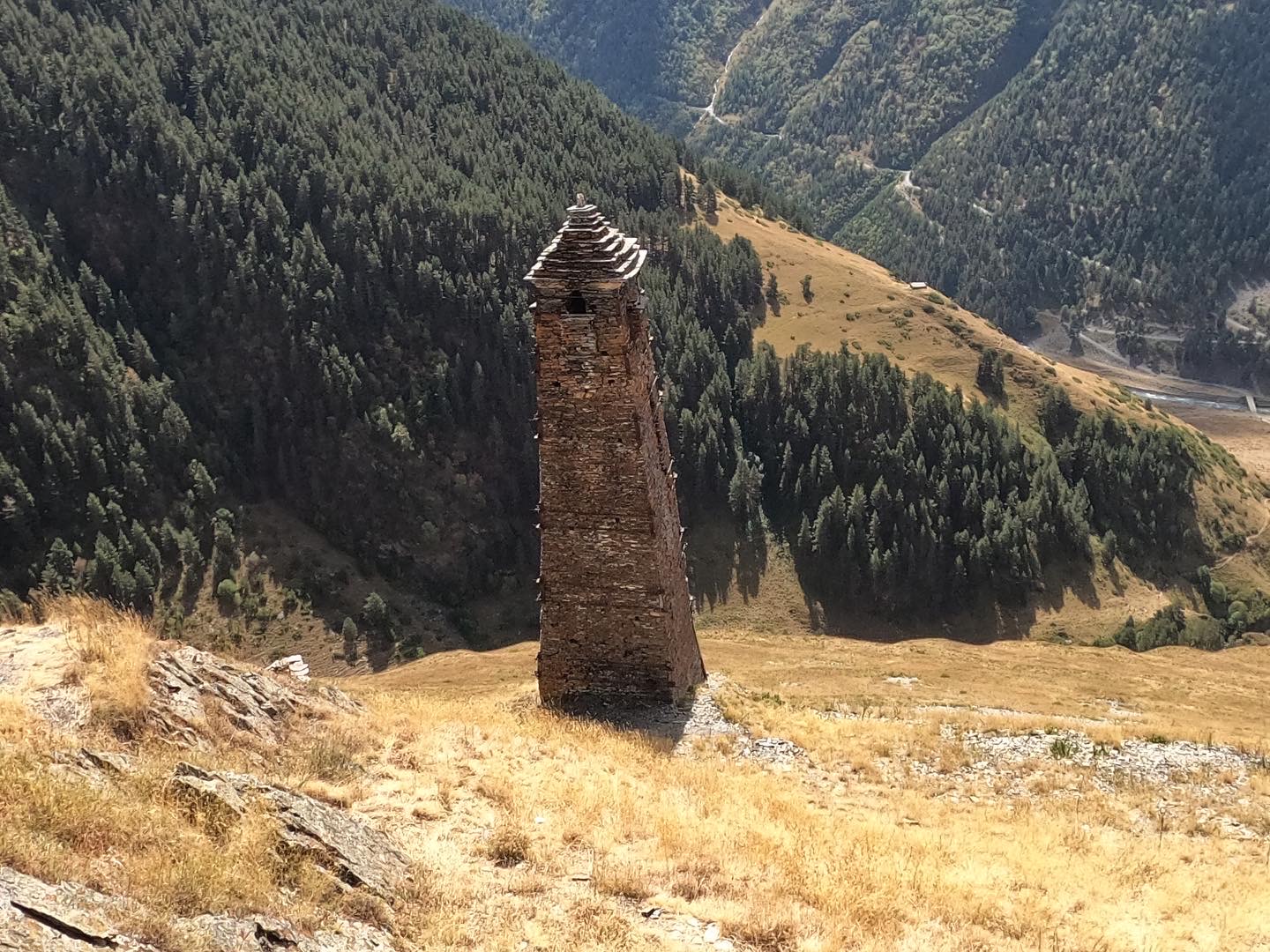
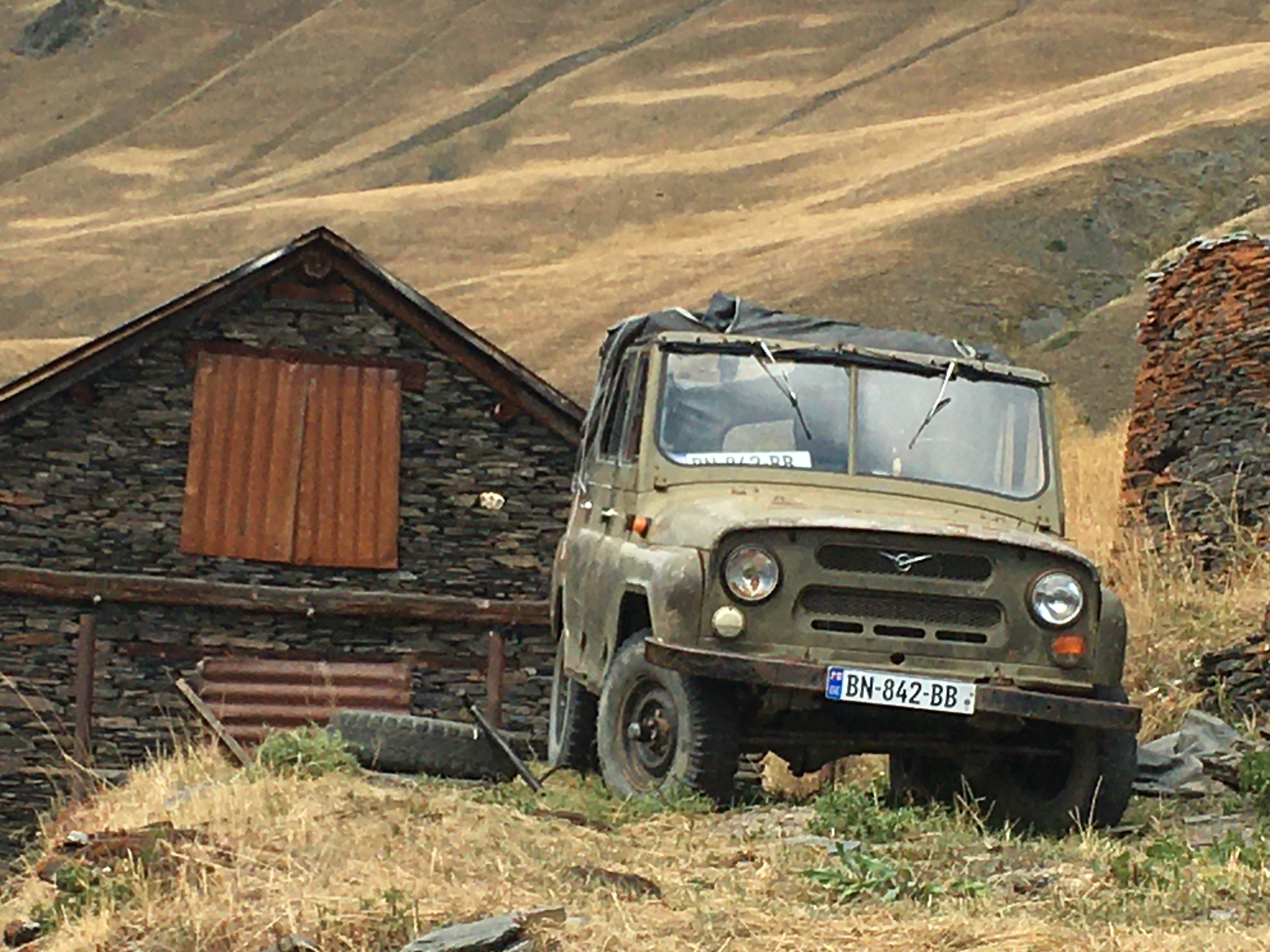
A Georgian orthodox churchTraditional Georgian towerA Russian jeepThe western city of Chiatura
In January 2021 I moved to the country of Georgia. Georgia is a small country bordering Russia to the north and Turkey, Armenia and Azerbaijan to the south and east. I had visited for a brief holiday in February 2020 and liked what I saw. I was looking for a place where the cost of living was much lower than in my home country of the United Kingdom. I am self-employed and my income is variable. In recent years, I have not done so well financially because of the high cost of living and as everyone knows, that is only going to get worse. My only son left home in 2018 leaving me free to choose my place of abode. He currently lives in Australia as it happens.
I tutor mathematics and physics for a living online so I can work remotely. Since the pandemic, online tuition has risen in popularity. I now have temporary residency in this country. I live in the centre of Tbilisi, the capital city.
Living here suits me. Though rental prices have risen since the influx of Russians escaping the draft, it is still cheaper than the UK and I don’t need to pay any council tax. I do currently pay tax in the UK still (the rules on that are quite complicated) but from next year, I should be able to pay only voluntary pension contributions. In Georgia I pay 1% tax on my gross turnover as I registered as an Individual Entrepreneur.
My work is mostly late in the evening due to the three or four hour time difference between the UK and Georgia. It is relatively easy to get flights back to the UK although there are no direct flights.
Tbilisi is a city with no clearly-defined centre. It is surrounded by hills, is oppressively hot in the summer and never gets very cold in the winter. It is easy to manage without a car because from where I live, the old city is walking distance and taxis are very cheap. They cost about $1 per km. I rent a large apartment in the area popular with embassies. The Slovakian embassy is just down the road. There are many cafes to choose from.
There are some negative sides to moving here too. The traffic is quite bad and cars do not respect pedestrians’ use of road crossings. The pavements are very uneven and frequently obstructed by obstacles such as low walls, raised pathways, cars parked on the pavement and so on. It must be hell to live here as a disabled person. In fact I have never seen a wheelchair user. It would be impossible to get about. The frequent piles of dog waste is another problem.
It is also difficult to find certain items in the shops unless you are in the know. Customer service is often very poor. I bought a “new” printer from an national electronics outlet and discovered that it was actually 8 years old.
The price of utilities is much lower than the UK. Food prices are roughly equivalent to the UK with cheese, bread and milk being rather expensive. Taking a taxi is very cheap and will cost you about US$ 3-4 for 20 minutes or so.
I have visited many out of the way places such as Tusheti, Mestia, Batumi, Zugdidi, Kakheti, Chiatura, Poti and Paravani Lake. Transport to Batumi is via a rail link that uses a modern German train. Otherwise you need to take a marshrutka (minibus) to get out of the city. Hiring.a car is an option b
Mestia is my favourite place. It is in the north-west of the country bordering Russia. There are trails rising to over 3000 m and plenty of opportunity to explore the surrounding countryside. To get there, you take the train to Zugdidi from Tbilisi and then hop on a marshrutka for four hours over rather rough roads rising up to 1500 m. There is the famous Mestia to Ushguli trail which is popular amongst hikers. There are more adventurous. Another great site to use is alltrails.com.
One day, I would like to hike the Omaha to Shatili route from Tusheti but this advisable to use a paid guide.
The town of Mestia is in the Svaneti region and has about 9000 residents. It is a great base for hiking.
A view of Mestia and the airport from 3000m.
Svaneti has its own protected language, distantly related to Georgian and from the same family tree. It even has a few extra letters compared to standard Georgian. It is still spoken widely but you will probably not hear it except amongst the locals.
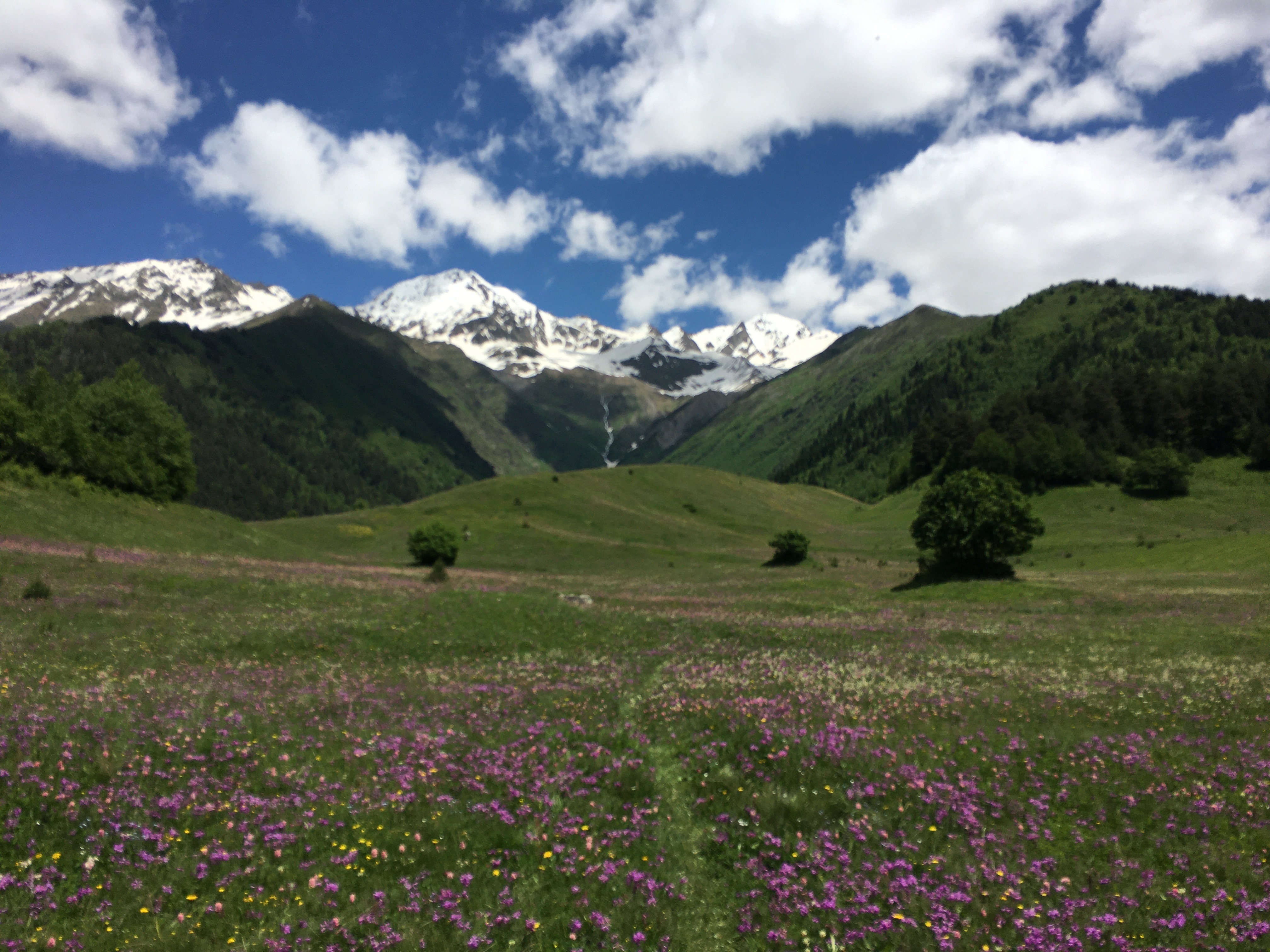
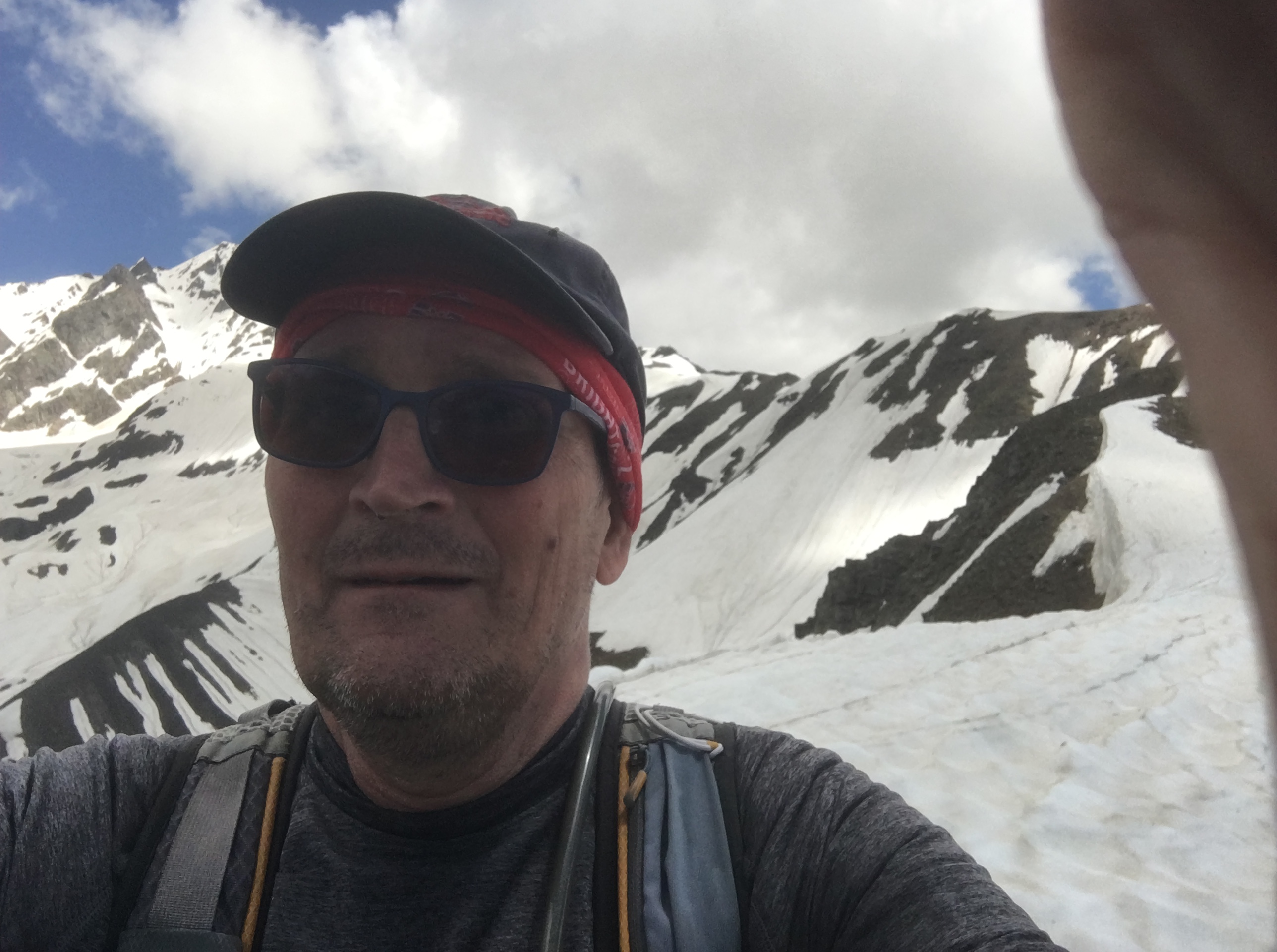
Snow-capped peaks with a wildflower meadow in the foreground.Yours truly at 3100 m negotiating a snow field in June.
In 2018, I bought a domain through Bluehost and began trying to make my own website to promote my tuition business. This is where I began to run into the many problems seemingly built into the experience and aimed at making you pay more for every single element or design feature.
WordPress is a very well-known platform for designing a website. Looking back, I can’t exactly say how I managed to circumvent each problem I encountered (actually sometimes I hit a brick wall) because it was a process of trial and error. I signed up to a WordPress account and then assigned the site to my Bluehost domain name. That was quite easy. There were some issues that I had to resolve, for example using Cloudfare to mitigate DDOS attacks and protect my site. But that was fairly easy.
What is very complicated is using the WordPress control panel to select plugins to use on my site and to get them to work the way I expected. I had no idea about what AMP was (Accelerated Mobile Pages) but I have a vague idea now. I signed up to get access to the paid Basic All In One SEO plugin version and this was useful. However you very quickly discover that most of the features are only available on the most expensive Pro or Elite plugin and when you register the plugin with the provided license key, it defaults to the free version after a day or so and you have to do it all over again.
As for AMP, I think I know what it is but try as I may, I just can’t get it to function correctly. It is very unclear. Does the device you use determine whether the site viewed is the AMP version or the non-AMP version? All I can seem to see in the non-AMP version unless I select Appearance -> AMP in the WordPress control panel. It makes no difference whether I delete cookies on my device. I always see the non-AMP version of my site. In that case, what is going on? I have a PhD in physics and I still can’t seem to figure it out. Everything is menu-driven in the plugins and it is very confusing.
I read that AMP increases the speed of your site and prioritises it in Google search. So it is worth doing. But the whole experience is so off-putting.
Am I stupid or something? Or is it just that people who programme these plugins and interfaces don’t have a clue how to communicate?
It would be wrong to say that I never enjoyed teaching in schools but it’s true that in general I did not enjoy it. It all depended on the class and the school. But for the most part, I did not have an easy ride. Most often, it was not the kids but the management that was the problem.
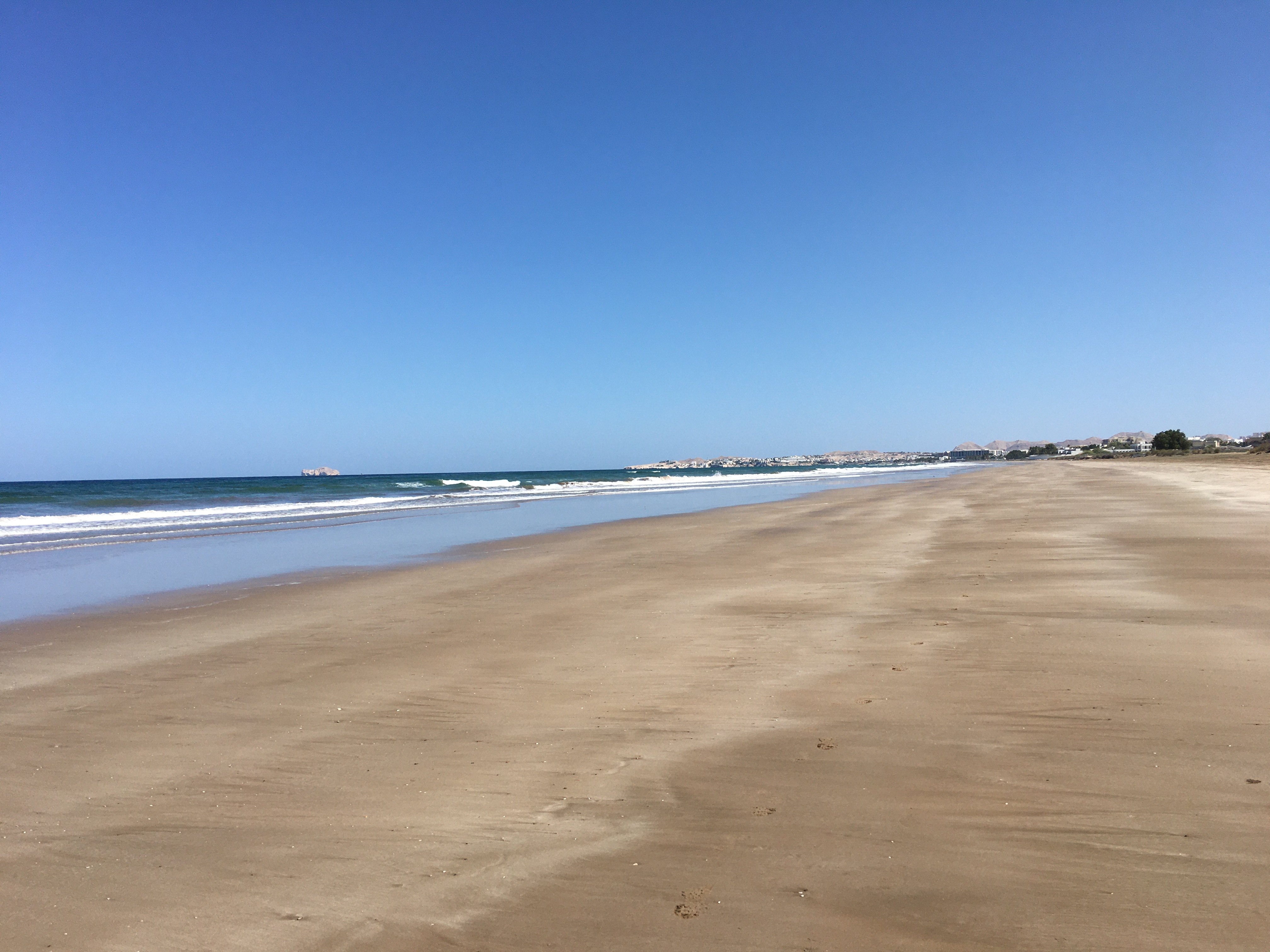
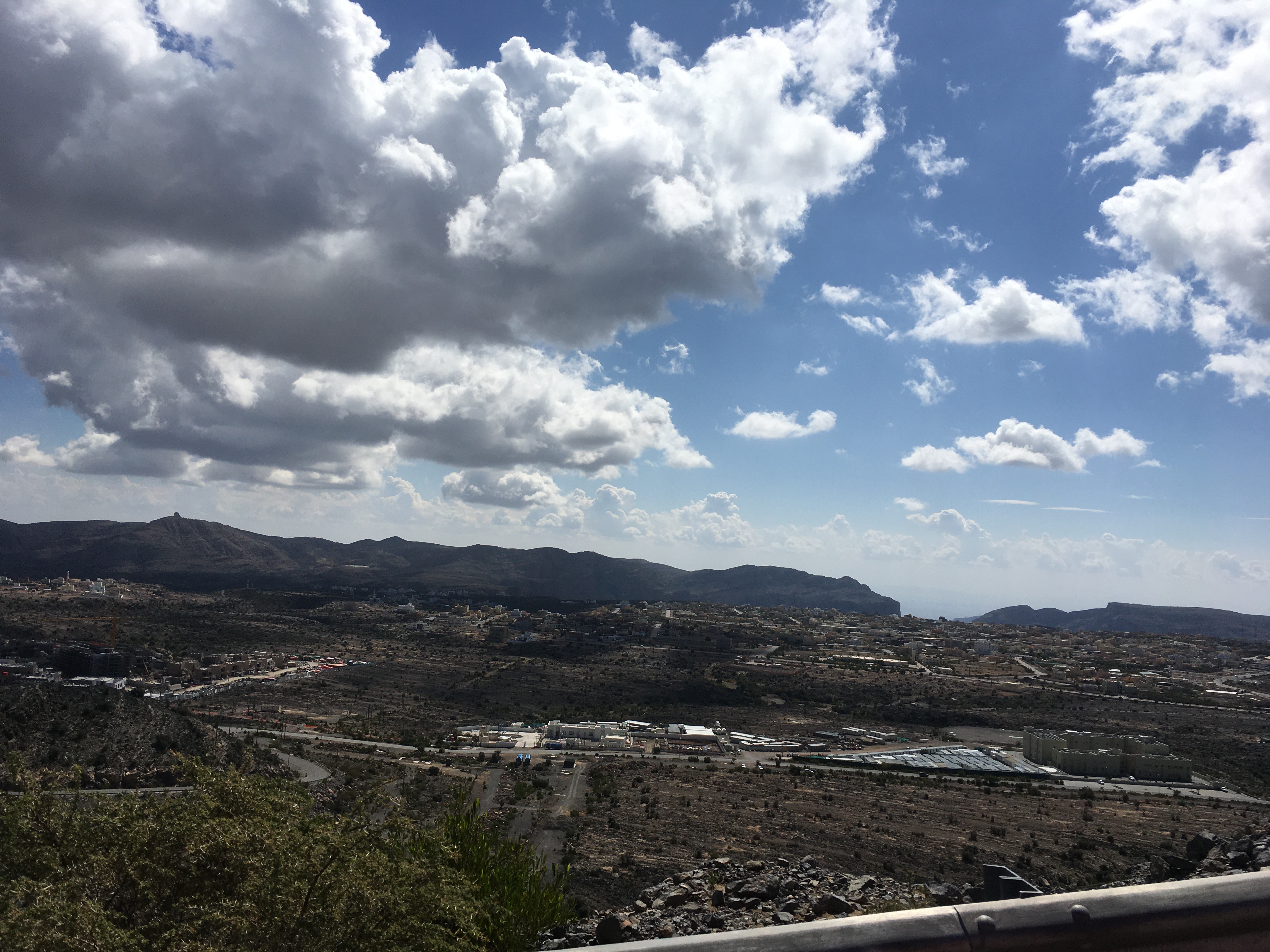
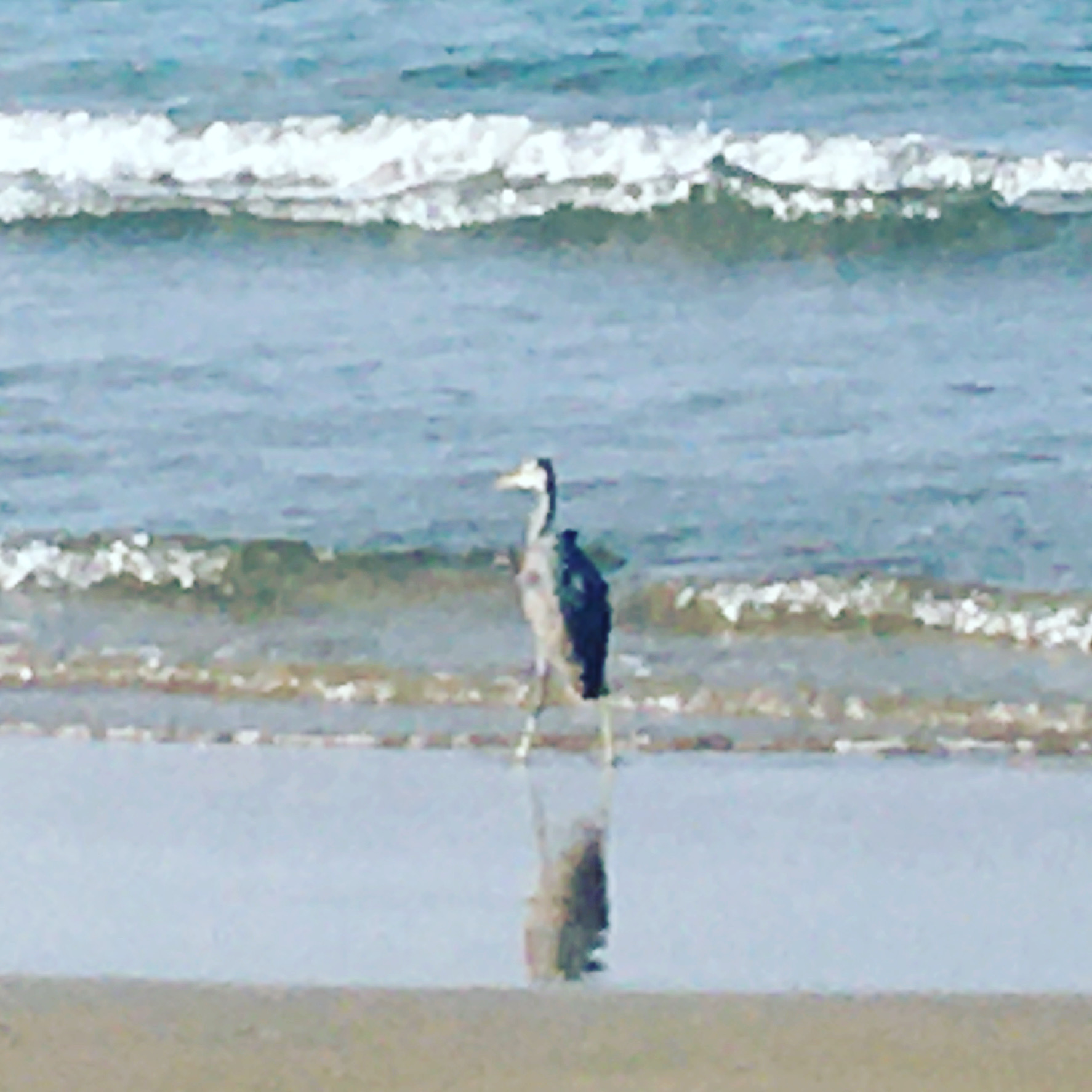
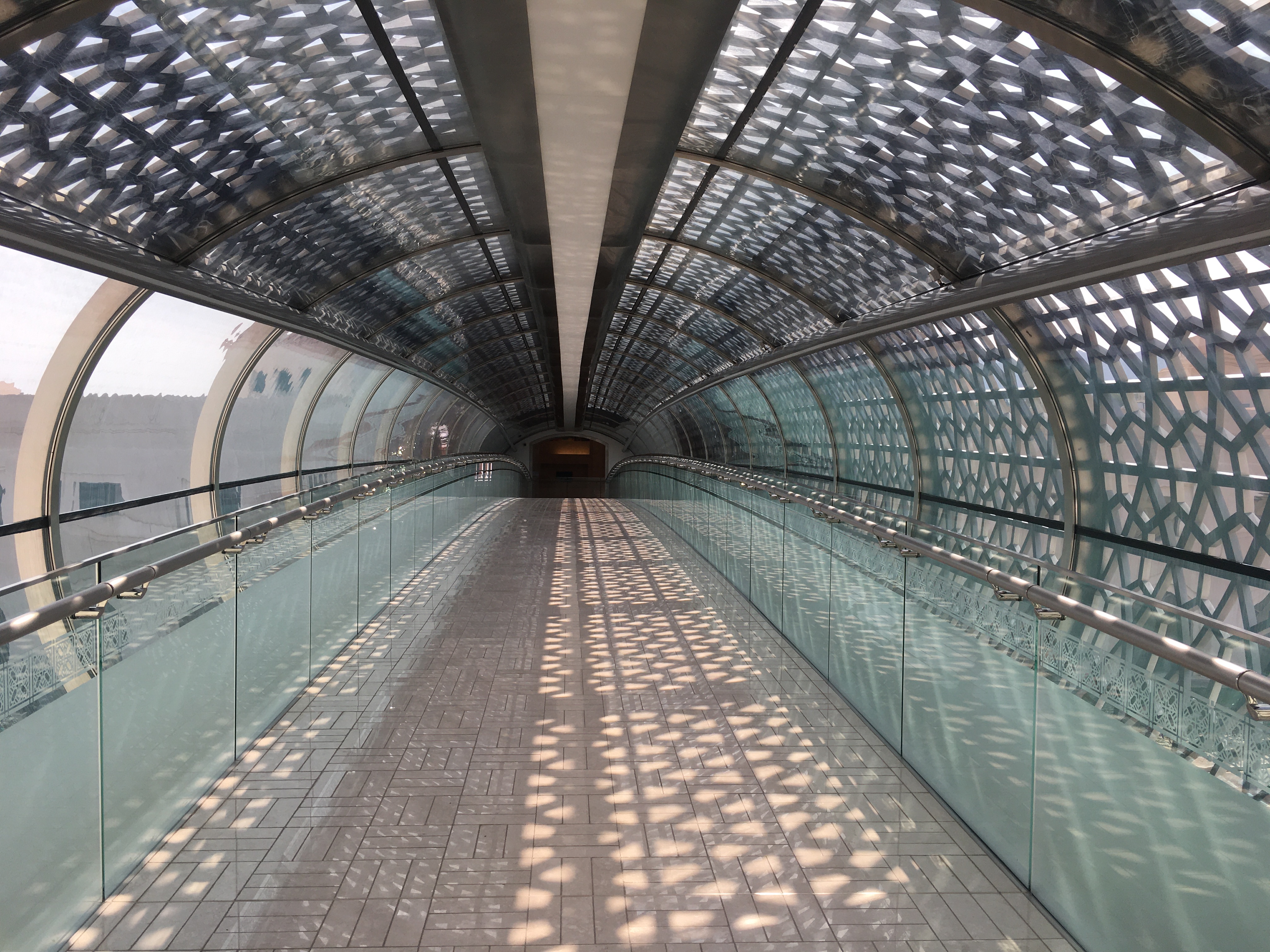
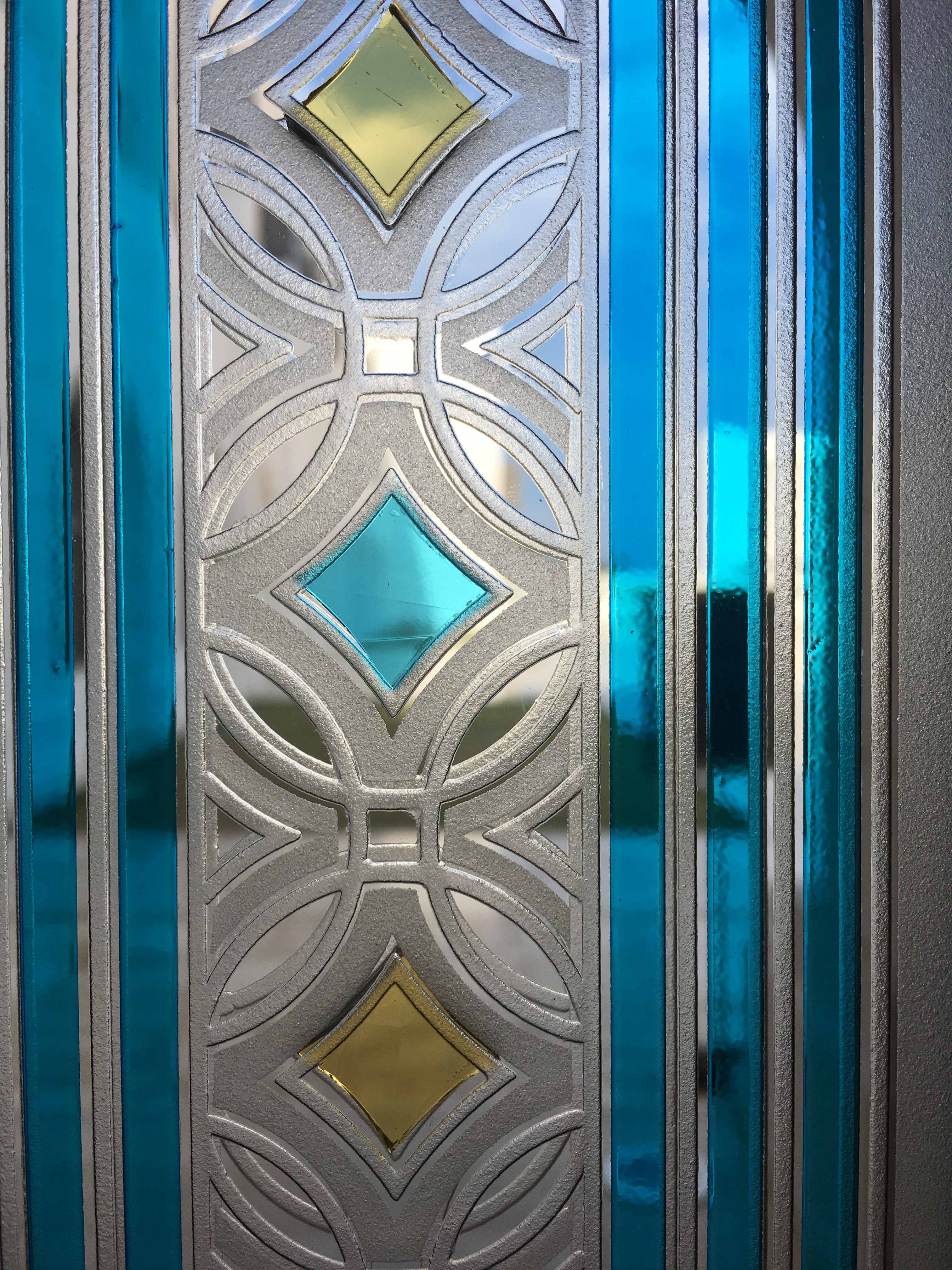
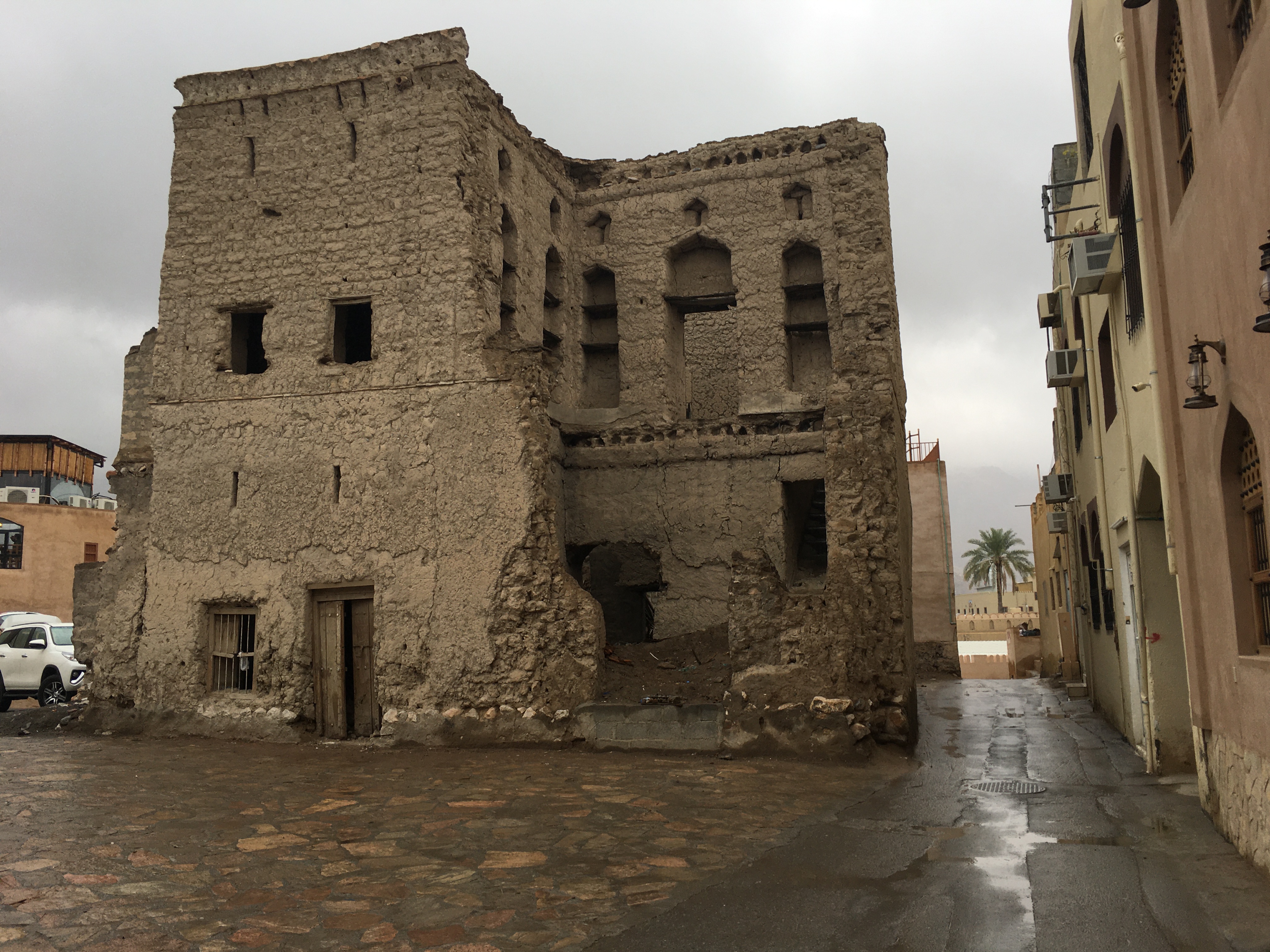
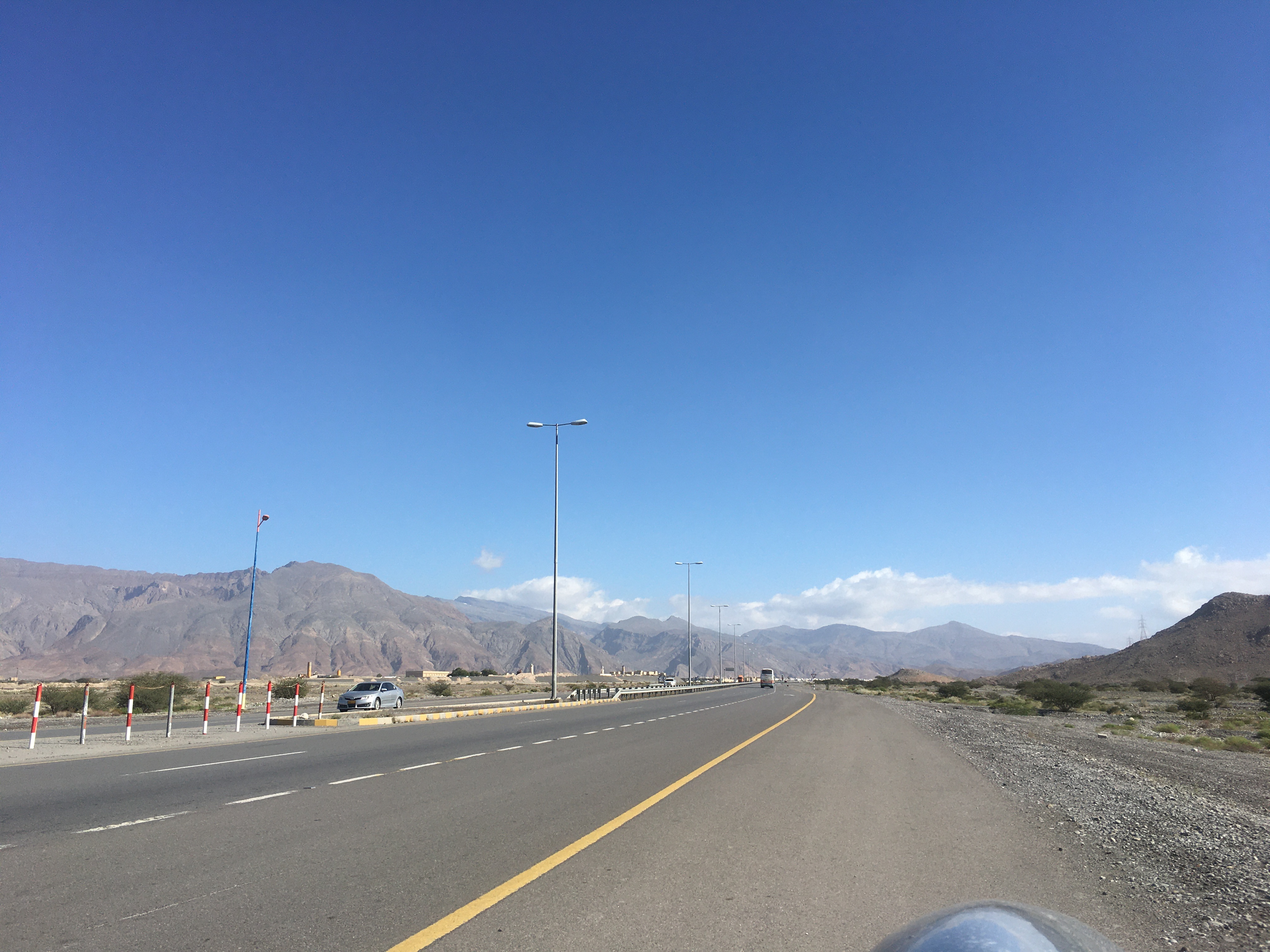
The beachIn the mountainsHigh in the mountainsA heronThe Opera HouseTurquoise windowNizwaThe fort at NizwaThe road inland
In October 2019, I visited Muscat, the capital city of Oman to tutor a student privately in the family home. Muscat is a coastal city on the Persian Gulf and is the capital city of Oman. It is rather expensive and is not as popular a destination for tourists as Dubai. It is most noted for its ruler Sultan Qaboos who has a reputation as a benevolent and moderate figure but in recent years, there has been well-publicised persecution and imprisonment of Omani bloggers since the Arab spring for expressing opinions that would not attract a second glance in the UK. I was short of money and needed the work as a self-employed private tutor. I was recruited for the job by a tuition agency in the UK. I stayed there until March 2020, with a short trip back to the UK in February.
Oman was oppressively hot, even in the middle of October when I arrived. Daytime temperatures were typically in the mid to high thirties, and it was very humid. I used to go running on the beach in the evening. The beach was flat and sandy and extended for miles. It was about a 2 km run to get to the beach where there were plenty of cafes to try. One of my favorite cafes made great hummus. I had access to a car and used to head to a mall about 10 km away where there was a North Indian restaurant that made traditional dishes. But generally, I found life boring there. To start with, I used to socialize with my student’s father in the evenings. We chatted about a lot of different subjects. But after a while, I found him controlling and stopped going. In the five months I was there, I had two days off in the old capital Nizwa and he had me teach his son online on those days.
He employed a Ugandan maid who never had a day off when I was living there. She started sweeping the floor at 6 am and was at his beck and call until 10 pm. For context, slavery in Oman was only abolished in 1970.
The lad I was teaching was seventeen years old and in the final year of high school. He was not doing well and struggling in all subjects. These problems had not arisen overnight. I suspected that he had had an extremely sheltered upbringing. I visited his school on parents’ evenings and to discuss his progress with his teachers. It was clear to me that his teachers in most subjects had been allowing him to completely zone out of participation in lessons. I had severe doubts about the methodology used by the teaching staff. The complete lack of originality and critical thinking present was the source of the problem. The assessment material in mathematics was littered with errors as were the exam papers. I supported him in Mathematics, English, Biology, and Physics. The examinations are in two parts in the final year. They are held in January and July. However, due to COVID, the dates of the first examination session were postponed less than 24 hours before the exams were due to be taken. There was a lot of assessed work too. He told me that he got help with this and was allowed to repeat it until he got it right.
The father was influential and managed to find out in advance from the Ministry of Education what the topics of the Biology exam were to be based on. I found this out from the student, not the father. I was shocked.
He passed all his examinations in January, and the examination session in June was canceled due to the pandemic. The only way I could get him through the exams was through rote learning. He had enough short-term memory for this strategy to work but had absolutely no understanding. I had disagreements with the father because he seemed unwilling to accept that his son had learning difficulties. He suggested career paths for his son such as becoming a pilot for Oman Air, studying cybersecurity, and other highly technical jobs. I tried to make him have more realistic expectations, but it was a struggle. When I wrote to the father to diplomatically explain these problems, he didn’t speak to me for about three days. This happened on two occasions.
The father agreed to pay me a 20% bonus based on his son getting satisfactory results. When these results were achieved, he conveniently forgot about his promises.
The boy had no interests apart from watching YouTube and had no understanding of the world, so it was a challenge. Once, I showed him a picture of Paris taken from the Eiffel Tower in 2001. He was amazed that cars existed in 2001. I also asked him where petrol came from. His father works for the state oil and gas company. He had absolutely no idea. When I pressed him, the best he could come up with was, “from water?” In conclusion, the work filled a gap in my finances, but I would never want to visit or work in Oman again.
I recently came across this website which is a huge repository of films, television programmes, audio books, images and so forth. I listened to “Heart of Darkness” by Joseph Conrad read very well indeed by a gentleman with a hint of an Australian accent. I also watched a François Truffaut film. I recommend it whether you want to watch an old movie, read or listen to a novel or simply have a browse.
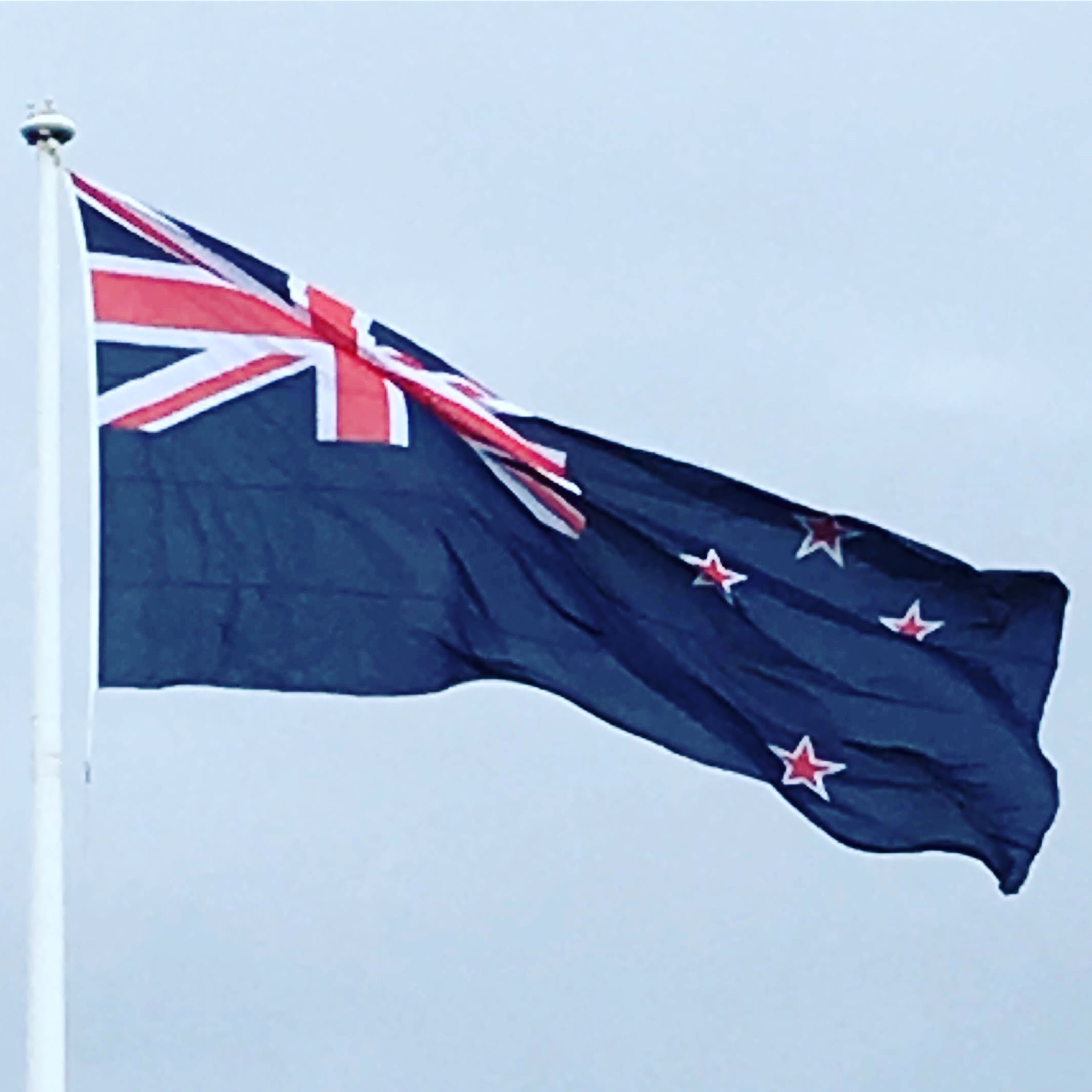
A few years ago, after a holiday in New Zealand, I fell in love with the country and really wanted to move there. I researched the options for emigrating as a qualified teacher and decided to go for it. It was a slow and expensive process. I had to get all my home qualifications certified in New Zealand, get letters from every school I had ever worked in to confirm my employment and get an expensive medical examination. I went through an agency. They offered some different schools and I decided on one in Auckland. It seemed like a decent school. I had a Skype interview for the job.
Time passed and I must have spent in the region of £2000 on visa fees and other fees. Finally my visa came through. I was quite anxious about starting in a new country even though I have worked overseas a lot in the past. There was also the added worry that my stepfather was elderly and had dementia. I had really wanted my son (who was 20 at the time) to join me but he did not seem interested. He was on a working holiday visa in New Zealand at the time and had decided to do the same in Australia. So I was on my own.
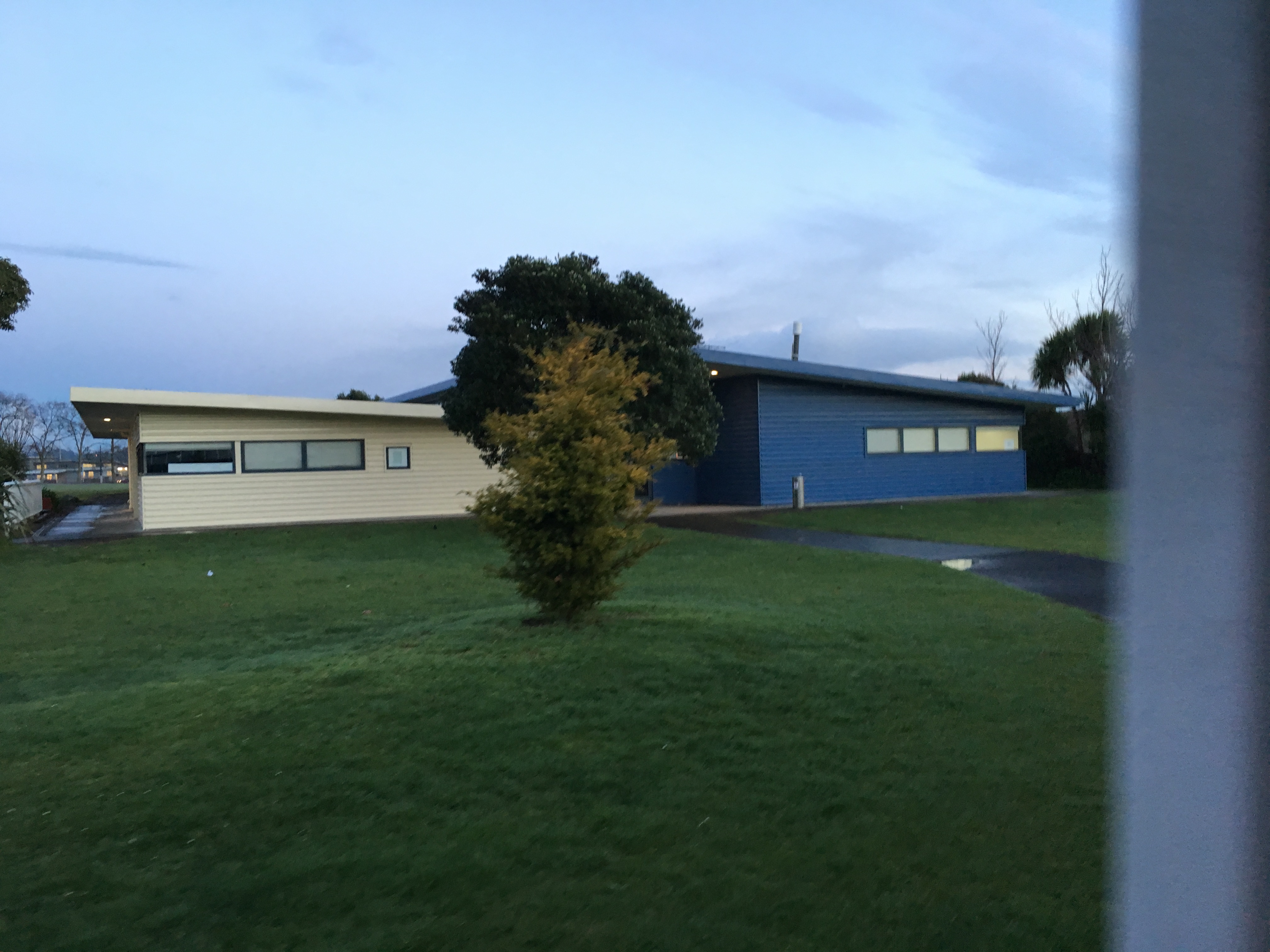
My new school in Auckland. I started in July 2018.On the way south in 2017
Furthermore I had not taught in schools for some years. I had instead been private tutoring and I was not prepared for the behaviour I would encounter.
I decided to have a bit of a holiday in NZ before starting work. I arrived in country about 5 weeks before the start of the new term. I met the staff as it was the end of term and they were still in school. I met one of the teachers whose year 9 class I would be taking over as she was going on maternity leave. She proceeded to tell me how I would not be able to cope with the kids in her class and went through a list of all their problems. It was all very off-putting.
I had a lovely holiday and drove all the way down to Wanaka on the South Island, stopping at Fox Glacier to see friends..
I was renting an Airbnb in Auckland while I began to seek out a place to live. I was depressed by the cost of some of the accommodation and what I could afford was very pokey indeed. The school was in Henderson, a deprived area of Auckland. In fact all I read in the local newspaper was about the high levels of crime and gang violence.
I had been taking antidepressants for many years. But I had decided to make a clean break and stop taking them. I had not realised how difficult this would be. I had also not declared this to the school (that I was on antidepressants). So sue me.
The new term was approaching and I was about to start my new job. I felt strangely detached and yet at the same time quite anxious. The staff in my department (science) were lovely and very supportive. But as I took on each of my new classes, I was concerned at the low standards and very poor behaviour. Sone kids in my year 9 class constantly tapped on the metal legs of their desks and that was when they weren’t shouting unprintable obscenities at each other. I felt that I was losing control and by the second week this was happening in two of my classes. I had to ask for help from the year 9 pastoral head. By the end of Tuesday of the second week I ended the day so depressed that I just wanted the ground to open up and swallow me. I was mostly concerned at the reaction of other teachers as I could only see things getting worse with these classes. I was on my own in the country so I had no-one outside of the school to talk to.
I went home that day feeling empty and just knew that I couldn’t cope at this school. That evening I stayed up late thinking about the predicament I was in. I booked myself onto a flight at 8am the following morning and went half way round the world to get home again. At the airport, I had to dump a lot of my possessions as I was over my weight allowance. In the bin went my tent, sleeping bag and a load of my clothes.
I had even shipped all my worldly possessions out to New Zealand at great expense.
Once I was about to board my flight I emailed the school to tell them the truth. I was so ashamed.
The whole experience cost me the best part of £10 000. I decided to leave so abruptly because I thought that they would try to persuade me to stay otherwise.
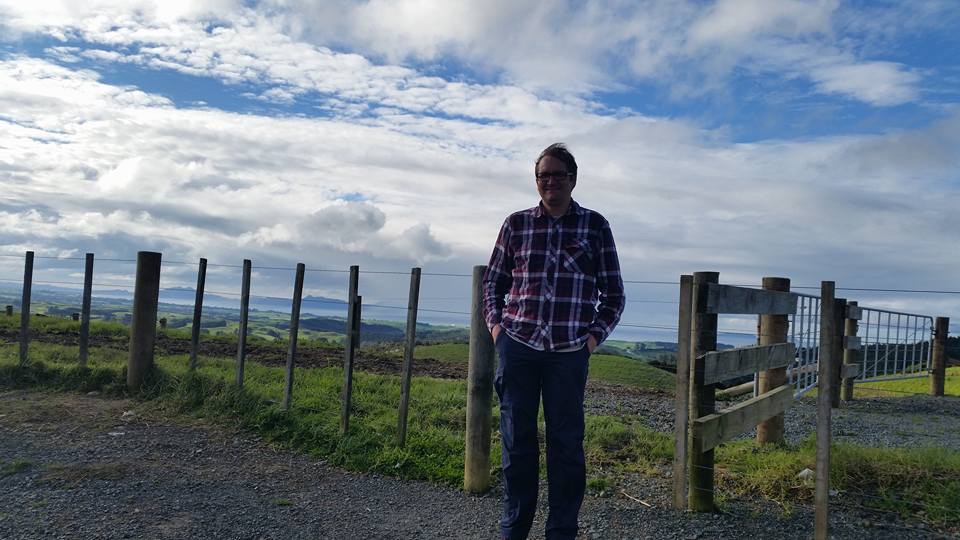
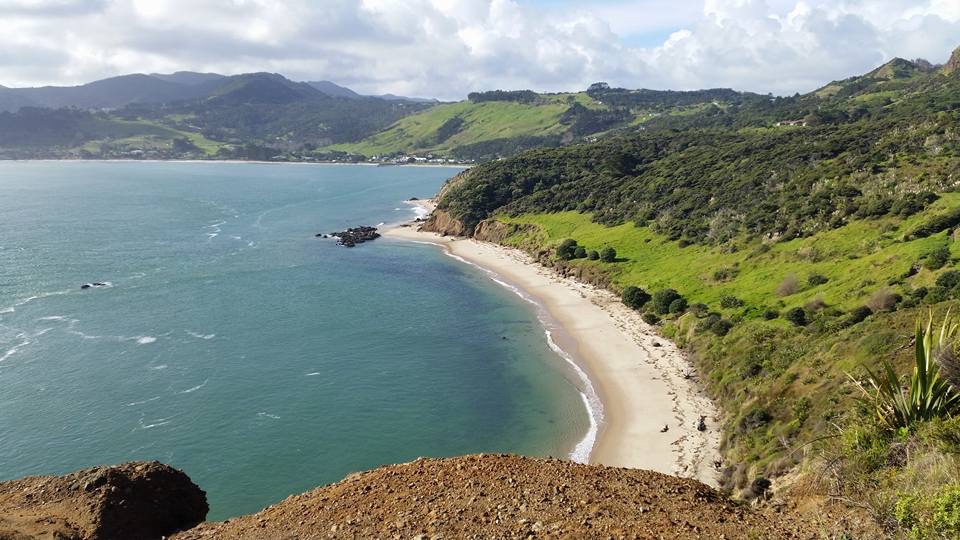
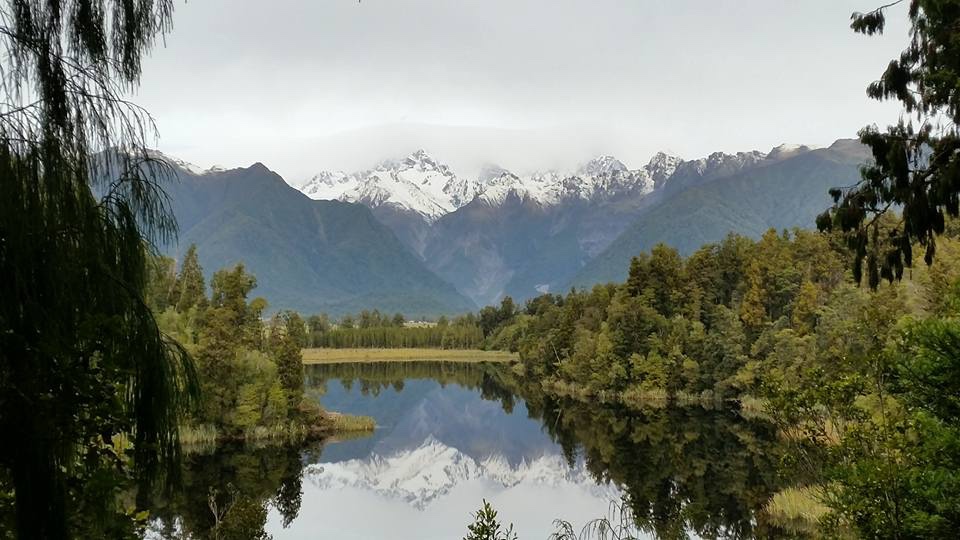
A beach viewView from a still lake towards Mount Cook.My son Paddy in 2017
I had to return later that year to collect my possessions which had followed me to New Zealand. I could not afford to ship everything back so when I returned, I sold most of my possessions (bookcases, books, a bed, mattresses, a whole load of kitchen appliances, furniture, lamps, my TV, a full-sized desk, you name it.) I gave away my entire CD collection and more to charity shops. I even threw away my entire collection of exercise books from my school days. I shipped a fraction of what I had sent back home. Then much of what I shipped home got pilfered by the shipping company.
It took me two years to get up the courage to write to my former head of department to apologise. She said that they had been worried about me.
It was a learning experience for me and a very tough one. Not only was it a big financial hit for me, but I had failed. I was very embarrassed about the whole thing. No more teaching in schools for me.
On my return, I stayed in a friend’s static caravan in Folkestone while I got my private tuition business up and running again.
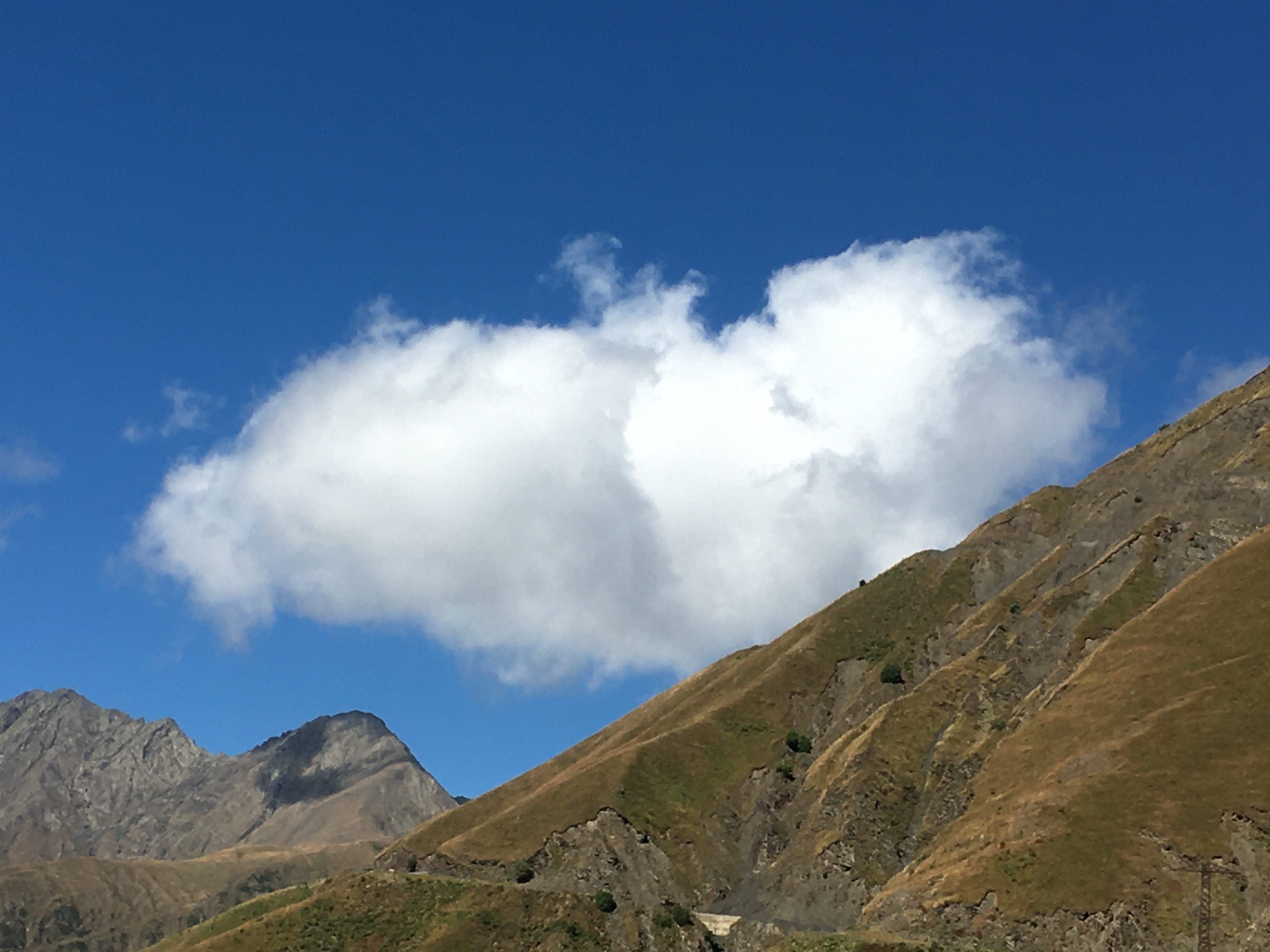
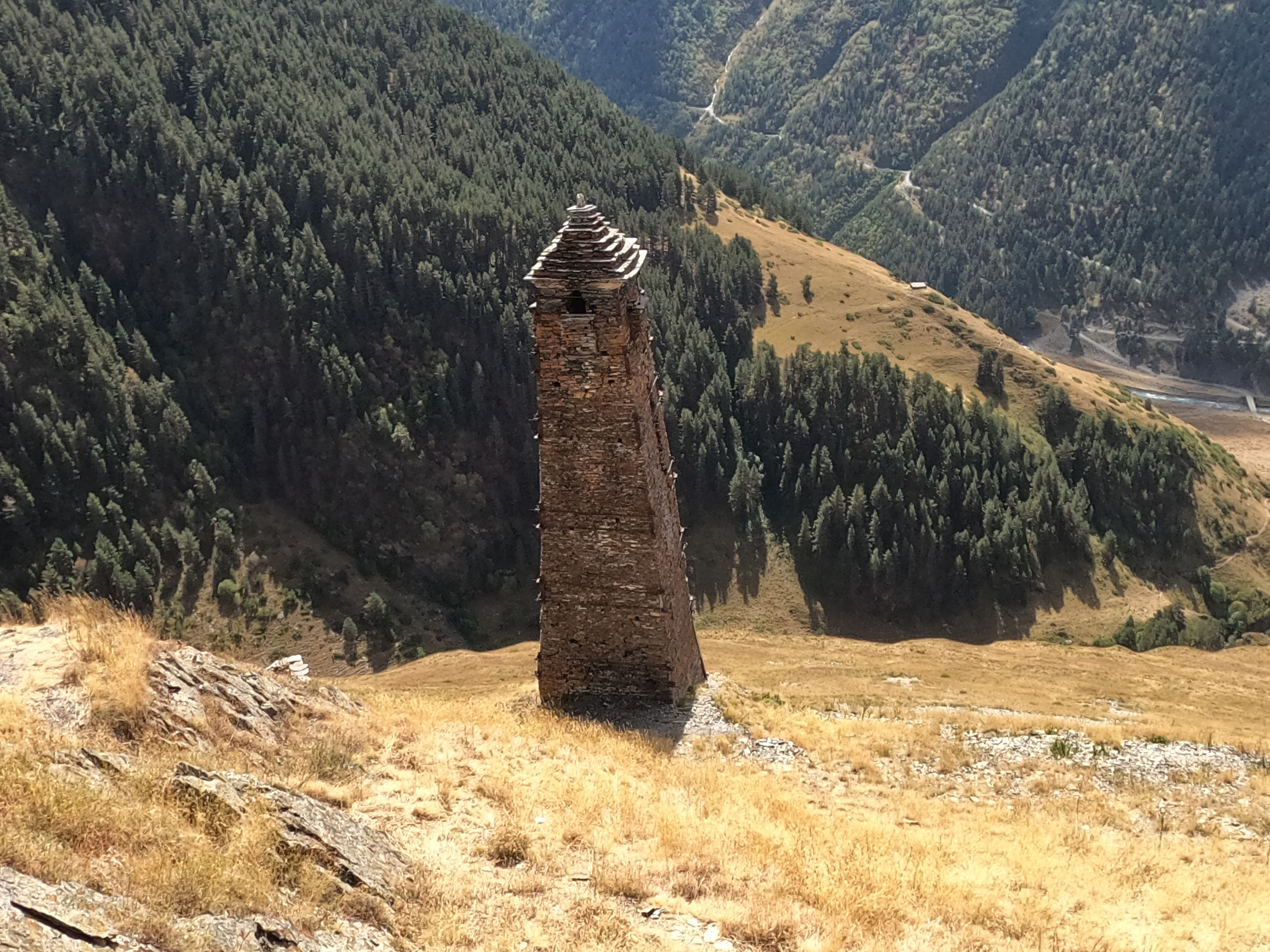
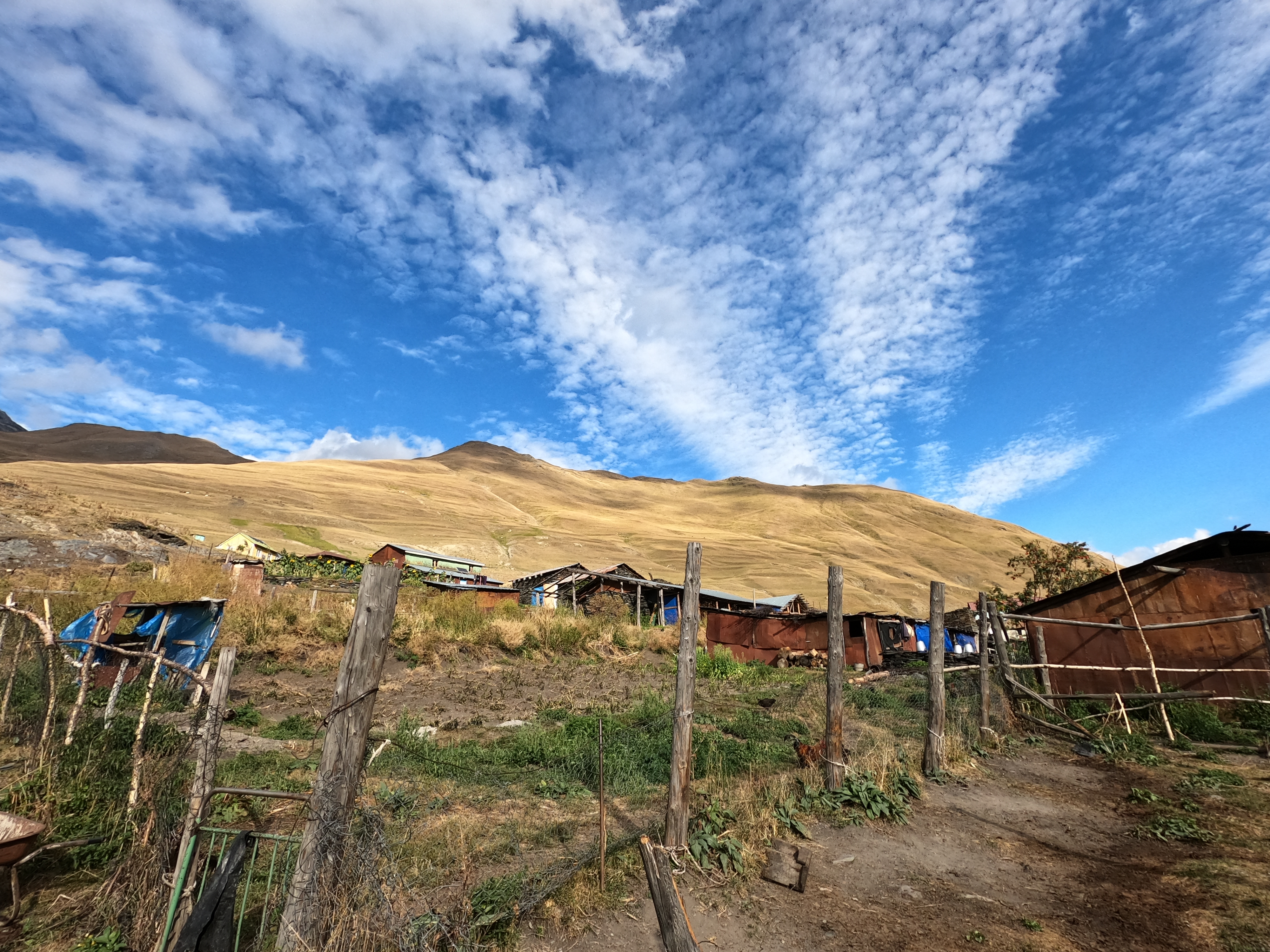
I visited Tusheti in early September 2022. To reach this northerly region of Georgia, you drive for about 2 1/2 hours before reaching a dirt road at Pshaveli. From here, you need a 4WD vehicle to take you over the Abano Pass at 2850 m above sea level.
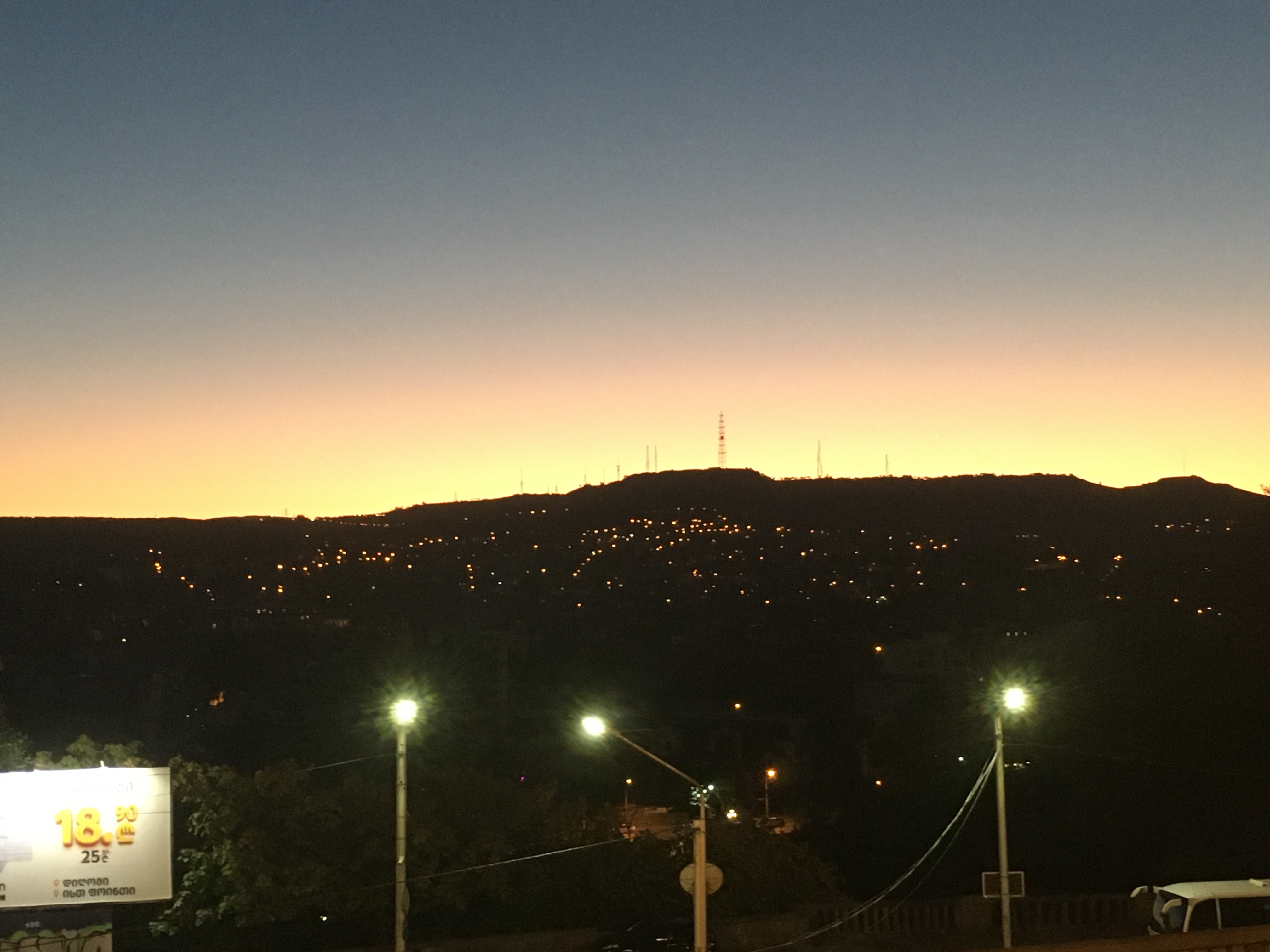
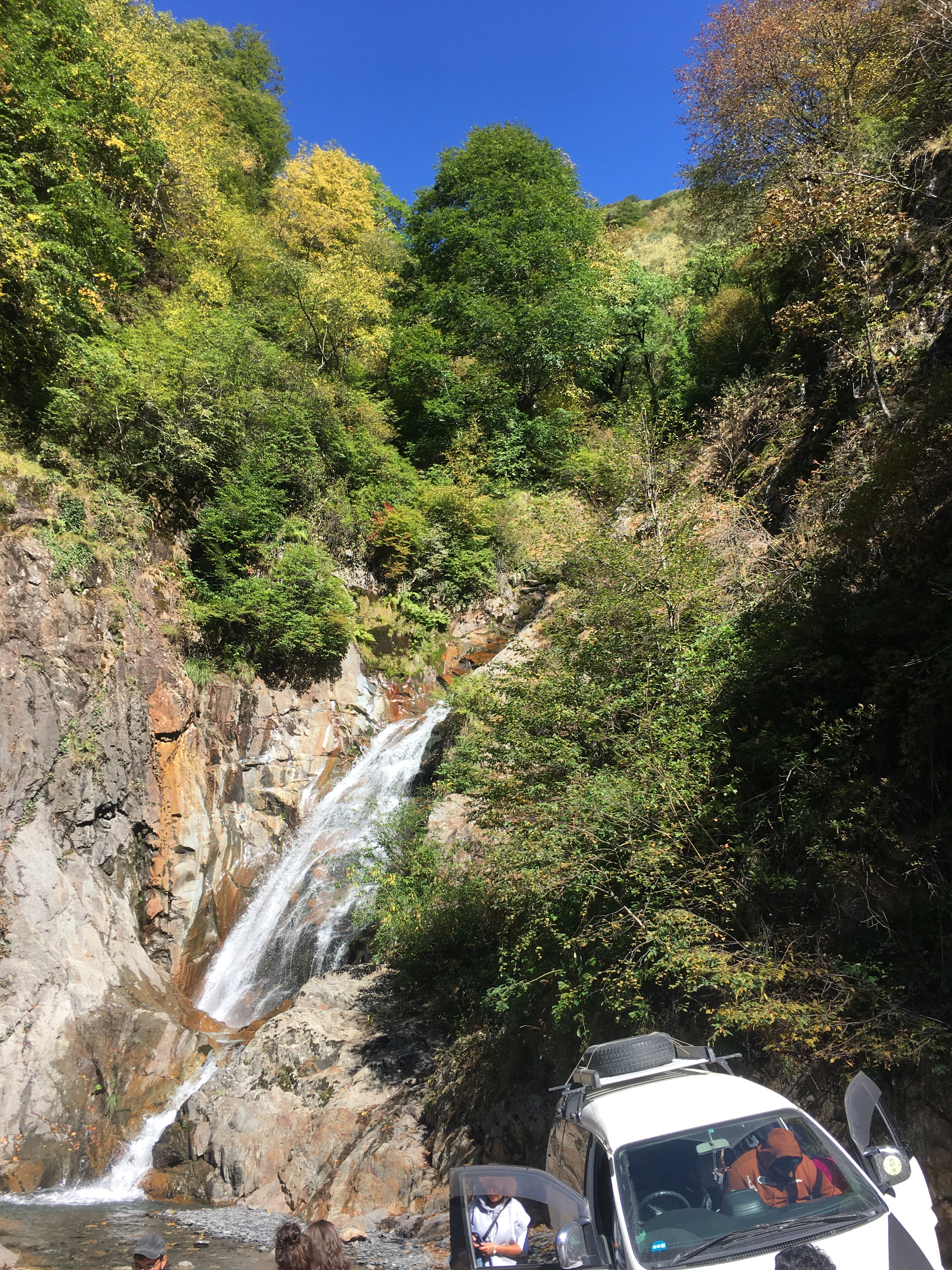
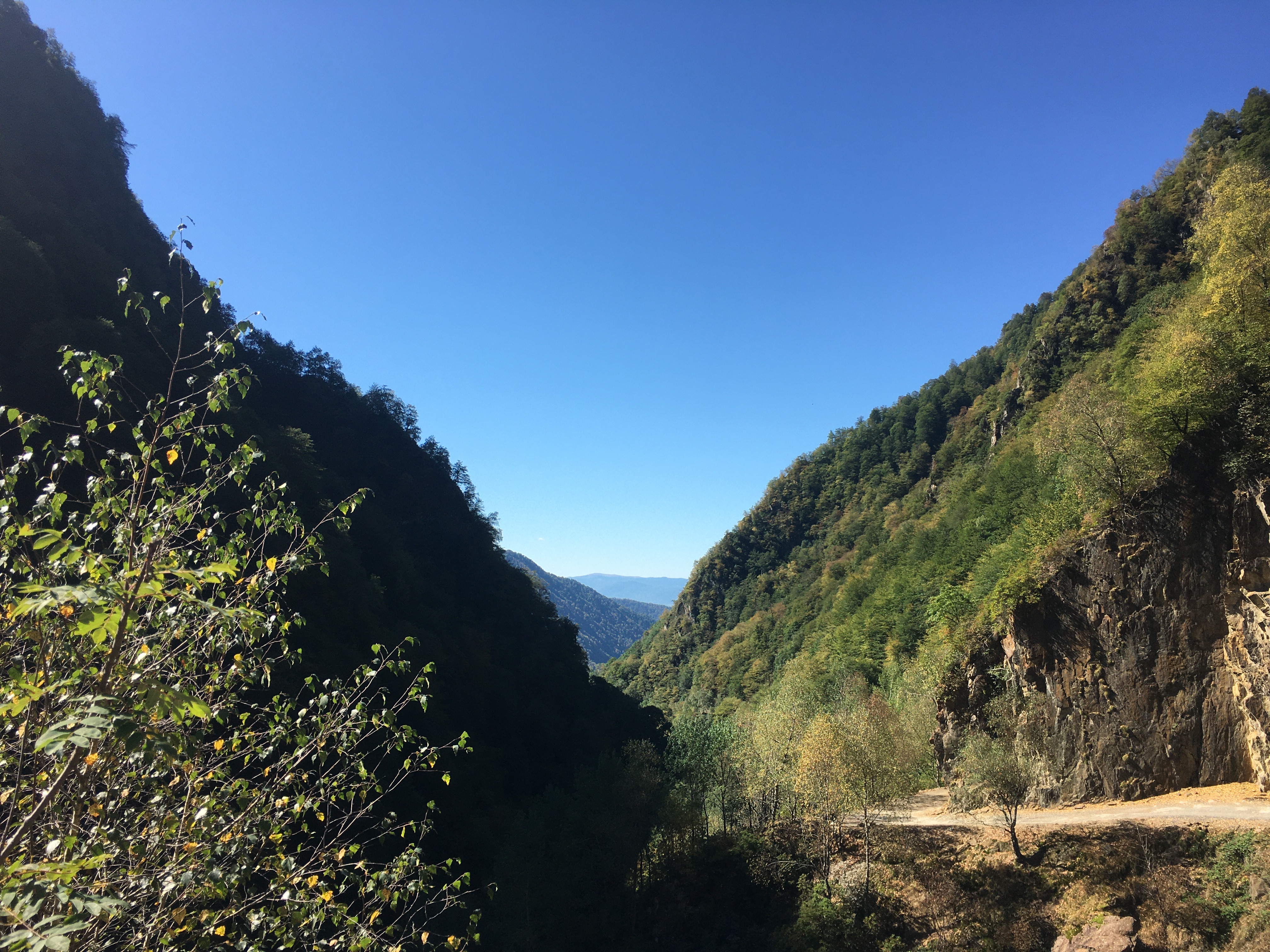
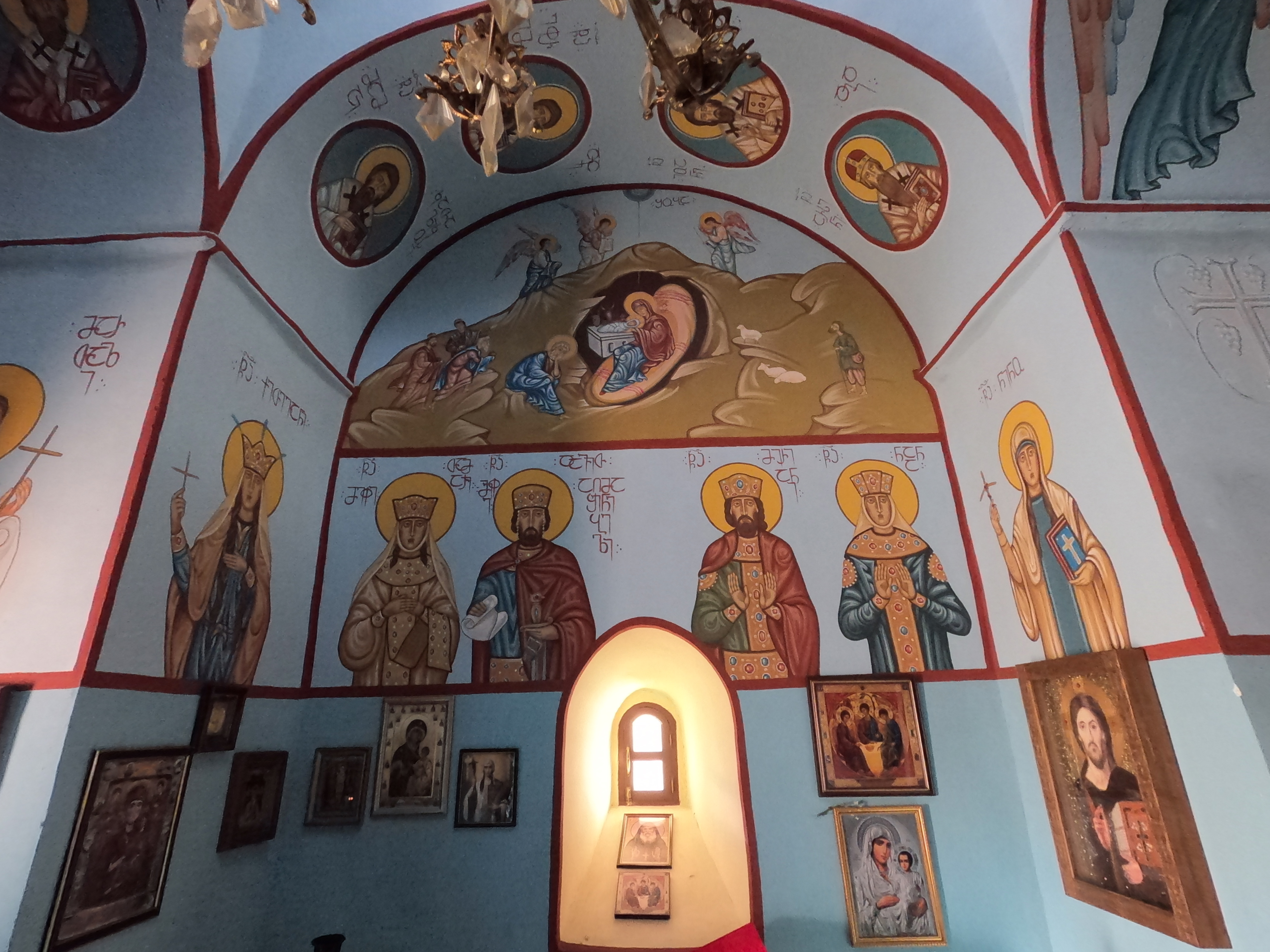
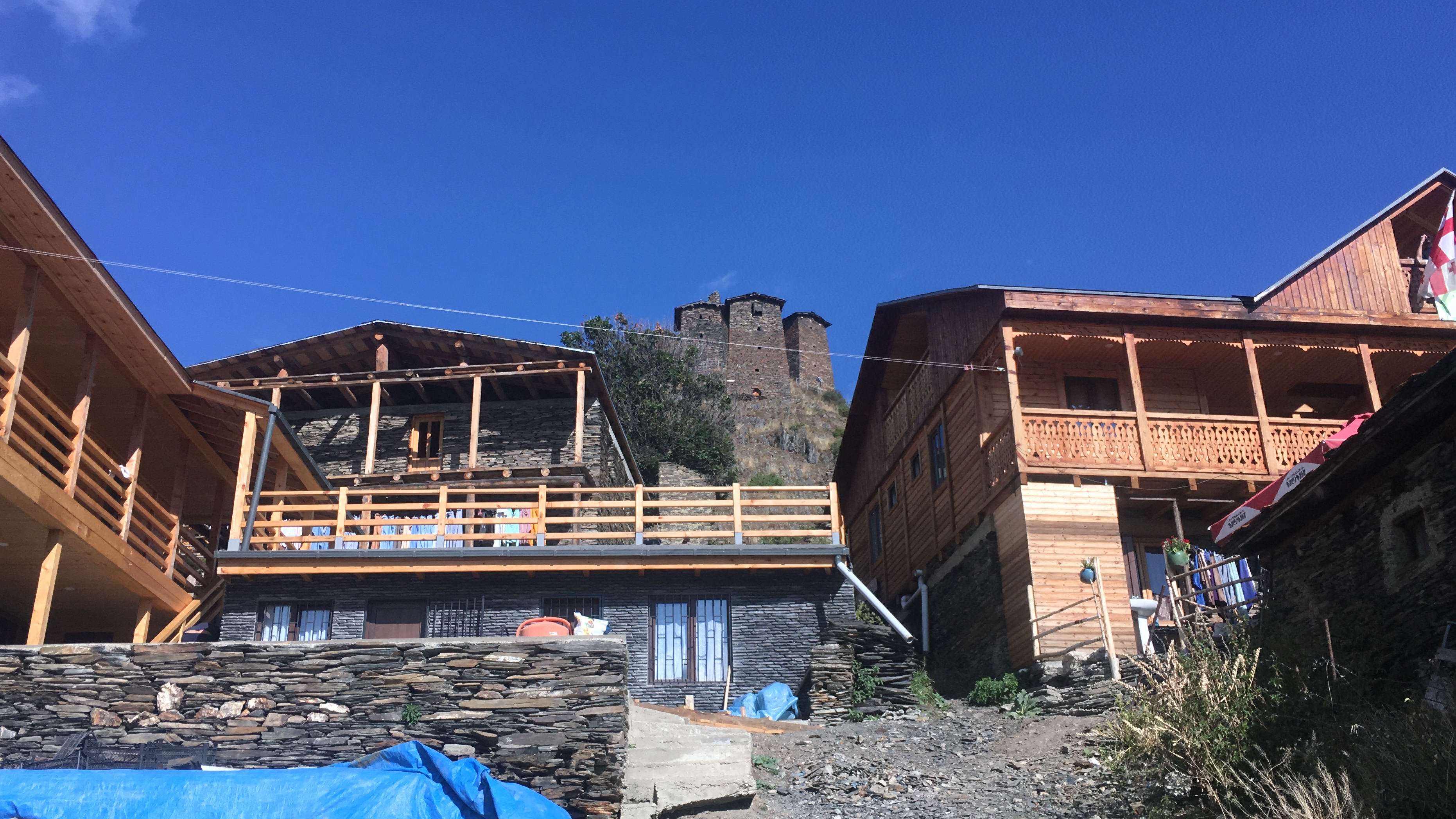
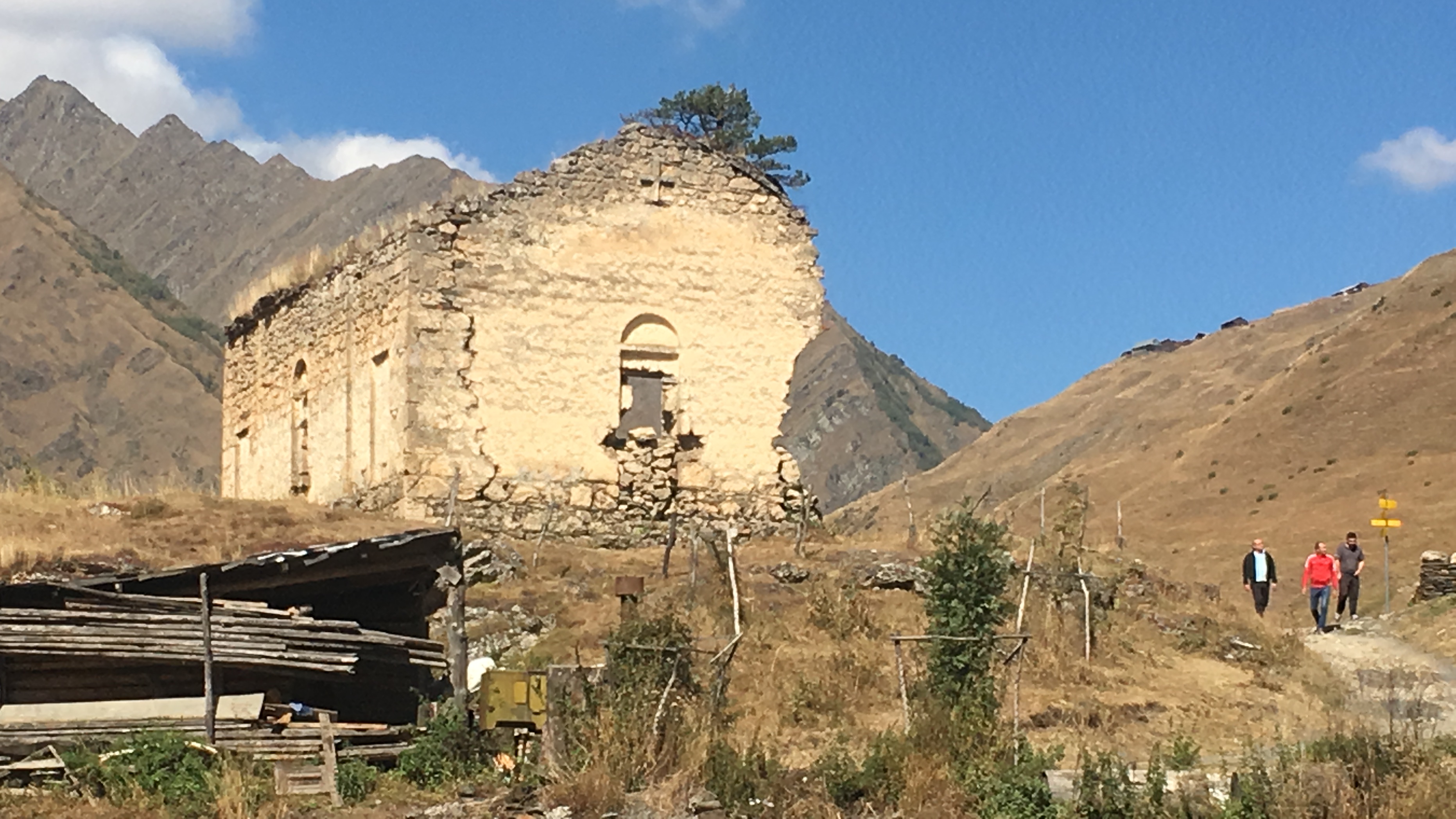
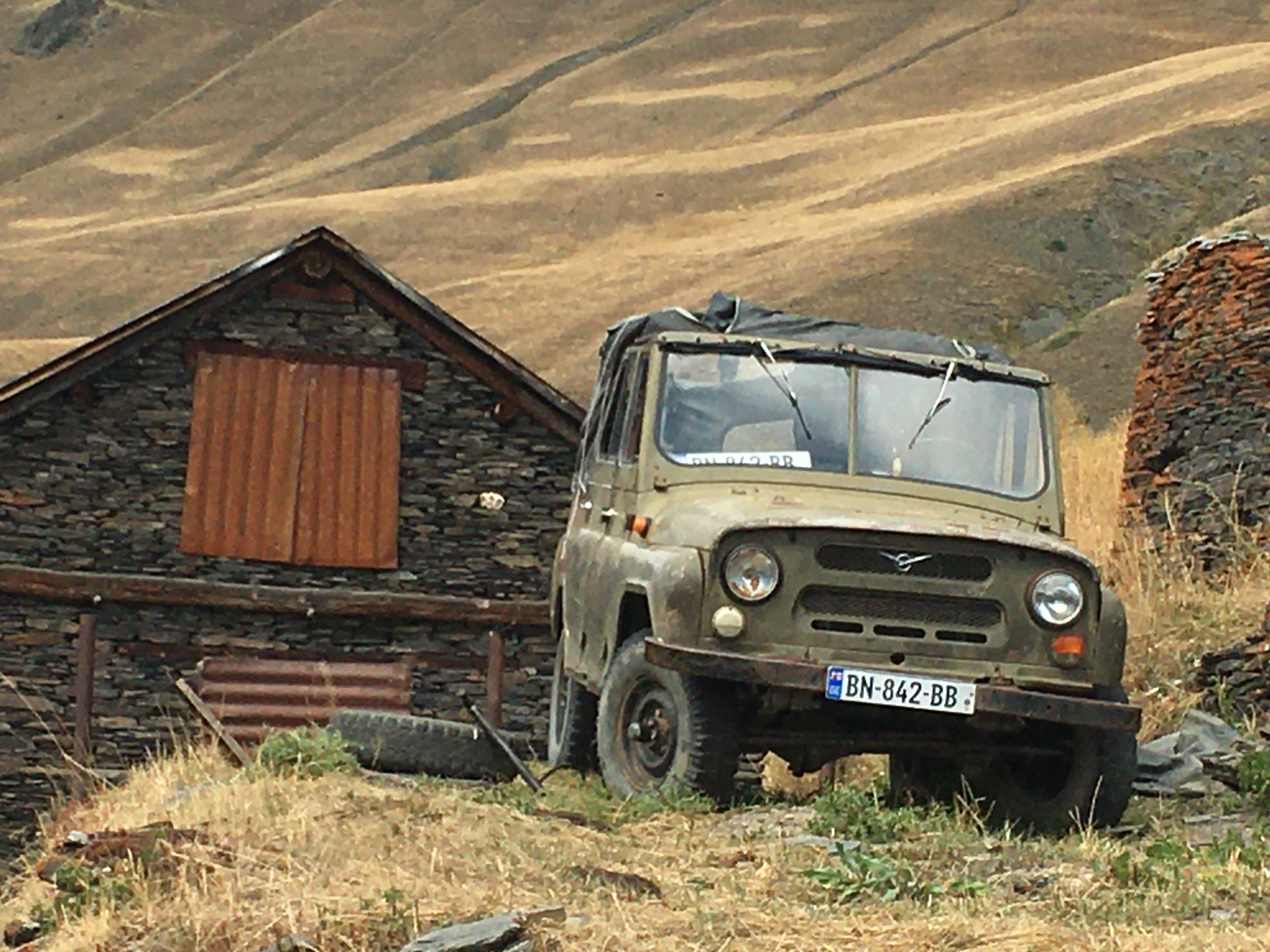
Dawn in TbilisiOn our way to Abano PassLooking back southNearly at the topA Tusheti churchOmaloDartloDartloAbove DartloCheshoAn old Russian jeep
The weather was dry and in fact there had been very little rain this summer. The region is cut off from the rest of Georgia in the winter and only a few shepherds stay here then. Access in winter is only possible by helicopter because the dirt road is impassable.









 Meanderings of a peripatetic maths teacher