
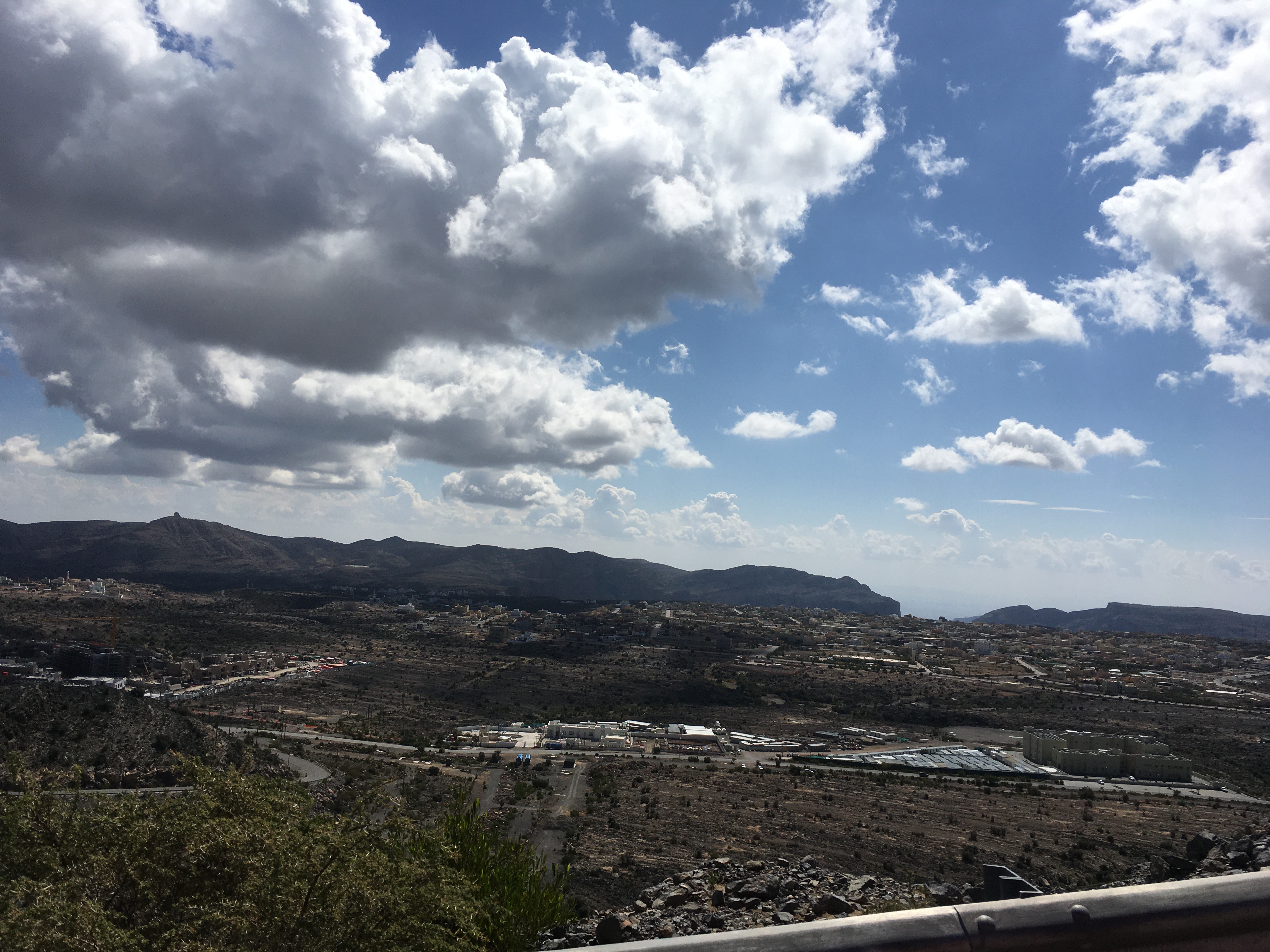

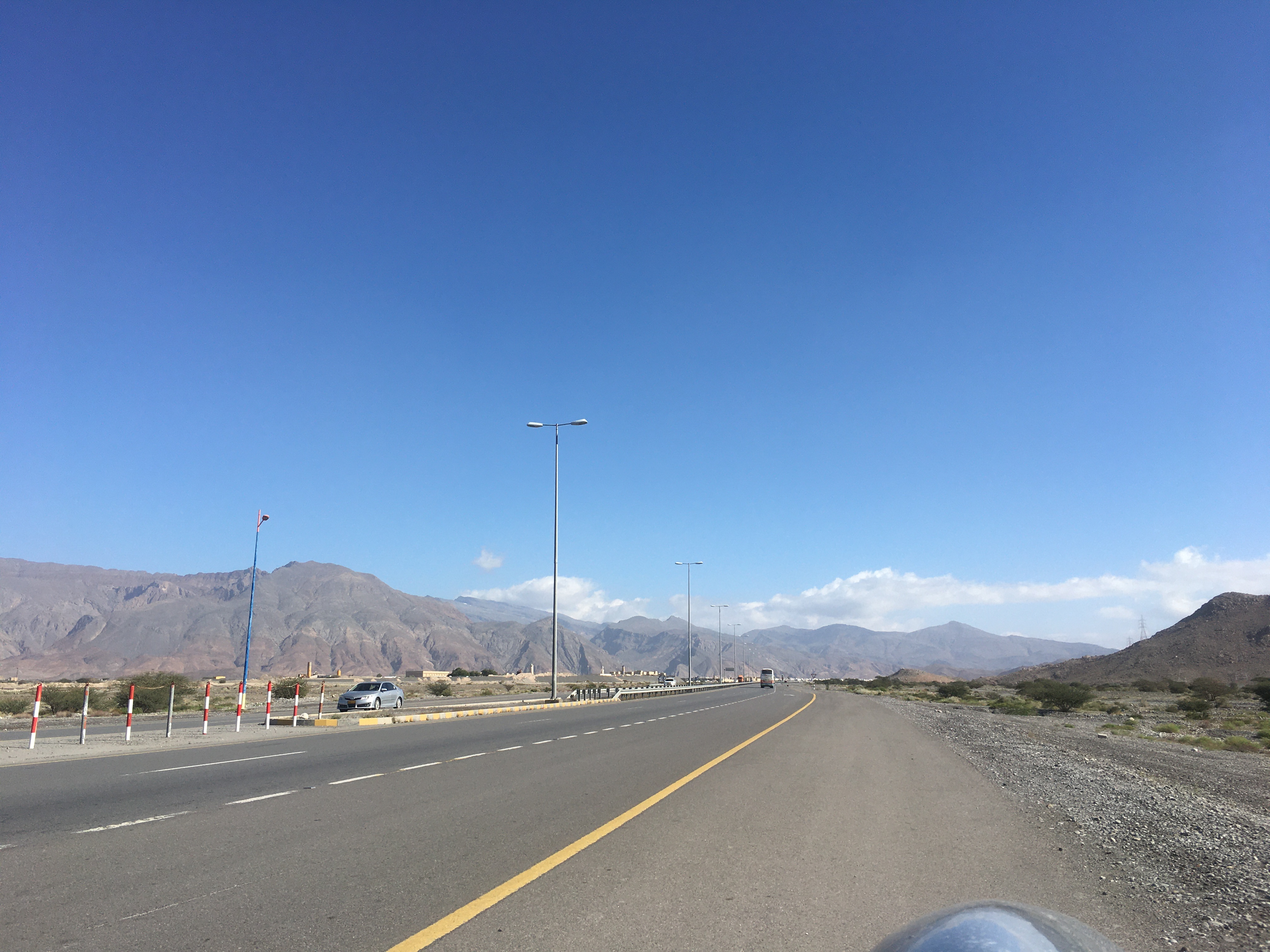
In October 2019, I visited Muscat, the capital city of Oman to tutor a student privately in the family home. Muscat is a coastal city on the Persian Gulf and is the capital city of Oman. It is rather expensive and is not as popular a destination for tourists as Dubai. It is most noted for its ruler Sultan Qaboos who has a reputation as a benevolent and moderate figure but in recent years, there has been well-publicised persecution and imprisonment of Omani bloggers since the Arab spring for expressing opinions that would not attract a second glance in the UK. I was short of money and needed the work as a self-employed private tutor. I was recruited for the job by a tuition agency in the UK. I stayed there until March 2020, with a short trip back to the UK in February.
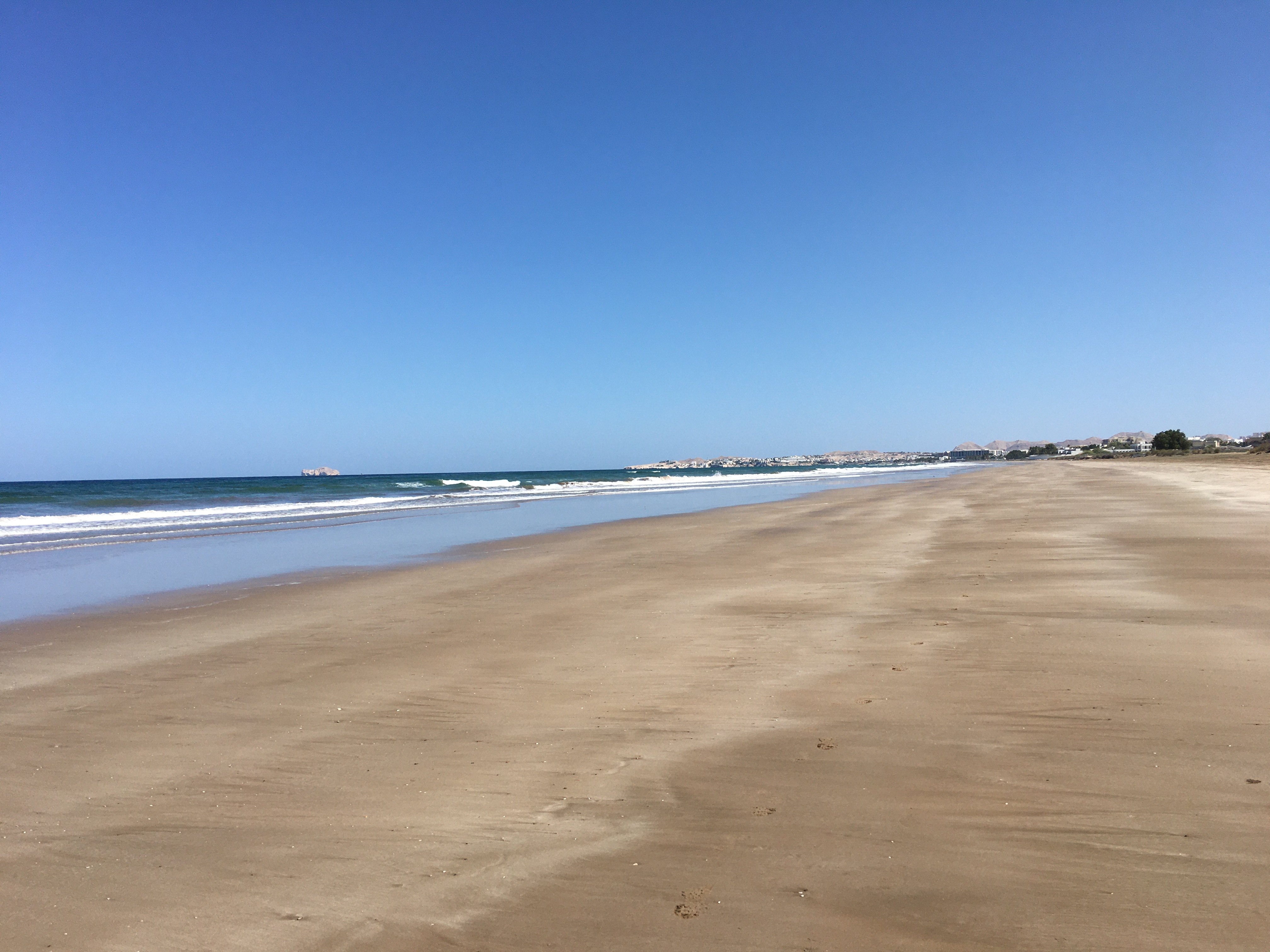
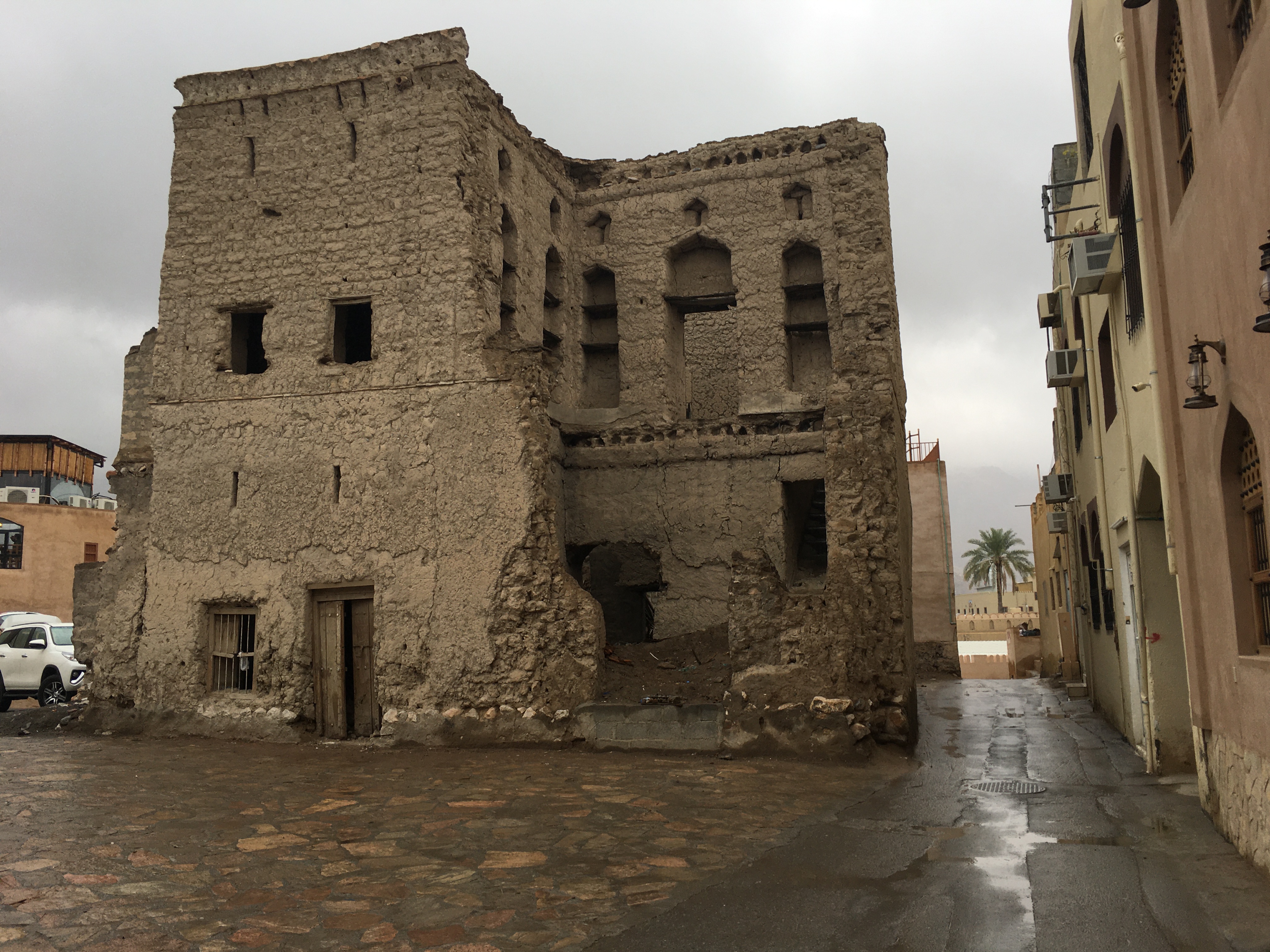
Oman was oppressively hot, even in the middle of October when I arrived. Daytime temperatures were typically in the mid to high thirties, and it was very humid. I used to go running on the beach in the evening. The beach was flat and sandy and extended for miles. It was about a 2 km run to get to the beach where there were plenty of cafes to try. One of my favorite cafes made great hummus. I had access to a car and used to head to a mall about 10 km away where there was a North Indian restaurant that made traditional dishes. But generally, I found life boring there. To start with, I used to socialize with my student’s father in the evenings. We chatted about a lot of different subjects. But after a while, I found him controlling and stopped going. In the five months I was there, I had two days off in the old capital Nizwa and he had me teach his son online on those days.
He employed a Ugandan maid who never had a day off when I was living there. She started sweeping the floor at 6 am and was at his beck and call until 10 pm. For context, slavery in Oman was only abolished in 1970.
The lad I was teaching was seventeen years old and in the final year of high school. He was not doing well and struggling in all subjects. These problems had not arisen overnight. I suspected that he had had an extremely sheltered upbringing. I visited his school on parents’ evenings and to discuss his progress with his teachers. It was clear to me that his teachers in most subjects had been allowing him to completely zone out of participation in lessons. I had severe doubts about the methodology used by the teaching staff. The complete lack of originality and critical thinking present was the source of the problem. The assessment material in mathematics was littered with errors as were the exam papers. I supported him in Mathematics, English, Biology, and Physics. The examinations are in two parts in the final year. They are held in January and July. However, due to COVID, the dates of the first examination session were postponed less than 24 hours before the exams were due to be taken. There was a lot of assessed work too. He told me that he got help with this and was allowed to repeat it until he got it right.
The father was influential and managed to find out in advance from the Ministry of Education what the topics of the Biology exam were to be based on. I found this out from the student, not the father. I was shocked.
He passed all his examinations in January, and the examination session in June was canceled due to the pandemic. The only way I could get him through the exams was through rote learning. He had enough short-term memory for this strategy to work but had absolutely no understanding. I had disagreements with the father because he seemed unwilling to accept that his son had learning difficulties. He suggested career paths for his son such as becoming a pilot for Oman Air, studying cybersecurity, and other highly technical jobs. I tried to make him have more realistic expectations, but it was a struggle. When I wrote to the father to diplomatically explain these problems, he didn’t speak to me for about three days. This happened on two occasions.
The father agreed to pay me a 20% bonus based on his son getting satisfactory results. When these results were achieved, he conveniently forgot about his promises.
The boy had no interests apart from watching YouTube and had no understanding of the world, so it was a challenge. Once, I showed him a picture of Paris taken from the Eiffel Tower in 2001. He was amazed that cars existed in 2001. I also asked him where petrol came from. His father works for the state oil and gas company. He had absolutely no idea. When I pressed him, the best he could come up with was, “from water?” In conclusion, the work filled a gap in my finances, but I would never want to visit or work in Oman again.
 Meanderings of a peripatetic maths teacher