Teaching in Oman

In October 2019, I visited Muscat, the capital city of Oman to tutor a student privately in the family home. Muscat is a coastal city on the Persian Gulf and is the capital city of Oman. It is rather expensive and is not as popular a destination for tourists as Dubai. It is most noted for its ruler Sultan Qaboos who has a reputation as a benevolent and moderate figure but in recent years, there has been well-publicised persecution and imprisonment of Omani bloggers since the Arab spring for expressing opinions that would not attract a second glance in the UK. I was short of money and needed the work as a self-employed private tutor. I was recruited for the job by a tuition agency in the UK. I stayed there until March 2020, with a short trip back to the UK in February.

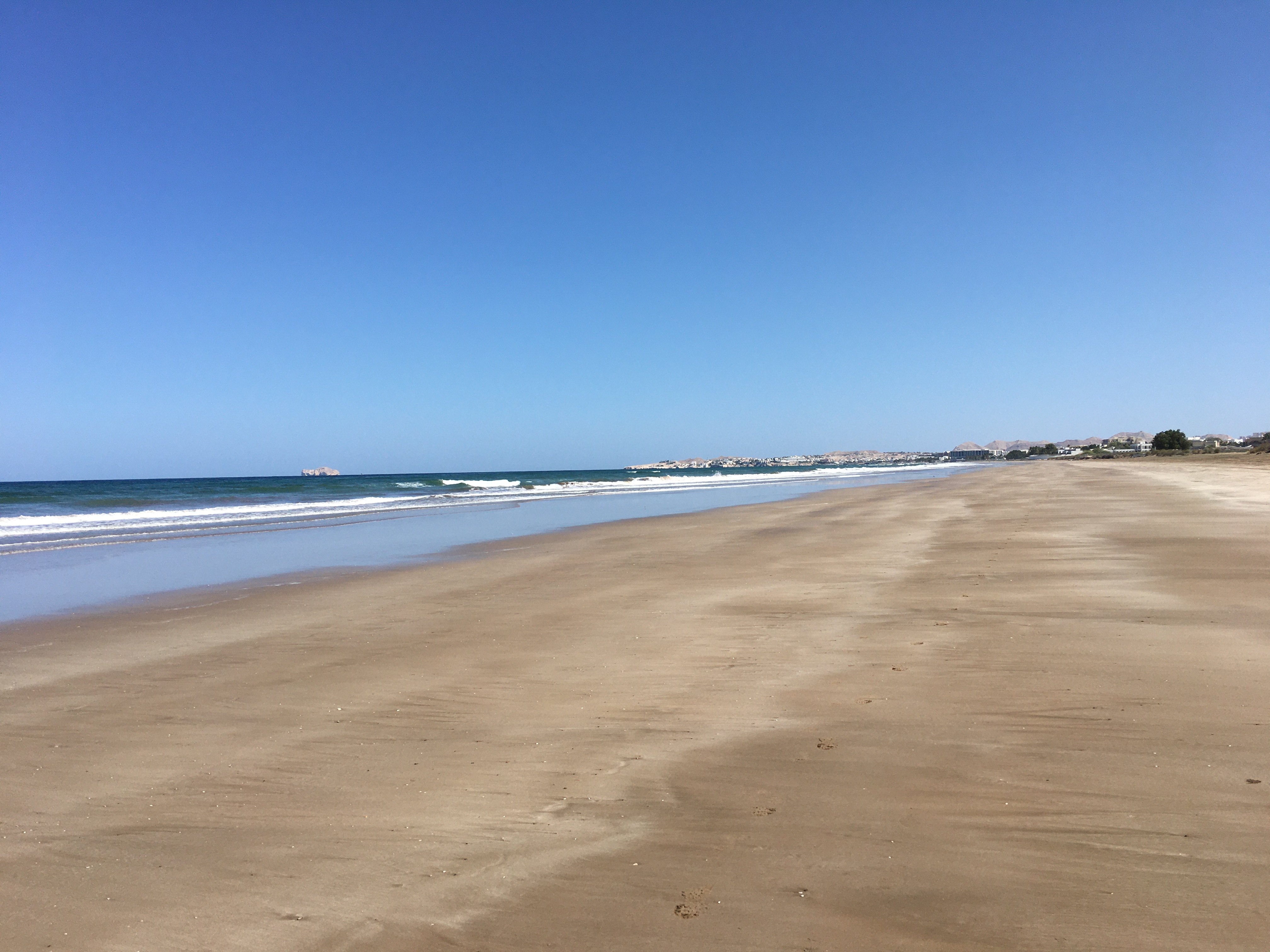
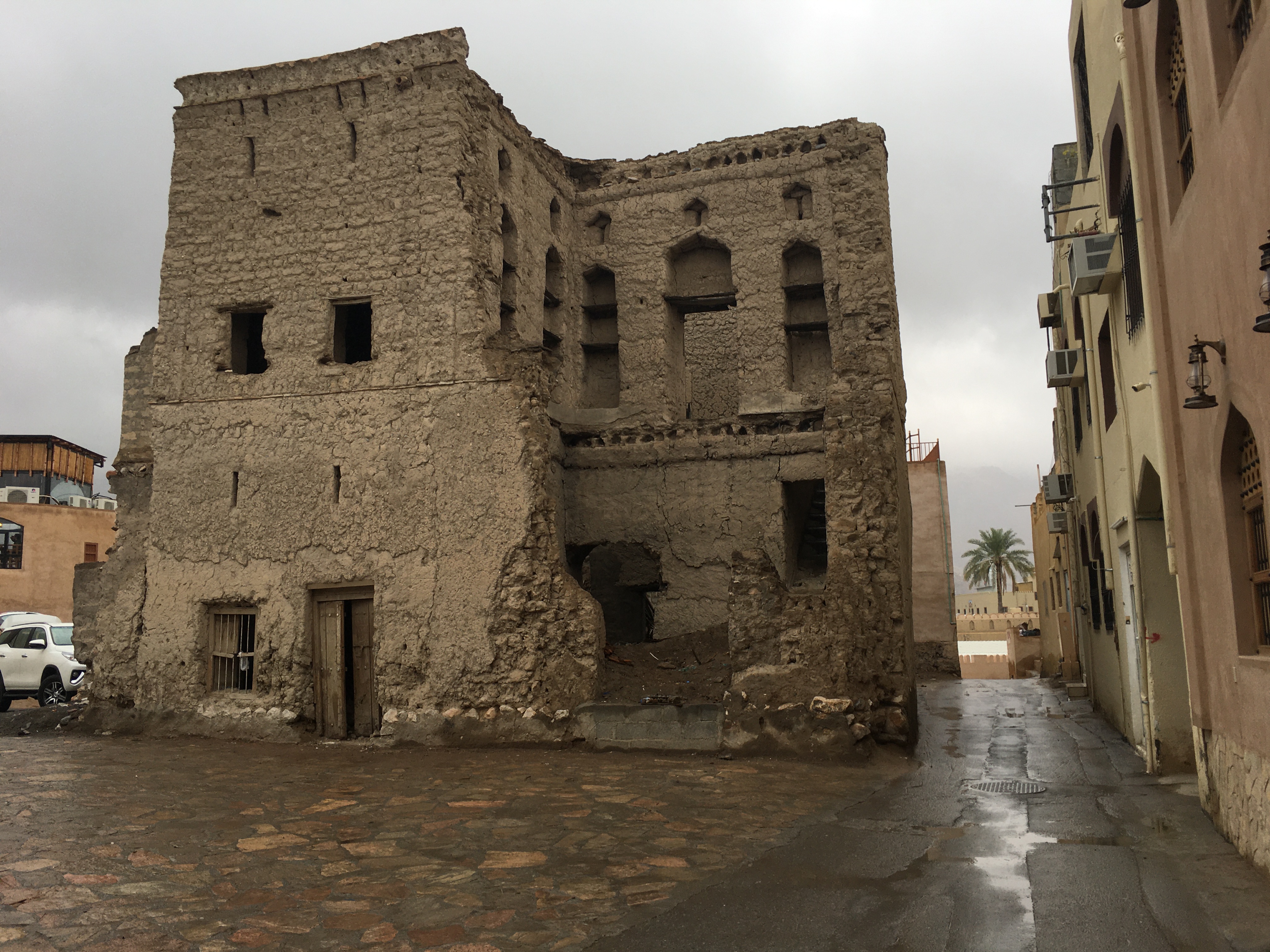
Oman was oppressively hot, even in the middle of October when I arrived. Daytime temperatures were typically in the mid to high thirties, and it was very humid. I used to go running on the beach in the evening. The beach was flat and sandy and extended for miles. It was about a 2 km run to get to the beach where there were plenty of cafes to try. One of my favorite cafes made great hummus. I had access to a car and used to head to a mall about 10 km away where there was a North Indian restaurant that made traditional dishes. But generally, I found life boring there. To start with, I used to socialize with my student’s father in the evenings. We chatted about a lot of different subjects. But after a while, I found him controlling and stopped going. In the five months I was there, I had two days off in the old capital Nizwa and he had me teach his son online on those days.

He employed a Ugandan maid who never had a day off when I was living there. She started sweeping the floor at 6 am and was at his beck and call until 10 pm. For context, slavery in Oman was only abolished in 1970.

The lad I was teaching was seventeen years old and in the final year of high school. He was not doing well and struggling in all subjects. These problems had not arisen overnight. I suspected that he had had an extremely sheltered upbringing. I visited his school on parents’ evenings and to discuss his progress with his teachers. It was clear to me that his teachers in most subjects had been allowing him to completely zone out of participation in lessons. I had severe doubts about the methodology used by the teaching staff. The complete lack of originality and critical thinking present was the source of the problem. The assessment material in mathematics was littered with errors as were the exam papers. I supported him in Mathematics, English, Biology, and Physics. The examinations are in two parts in the final year. They are held in January and July. However, due to COVID, the dates of the first examination session were postponed less than 24 hours before the exams were due to be taken. There was a lot of assessed work too. He told me that he got help with this and was allowed to repeat it until he got it right.

The father was influential and managed to find out in advance from the Ministry of Education what the topics of the Biology exam were to be based on. I found this out from the student, not the father. I was shocked.

He passed all his examinations in January, and the examination session in June was canceled due to the pandemic. The only way I could get him through the exams was through rote learning. He had enough short-term memory for this strategy to work but had absolutely no understanding. I had disagreements with the father because he seemed unwilling to accept that his son had learning difficulties. He suggested career paths for his son such as becoming a pilot for Oman Air, studying cybersecurity, and other highly technical jobs. I tried to make him have more realistic expectations, but it was a struggle. When I wrote to the father to diplomatically explain these problems, he didn’t speak to me for about three days. This happened on two occasions.

The father agreed to pay me a 20% bonus based on his son getting satisfactory results. When these results were achieved, he conveniently forgot about his promises.

The boy had no interests apart from watching YouTube and had no understanding of the world, so it was a challenge. Once, I showed him a picture of Paris taken from the Eiffel Tower in 2001. He was amazed that cars existed in 2001. I also asked him where petrol came from. His father works for the state oil and gas company. He had absolutely no idea. When I pressed him, the best he could come up with was, “from water?” In conclusion, the work filled a gap in my finances, but I would never want to visit or work in Oman again.

My instagram is a splendid mix of imagery

Below are some of the images I have posted on Instagram. I have travelled widely and lived in eight different countries.

Or click here: https://instagram.com/maths_physics_tutor

Some photos from across the years

I thought that I’d post some photos that I have taken with a few comments made on each picture. I will use each photo as a discussion point as people often say to me that I have done so much travelling and worked in so many different places that I should write about it. Only, I find it hard sometimes to know where to start. So using my photos as a talking point seems to be a good solution.

Check my website www.alsphotosite.wordpress.com for more.

36976632_2363988896961281_8773720576217841664_n_2363988893627948

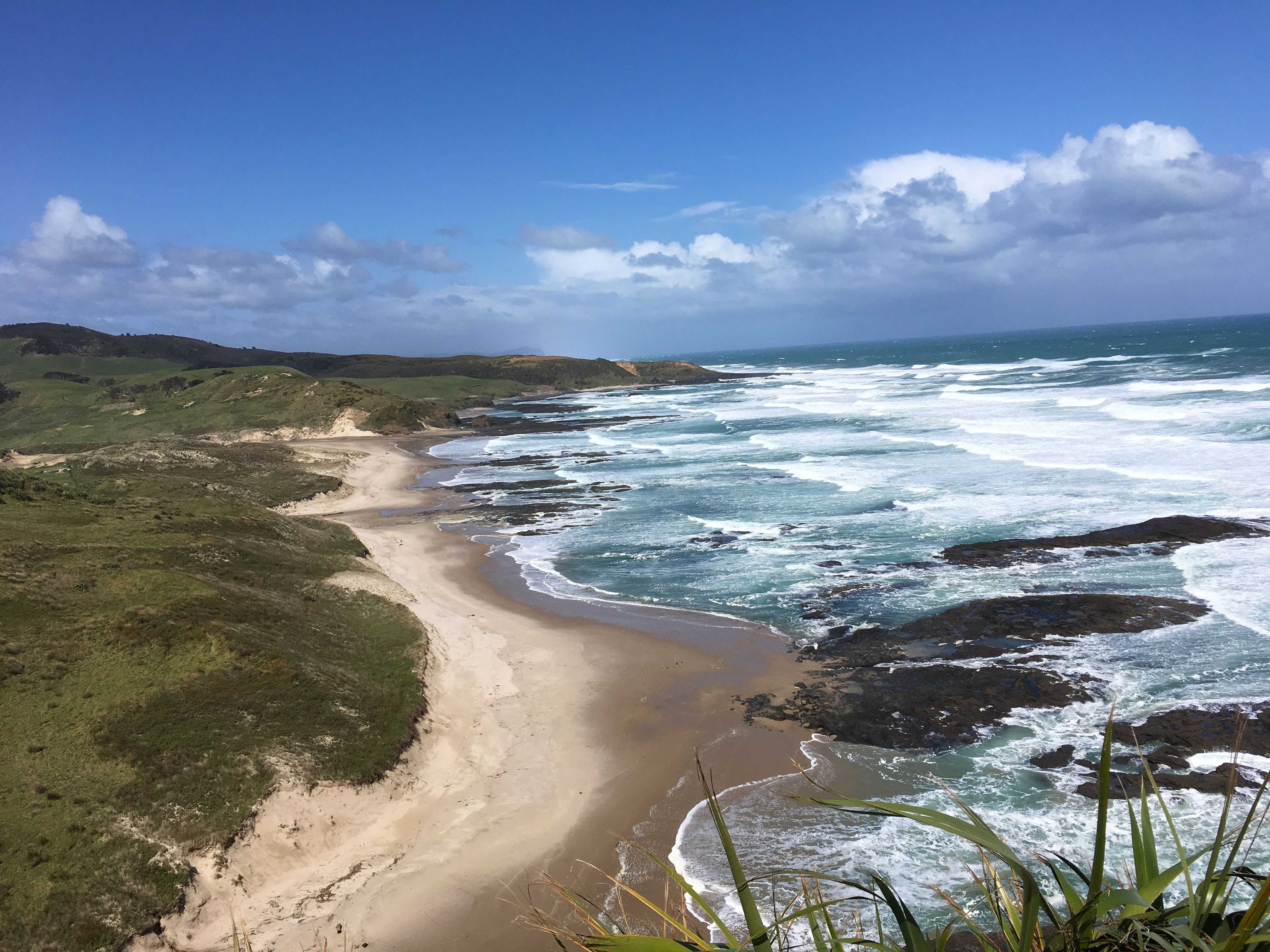
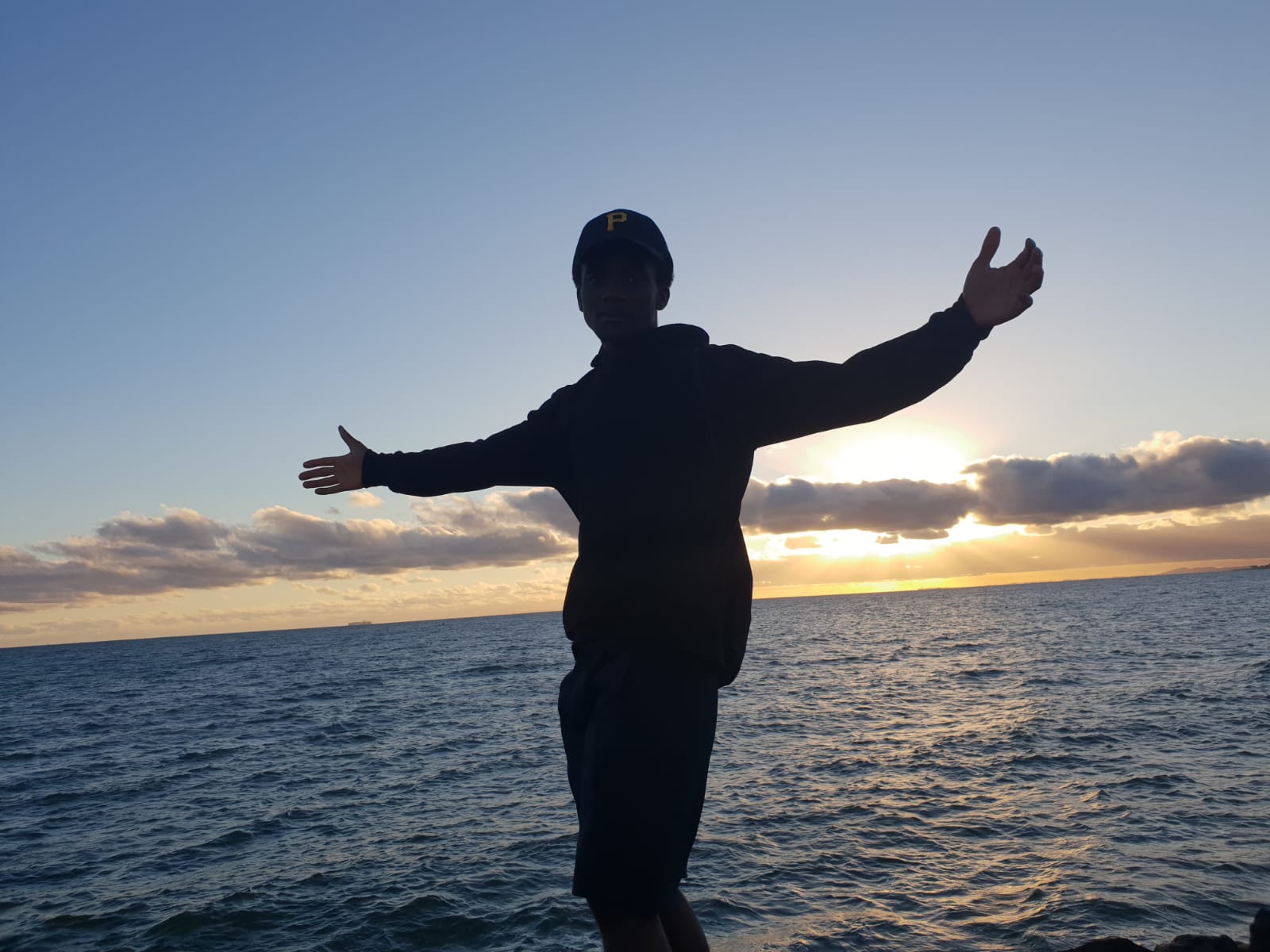
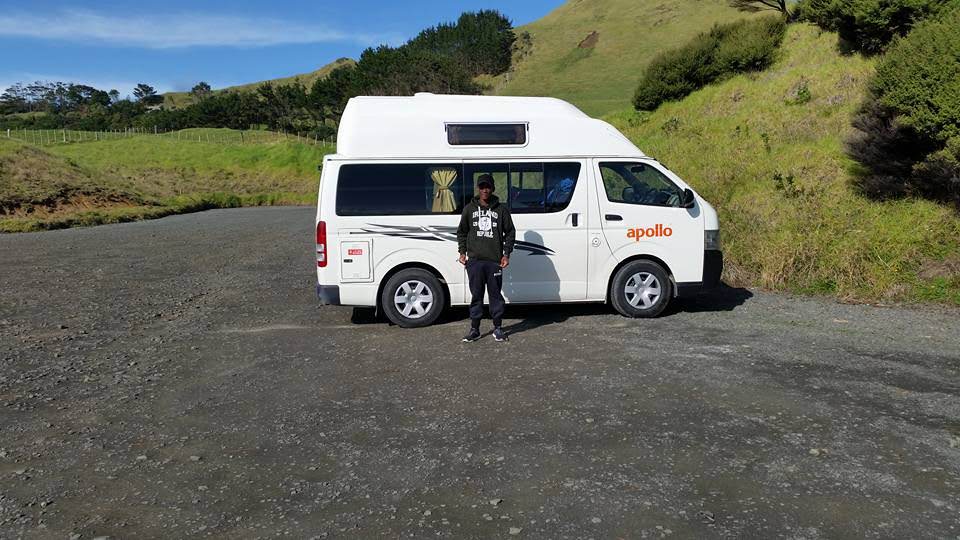
This is my son Paddy and was taken in 2017 on the west coast of North Island in New Zealand. I adopted my son in Swaziland in 2006 so he has now been part of my life for twelve years. We hired this van from a rather unscrupulous outfit as it turned out. It had clocked almost 200 000 km by the time I had the pleasure of driving it. It actually had cobwebs under the bonnet. I love New Zealand. I first visited the country in 2003 on a round the world trip. I wanted to show Paddy what it had to offer.

36950999_2363988733627964_4151073126941196288_o_2363988730294631
20170726_111255.jpg

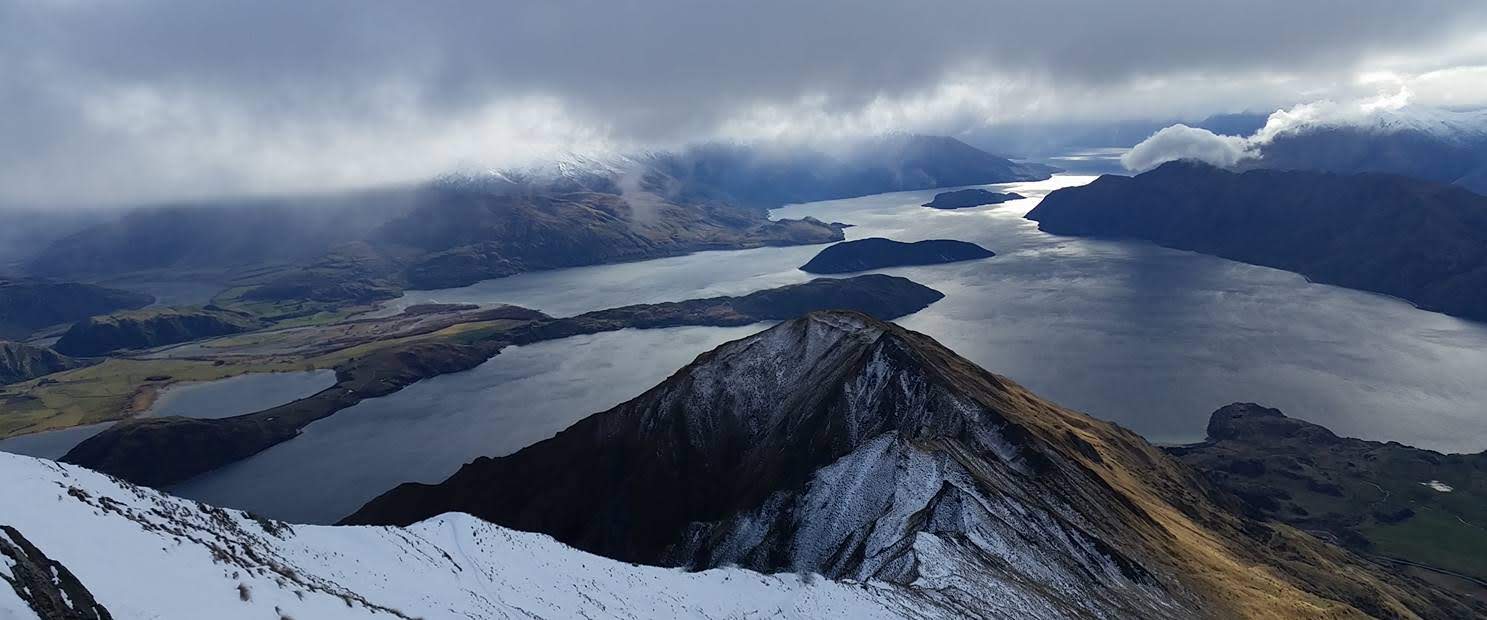
This was taken from the top of Roy’s Peak near Wanaka. This is in the middle of winter and there were not many people climbing this 1 km high mountain that day. The snow was pretty deep near the top. This view in my opinion is stunning.

17240561_1700672916626219_2544149676520361805_o_1700672916626219

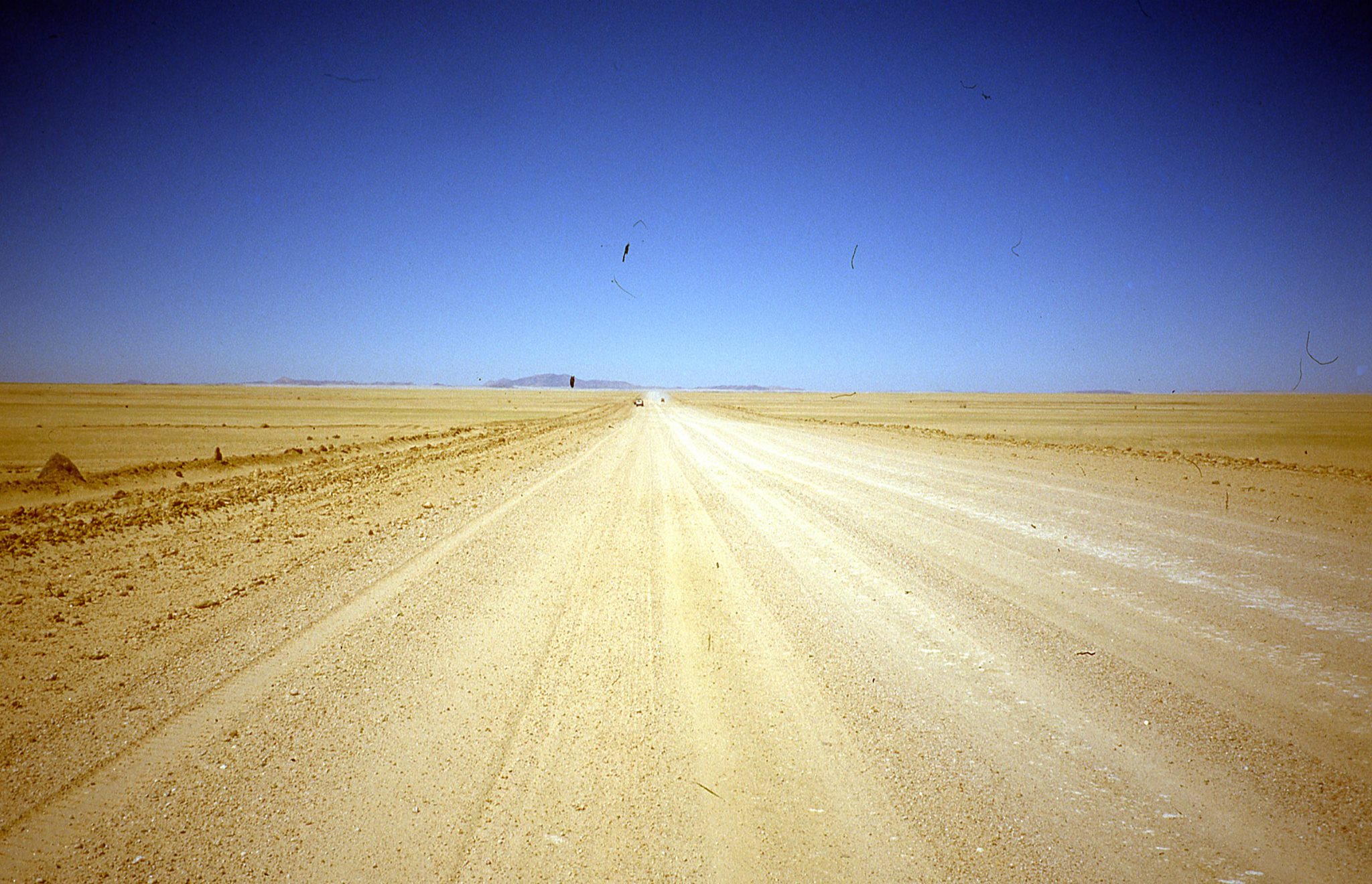
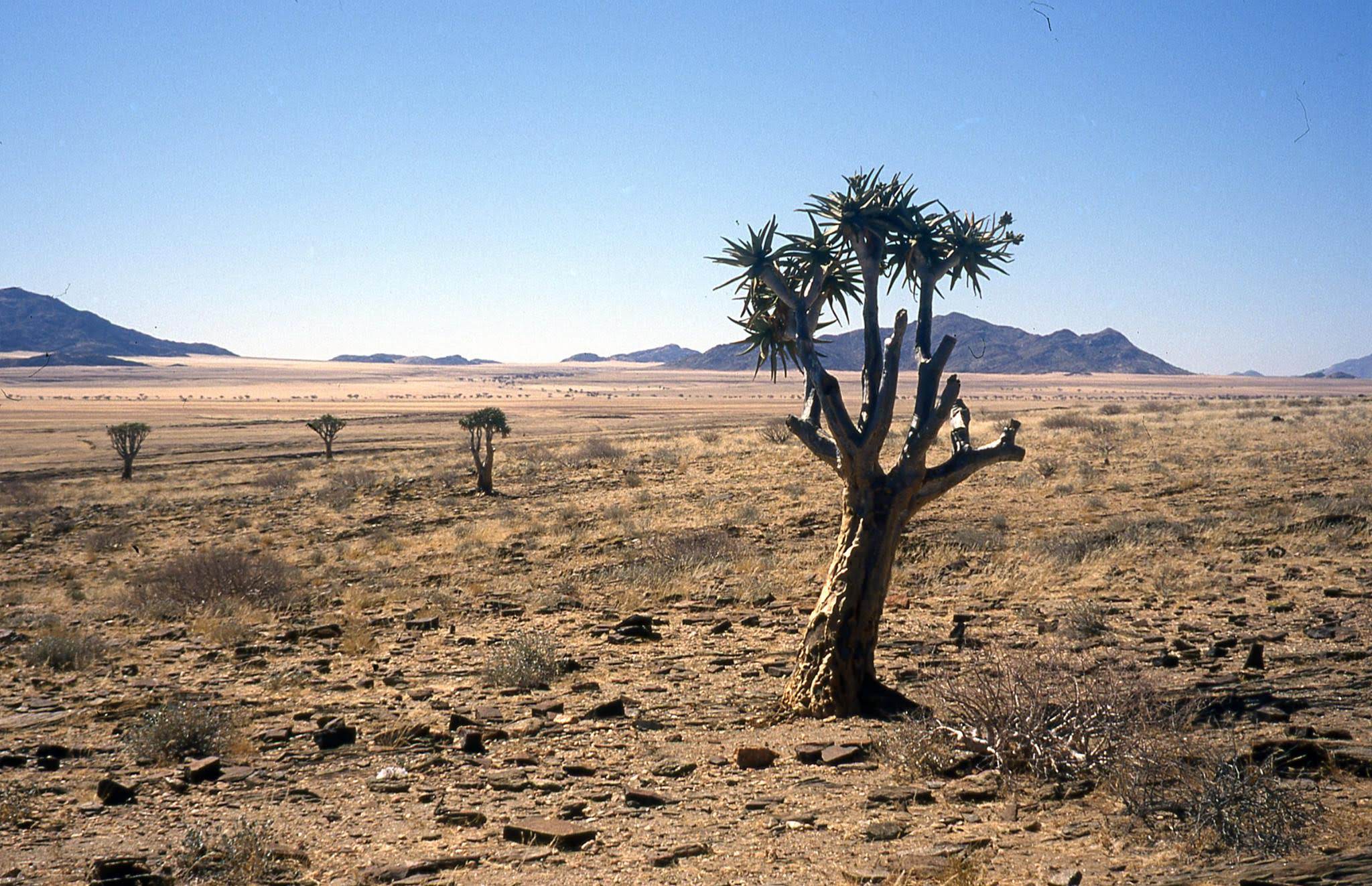
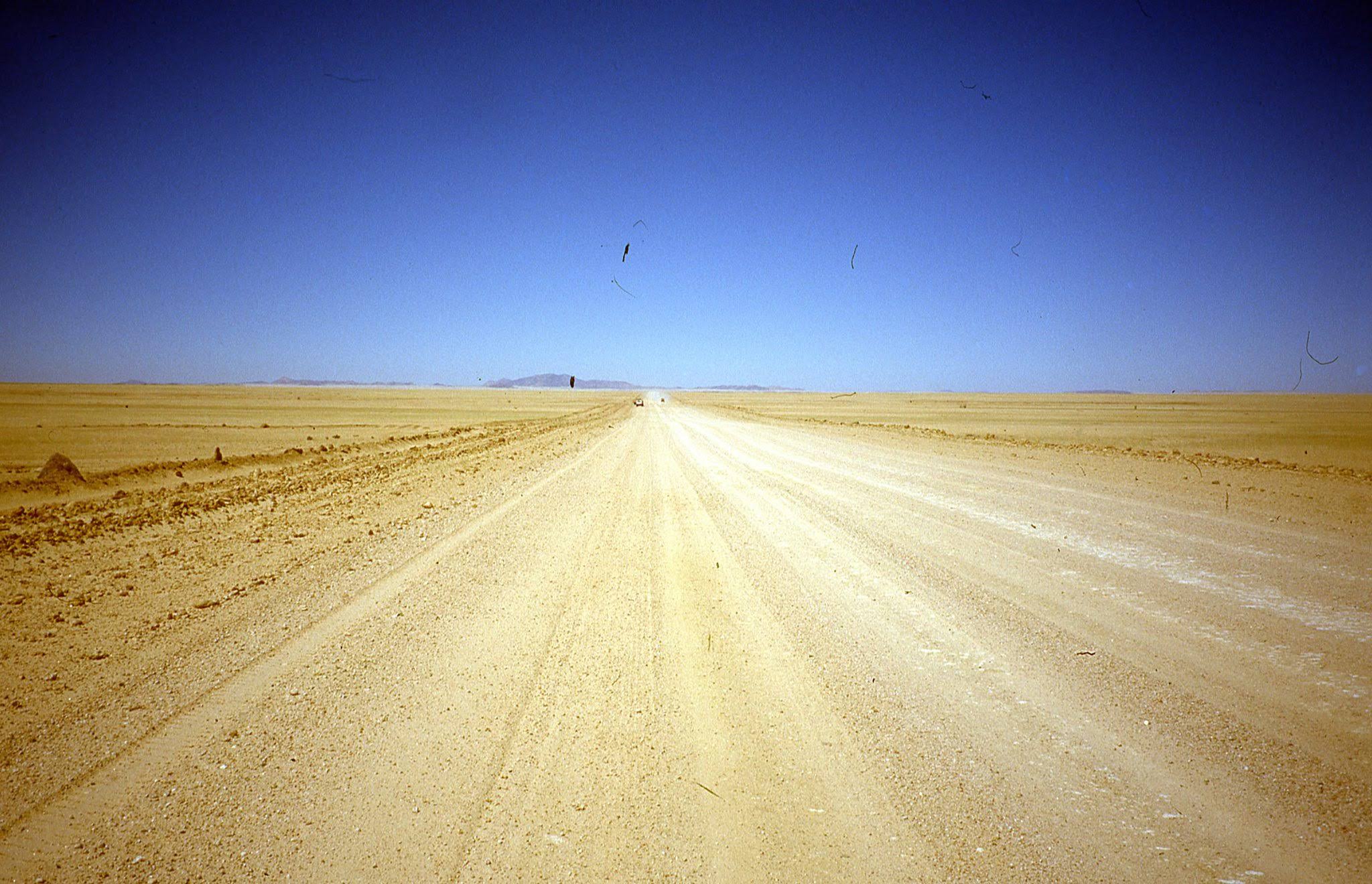
In 1997, I was living in Zimbabwe and took a road trip that year through Namibia with a house mate and some people we met in Cape Town. It was my first time seeing Namibia and what struck me was how flat and arid much of the country was. In many cases, the roads continued in a straight unbroken line as far as the eye could see. At night, distances were deceptive. A light on the horizon would take a fifteen or twenty minutes to come into view even driving at 100 kph because it would be 30 km away.

17211853_1700672433292934_7512376499158042114_o_1700672433292934

You had to be particularly careful driving on the dirt roads. We had hired a VW Golf from Cape Town and had been warned about speeding on the dirt roads as cars frequently overturned killing those inside. One of those amongst us was a twenty-something English woman who, whenever she was taking turns driving, would drive at breakneck speed. This made me very nervous and no matter how many times I asked her to slow down, she would not do so.

dscf0068

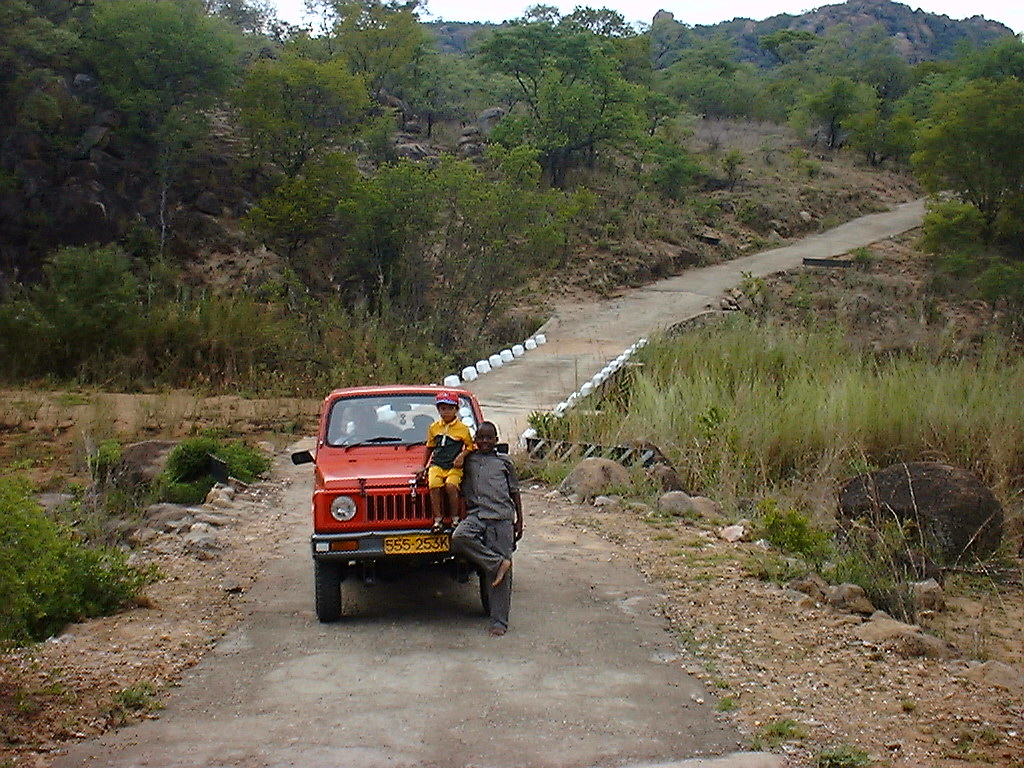
This photo was taken in about 2001 in Matopos National Park, near Bulawayo, Zimbabwe. It shows my friend Tim Cherry (behind the wheel), his son Andy (with the red cap) and my friend Nontando’s son Kelvin. I met Tim and Nontando whilst teaching in Zimbabwe in 1996 and 1997. When I began teaching there, 1 GBP was worth about 10 Zimbabwe Dollars. By 2002, the exchange rate was something like 60 000 000 000 dollars to a pound.
dscf0179

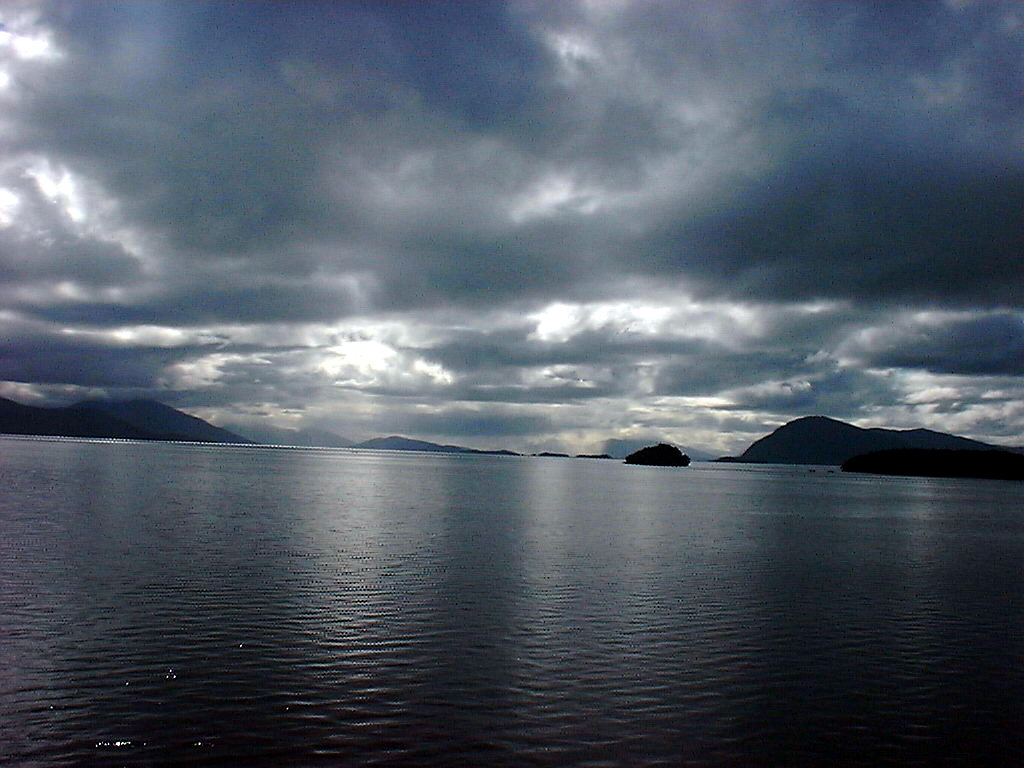
This photo was taken from aboard a ship that I took from Puerto Montt to Puerto Natales in southern Chile. It took three days and wove its way through these fjords. I was in Chile as part of my round the world trip in 2003. I had got the idea of taking this voyage from reading the book by John McCarthy and Brian Keenan who, when held in captivity by an Islamic terror group, had discussed what they would do on their release. They talked about setting up a yak farm in Patagonia. So it was that five years after their release, they did in fact travel to Chile and covered this vast and diverse country by almost every mode of transport possible. They took this same ship that I did and it was this that gave me the idea to take the same journey through the Chilean fjords.

untitled1

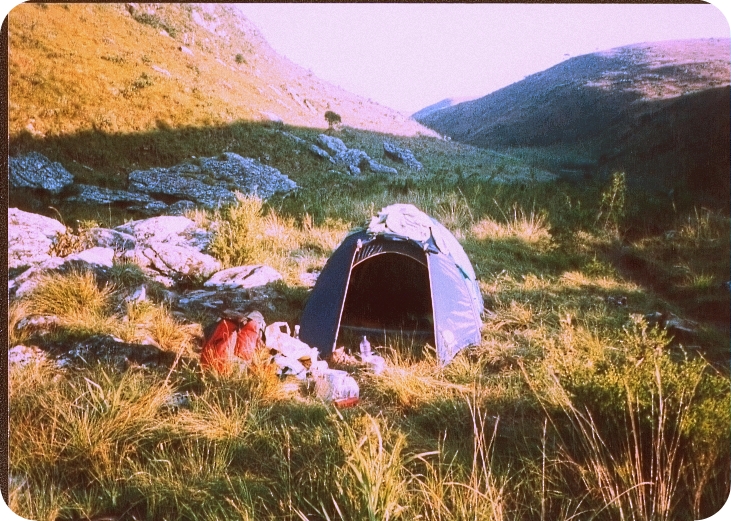
This rather retro-looking shot is of my campsite in the Chimanimani Mountains of the Eastern Highlands in Zimbabwe. I think this was in 1996, my first year in the country. I was hiking on my own and had rather a heavy rucksack. At one point, I stumbled and badly sprained my ankle. The pain was so bad that by the time I had descended, I decided to camp for the night as I could no longer walk. A couple of young German women hiked past where I was camping, in a place where you would definitely not choose to set up a tent, and I remember trying to impress on them that I was in trouble and needed help. They could not speak English nor I German so they just stared at me and walked off without attempting to understand me.

About six years later, I had reason to have my ankle x-rayed after another bad sprain and the doctor asked when I had broken my ankle. It turned out that I had fractured my fibula in my lower leg in 1996. No wonder it was so bloody painful.

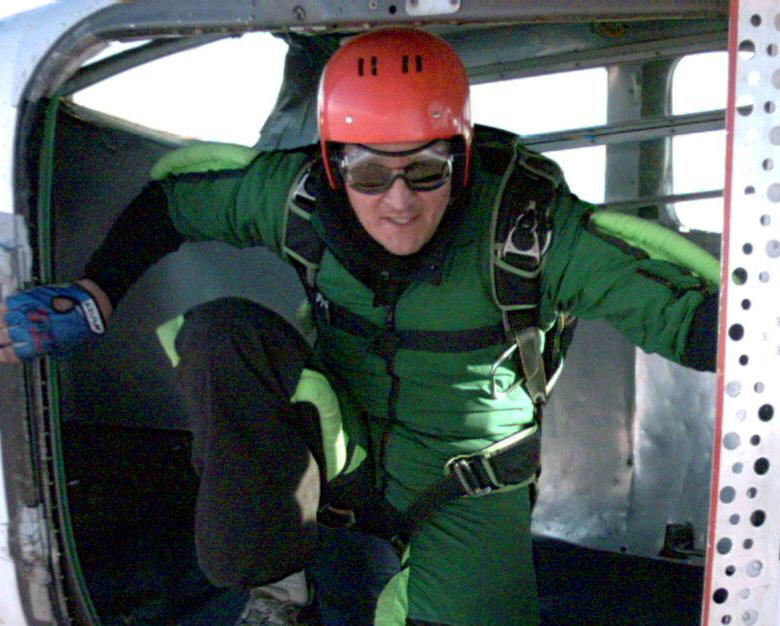
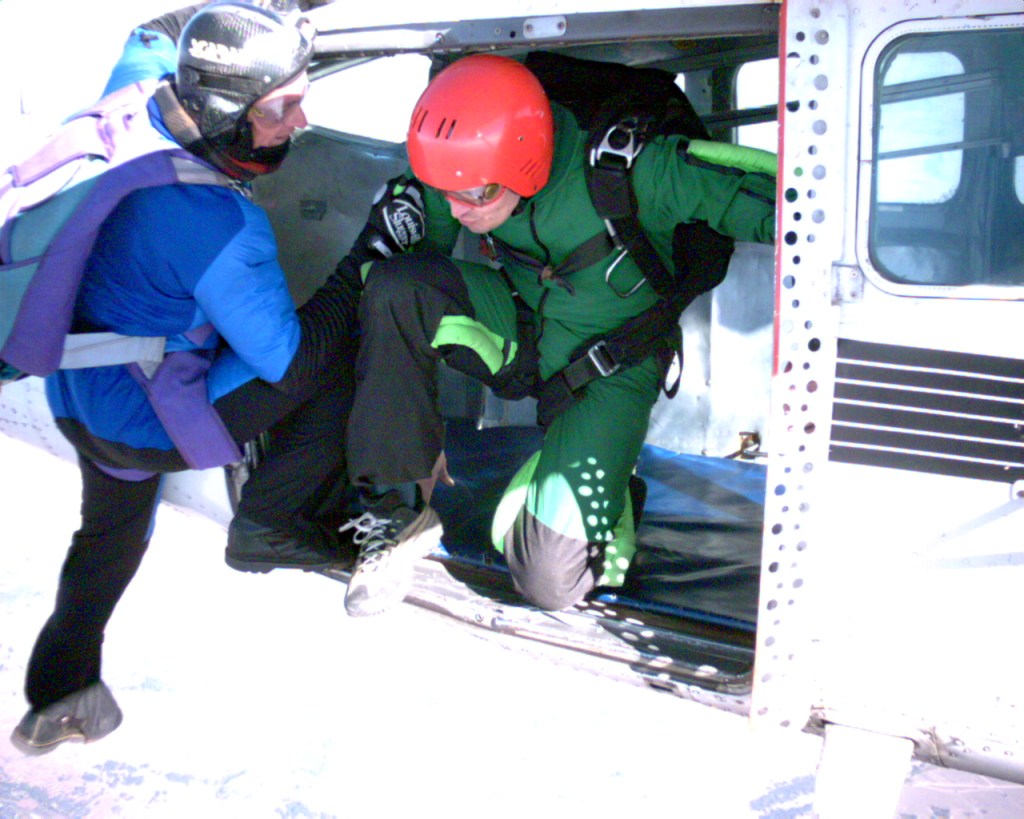
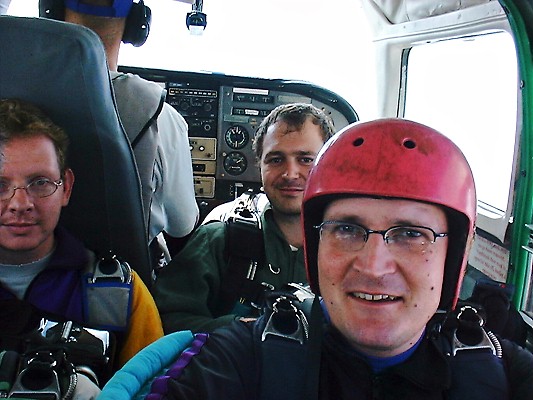
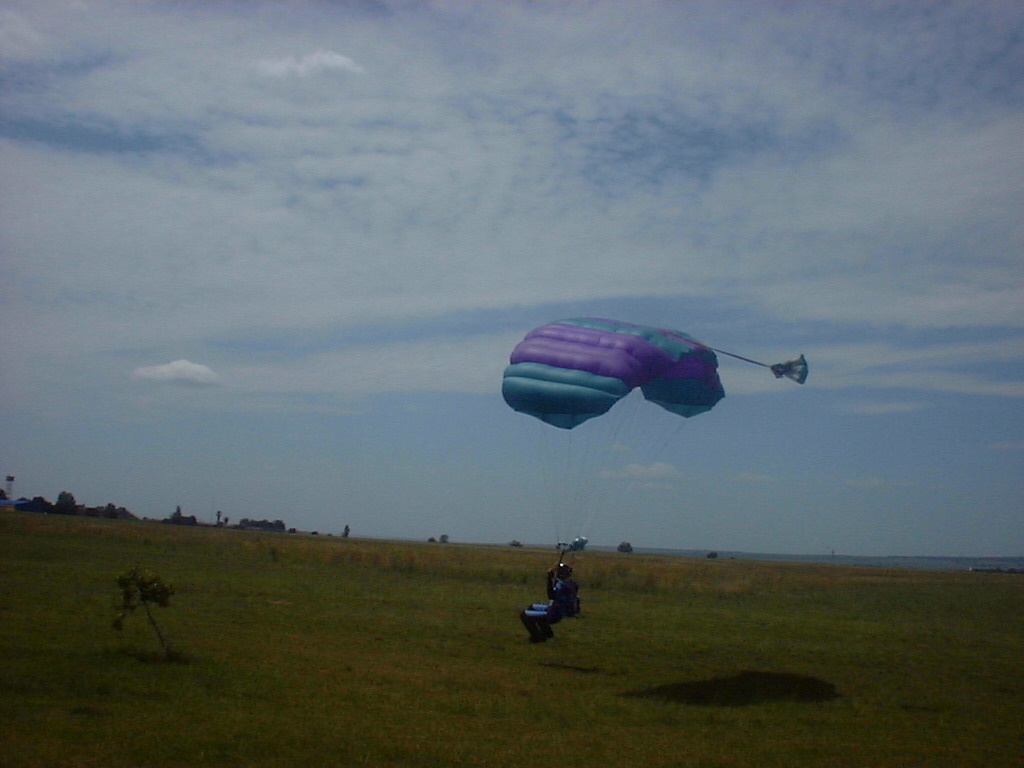
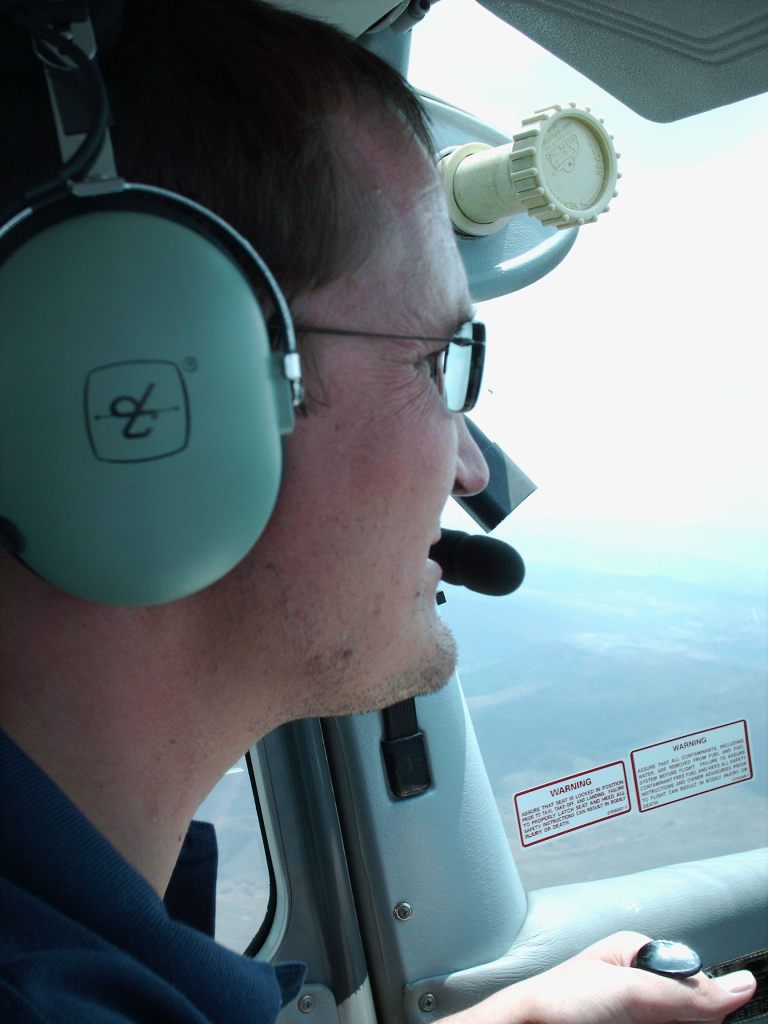
In 2003 on my round the world trip, I decided to learn to fly in Port Elizabeth. I studied at Algoa Flying School. It took about five weeks and flying was done in Cessna 150s. The previous year, I had learned to skydive at Witbank Skydiving Club in Mpumulanga Province, South Africa. I continued to skydive there when I began working in Swaziland as it was only about a four hour drive. I haven’t flown myself since 2006 as it is so expensive. I stopped skydiving about the same time when I adopted my son as I didn’t have the time. I found the kind of people who skydived in South Africa very macho and there was a fair bit of racism at the club so I wasn’t sorry to stop going there.

Fluffy was a cat that I acquired when I was living in Hungary. I lived in Hungary for three years from 2008 whilst working as a maths and physics teacher in Bratislava. There were a number of feral cats that I used to feed in the village where I lived. One gave birth to a litter of kittens in my living room, and fluffy was the runt of the litter. She died in December 2018.

fullsizeoutput_f7c.jpeg

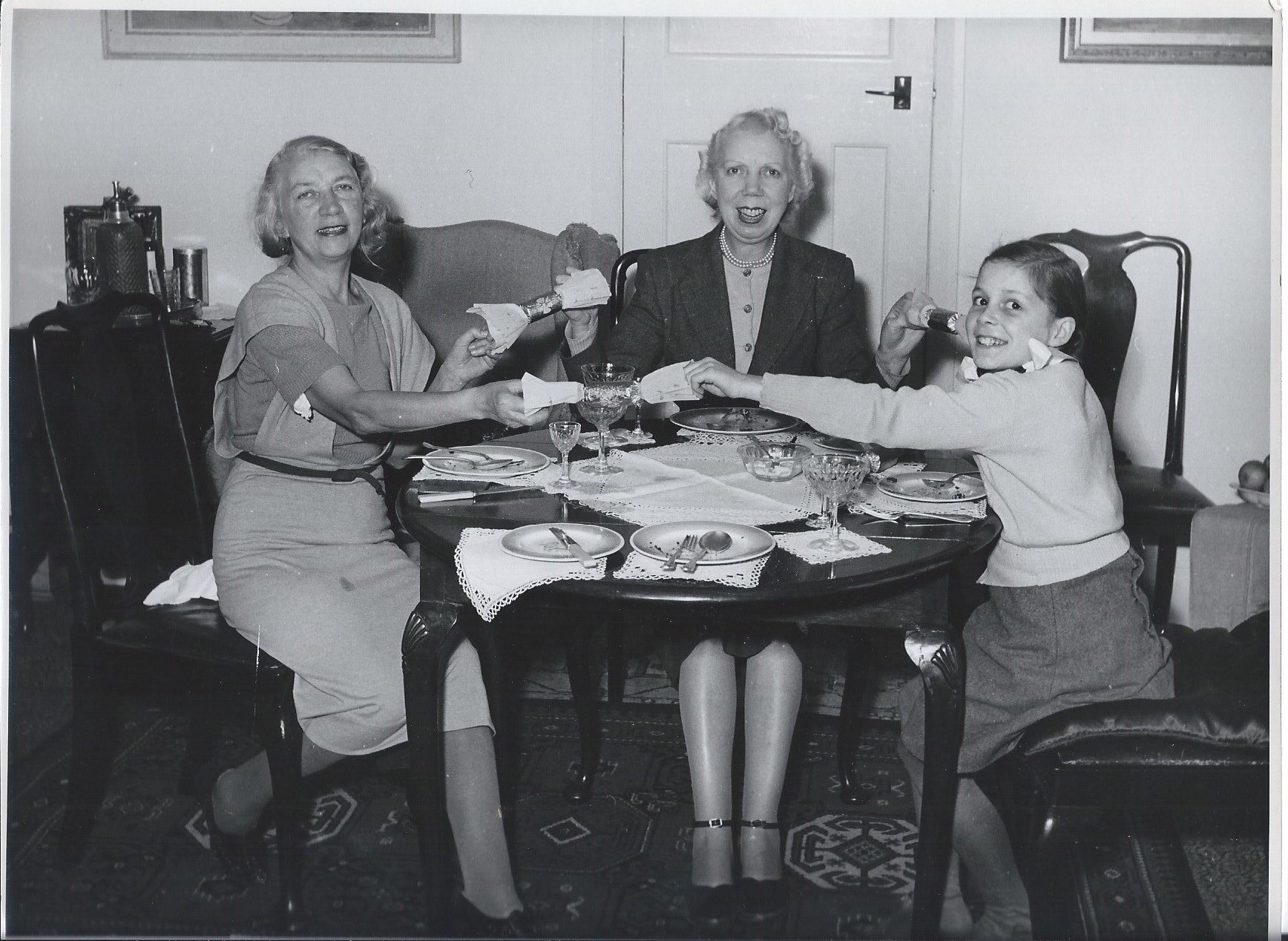
This photo was taken in about 1950, and shows my mother and her two aunts. This is probably taken in Slough where one of her aunts lived at the time. On the left is Edith and in the middle is Ada.

British International School Bratislava

57580f4f5fed8f70b95e7a5ac96d7236_slovakia_l_7035

In 2007, I began teaching mathematics and physics at this school in Bratislava. My son Paddy began attending in year 4 although he was ten years old. He had missed out on many years of education in Swaziland and could not read or write. He had probably only had a year of schooling. I was impressed that the school had been prepared to take him on. We lived a short walk away from the school in the northern suburb of Dubravka.

The school was staffed by a mixture of British and Slovak teachers. It was increasing in popularity and had a new principal. I taught mostly mathematics. The physics I taught was to the 11-14 age group. I taught HL mathematics for the IB Diploma too. The salary was excellent. The students were from many different countries. One of the biggest groups was the Koreans. The parents worked for Kia cars or one of the other Korean manufacturers that had relocated to Slovakia. I taught children from the UK, France, Germany, Slovakia, Russia, Serbia, Spain, China, the United States, Japan, New Zealand, Ireland, amongst others. I like to think that I made the lessons entertaining. I liked to try different learning styles and avoided formal lesson planning like the plague.

I loved teaching physics to the young ones. They were very interested in science practicals and we had a lot of fun. I designed a website for Key Stage 3 Physics. We built electric motors and we had great success designing model houses to see who could make the design that kept the heat in the most. I never enjoyed teaching as much as I did at this school.

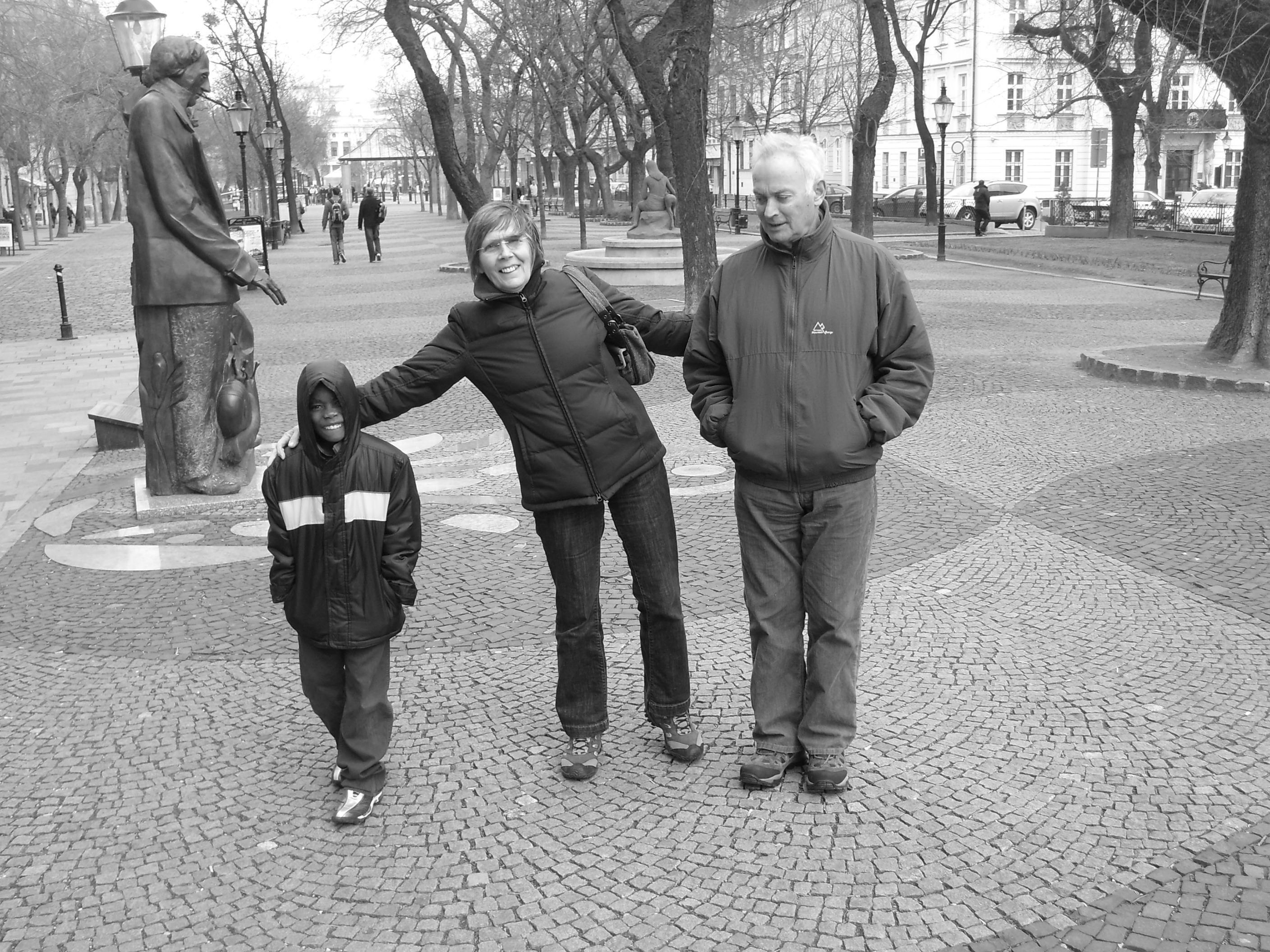
Paddy and grandparents in Bratislava

In 2008, I bought a house over the border in Hungary. The idea was to save money on rent and buy an affordable home in the countryside. It was a 45 minute drive to work in the morning and really not at all bad. The house was in the sleepy village of Halászi. In 2008, the border controls came down and Hungary joined the Schengen area though it seemed that the Slovak police took about a year to realise this. I lost track of the number of times we were stopped crossing the border. For a while, we took an alternative but parallel route back home because of this hassle at the border crossing. Another reason for moving to Hungary was the overt racism that my son had received in Bratislava on numerous occasions. One on a crowded tram, a young man began making a monkey impression at my son. It was clearly directed at him. I did not react because when I get angry, I can lose control. I don’t like to do this. On another occasion in 2008, we were in a small supermarket called Billa in Dubravka and I could tell that my son was upset. I urged him to tell me what had happened and he did not want to tell me. In the end, he told me that a woman had pushed him out of the way. He pointed her out to me and I let her have it. Then there were the looks that people gave us. You may say that it’s just a look but I called it ‘the look of disgust.’ People stared. It was just rude. Paddy liked to ride his bike and I would not allow him to ride ahead of me in the park because I was concerned about his safety. He had been called ‘nigger’ by some youths in a park once, with me within earshot. Of course, unless we were walking close together, people assumed that we did not know each other. We were required to go to the ‘foreign police’ once a year to have our resident permit renewed. When I went the first time, the policeman at the desk looked at my son and asked if he had a passport. I felt like saying ‘No, I smuggled him into the country in a suitcase.’ I never experienced problems like this in my three years living in a village in Hungary.

The school knew of the difficulties I had but chose to ignore them and offered no support to me. When you are constantly faced with these difficulties, it has a detrimental effect on your psyche. When my son Paddy got into trouble. the school was not interested in taking into account the difficult background he had. They made no exceptions for him. They were just concerned about how the other parents might react.

I don’t want you to think that we had a bad time in Slovakia. The school was a very safe place and great for my son to grow up with. There were many lovely Slovak staff there who really went out of their way to help.

This slideshow requires JavaScript.

Continue reading “British International School Bratislava”