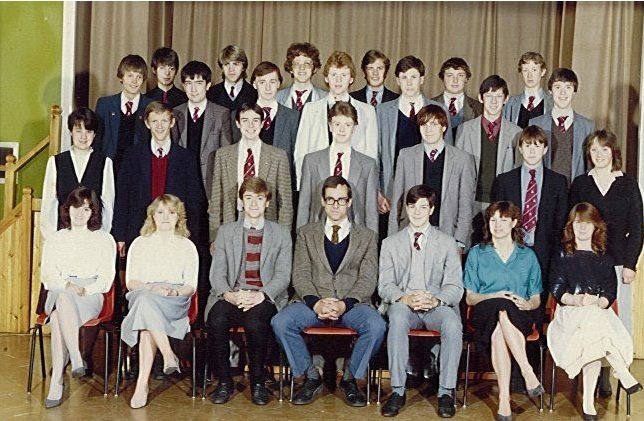
The headmaster at Lewes Grammar at the time was Roy Mead. He was a very authoritarian figure and ran the school how he saw fit. It was a small school and still is. There were only two forms per year with each form taking about 14 boys. It had a junior department on the other side of town and a girls’ school just a few doors down on the High Street. There had been a boys’ grammar school on this site since 1714. The school was founded in 1512 at Southover near Lewes. Lewes is the county town of East Sussex and is surrounded by the South Downs, the chalky hills that run parallel to the south coast.
I joined in the summer term of 1979 aged 12 years old. I was very shy and didn’t make friends easily. I was collected with about twelve other boys in a minibus driven by one of the teachers. I was so shy that at first, I waited in my mother’s canary yellow Ford Escort Estate for the minibus to arrive at my pick-up point near St. Johns Park a short walk from home. I’d had an extended Easter holiday because I had left my father’s house at the end of March where I had been living with my two brothers. I returned to live with my mother and stepfather of my own volition because I was being emotionally abused at my father’s house. The first day at my new school was on 8th May, being the day before Margaret Thatcher’s new parliament assembled for the first time. I had not spent much time with my mother in the preceding twelve months and I was upset and homesick for the first week or so. I fought back tears each morning before lessons started.
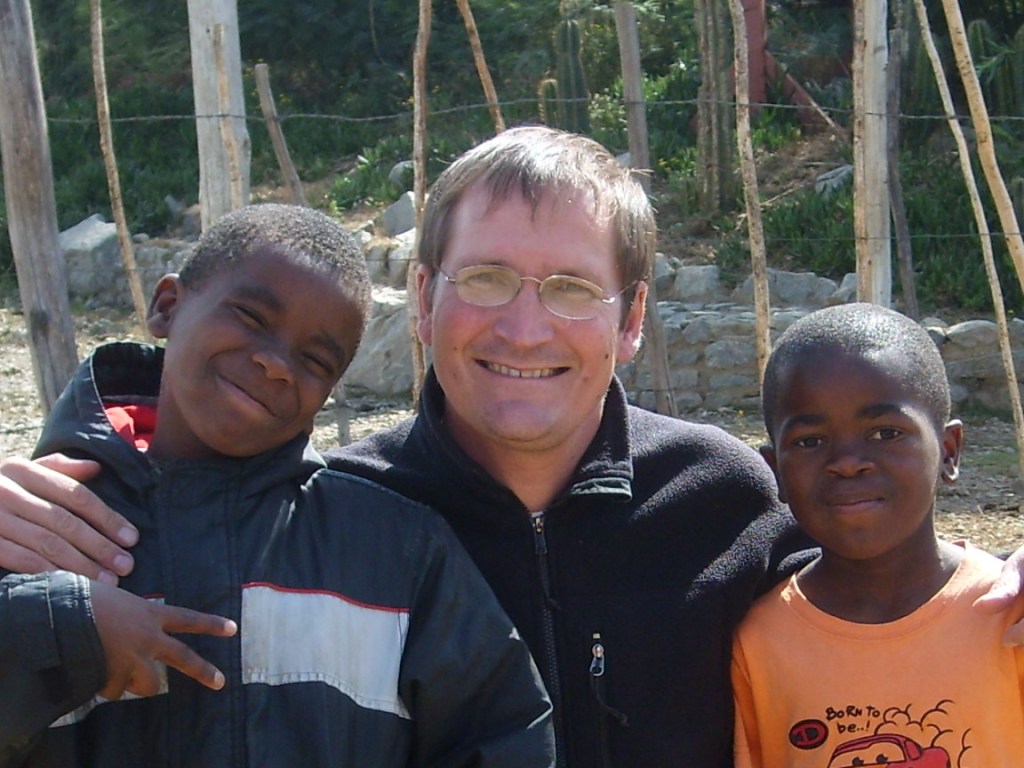
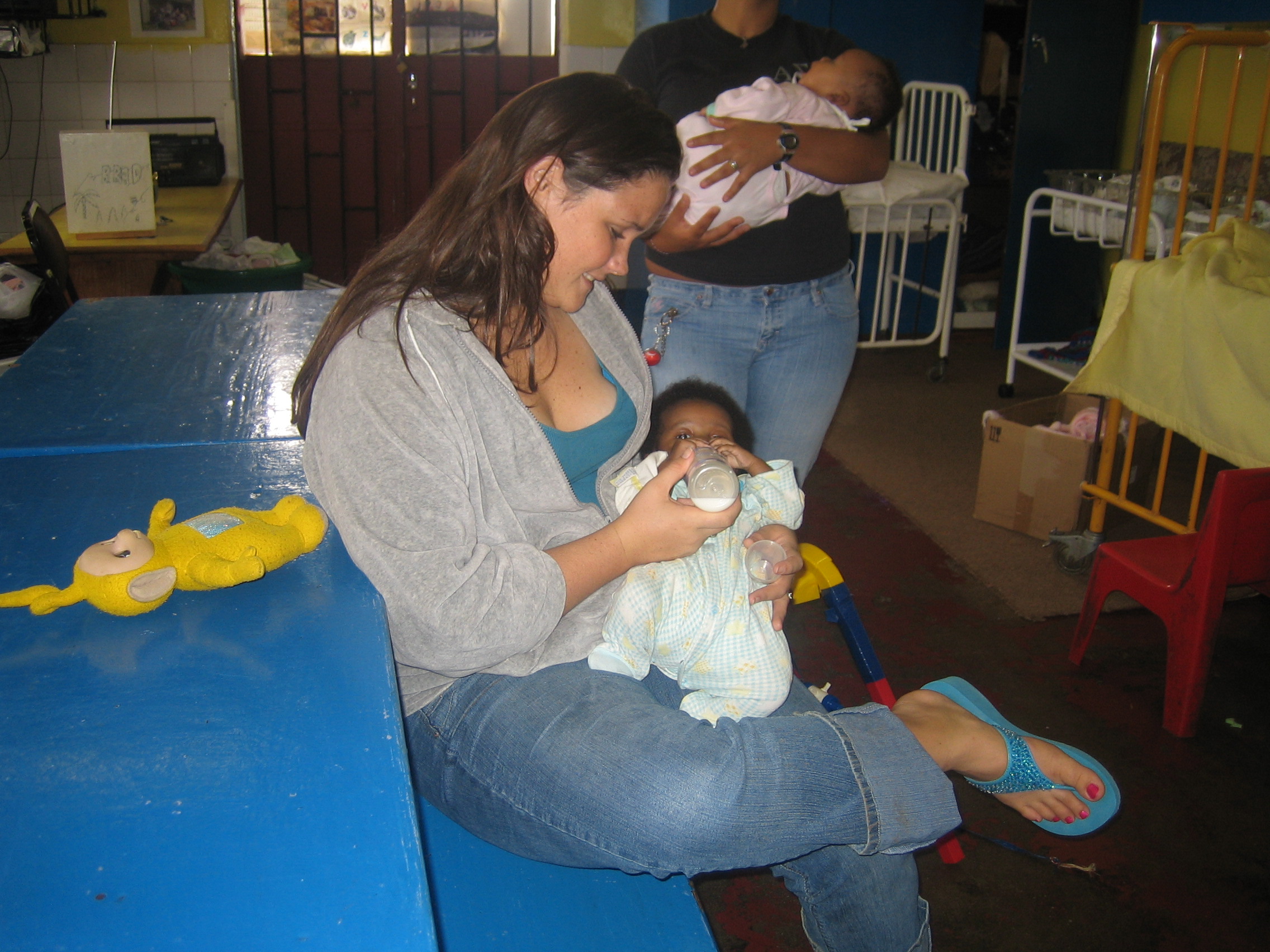
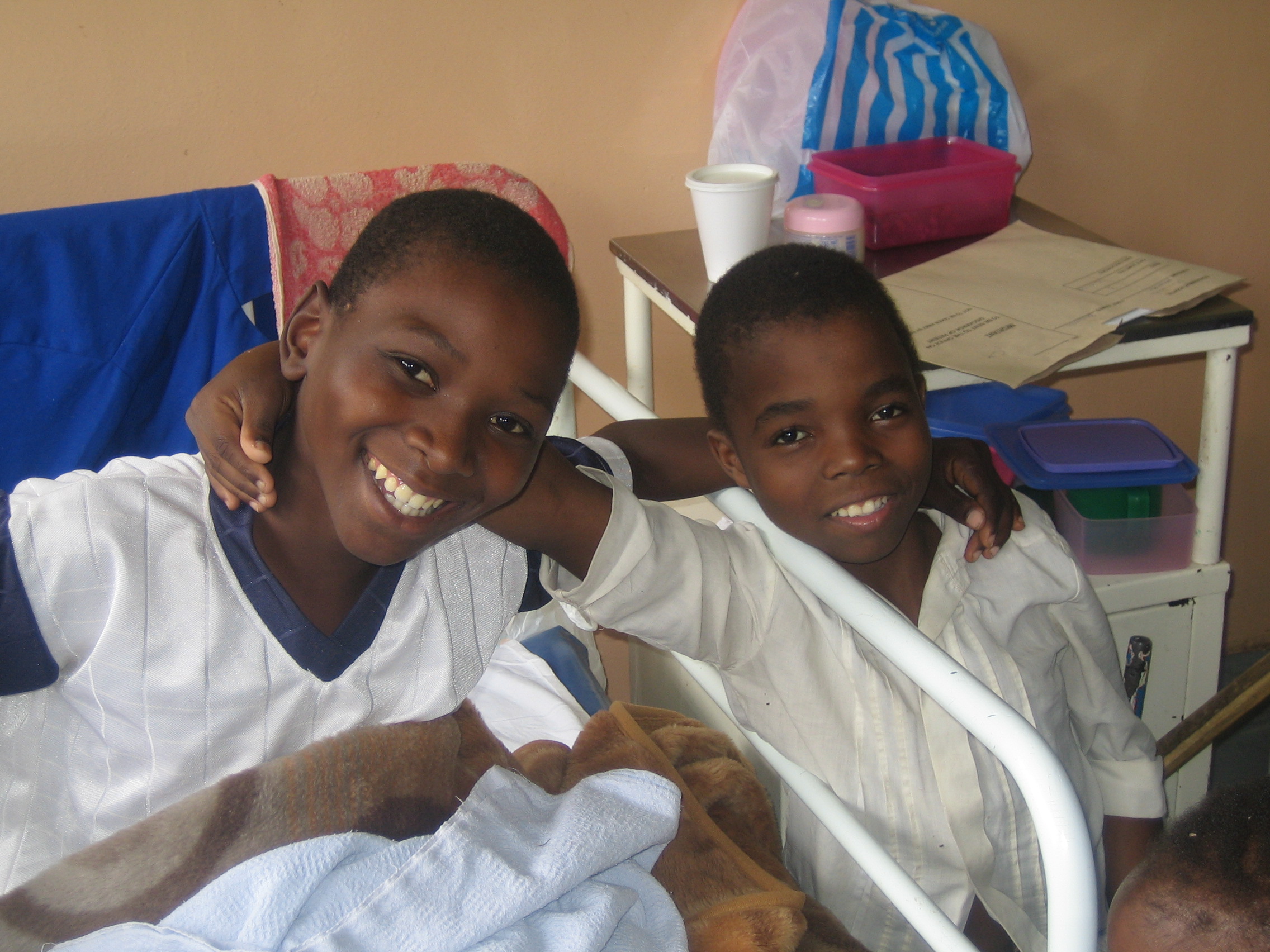
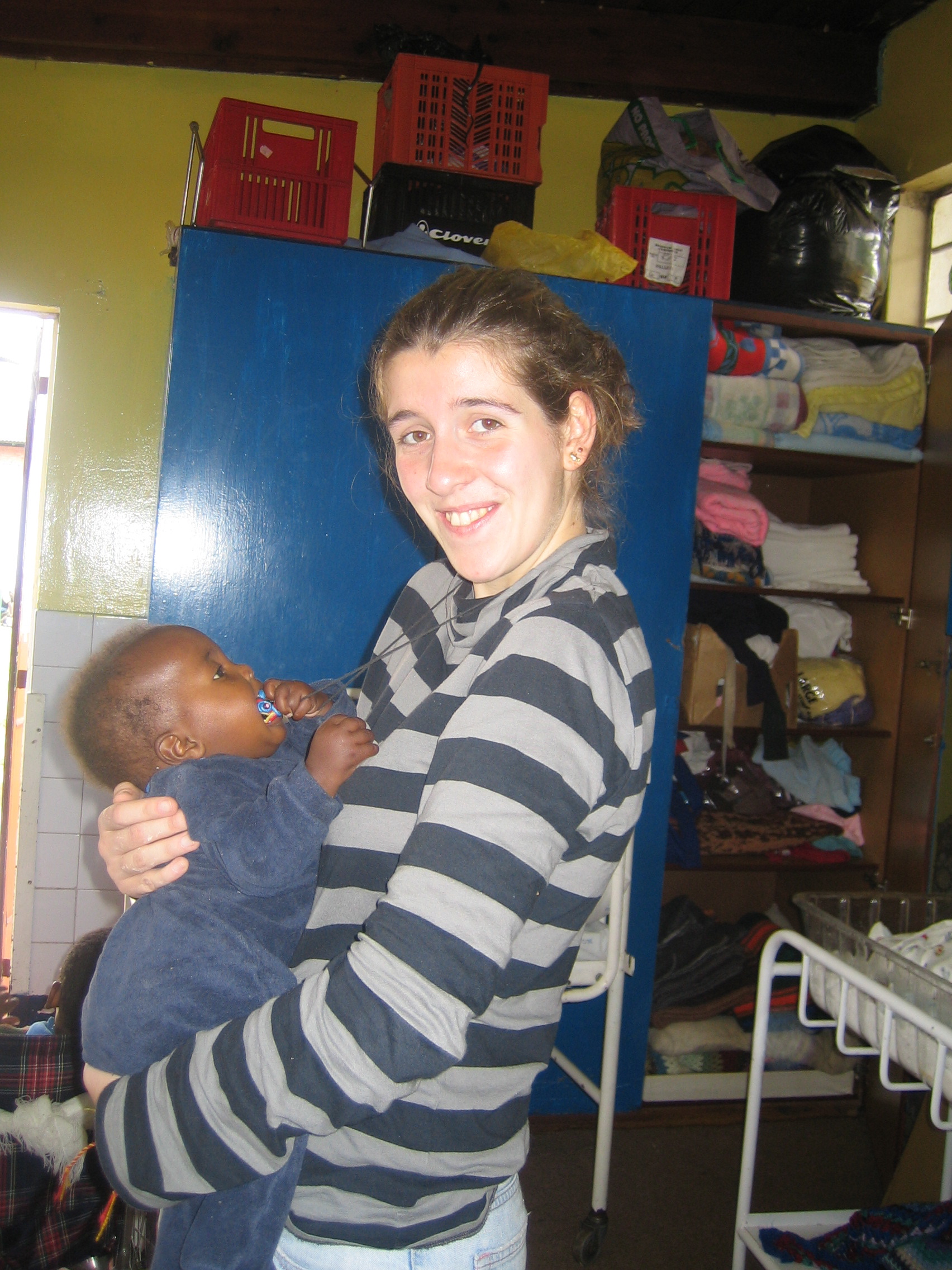
In 2006, I was living and working in Swaziland. I was teaching mathematics and science at a well-known school in the capital city, Mbabane. I also helped out with a community service project which fifth and sixth forms were involved in. At Mbabane General Hospital on the children’s ward, Ward 8, was a single room where abandoned babies, handicapped children and young adults were housed. There was a row of cots, a table and benches and a television in a metal cage that was left on permanently during the day. I took the school children down to the hospital on a Friday afternoon in a minibus and we usually took the residents of the ward to Coronation Park to play. These children weren’t sick for the most part but desperately in need of human interaction.
There is only one government children’s home in Swaziland, a country with tens of thousands of orphans. It does not take handicapped children. There are several private orphanages funded by evangelical Christian churches as well as organisations such as SOS Children’s Village and these do a great job. However there are not enough of them.
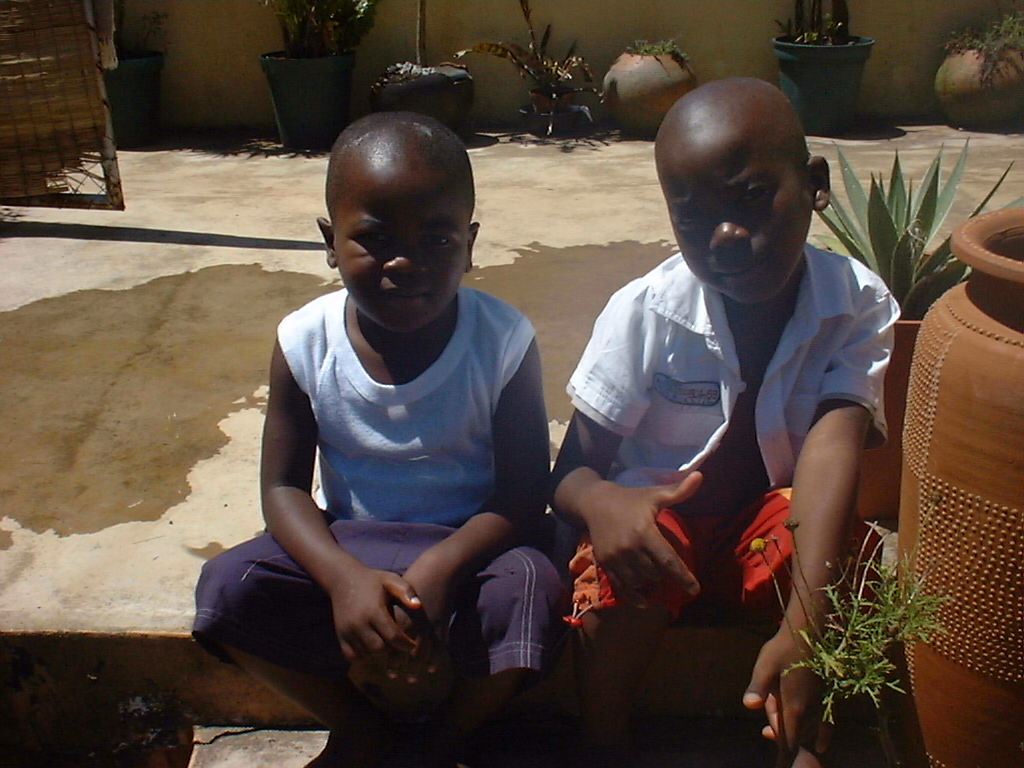
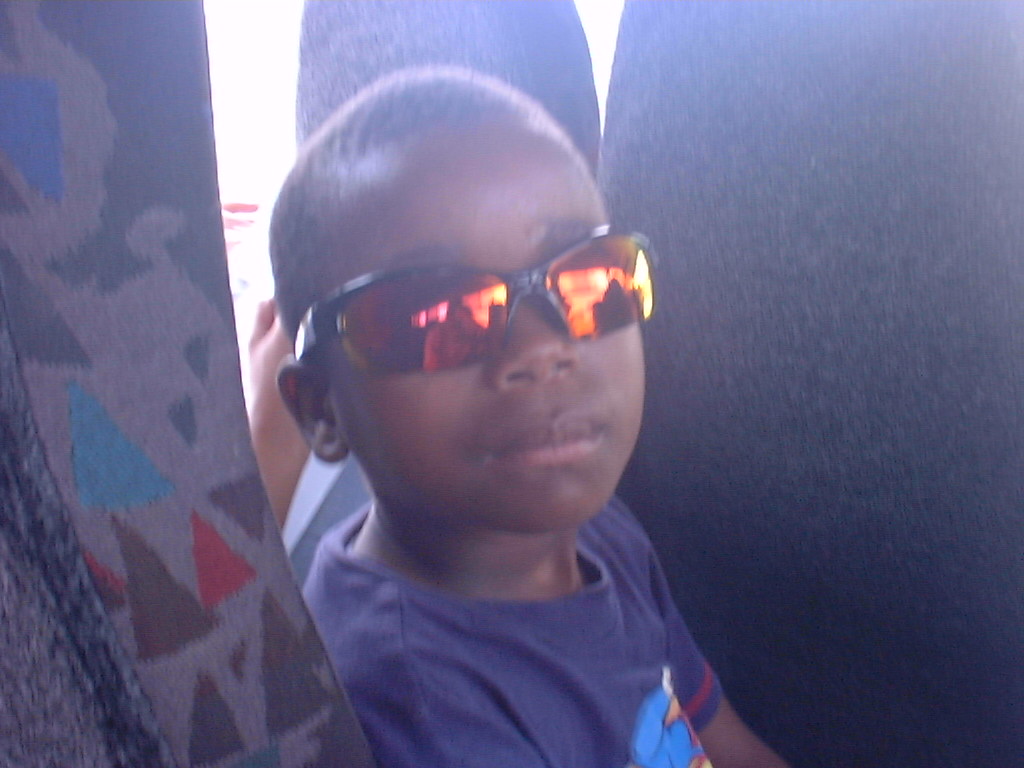
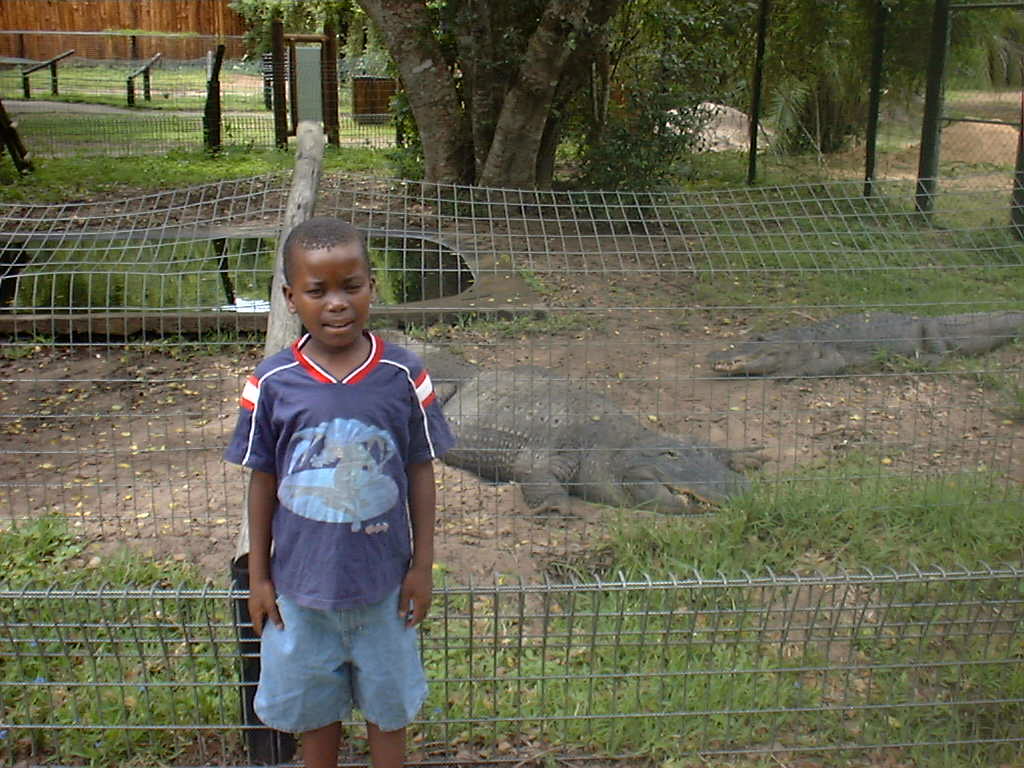
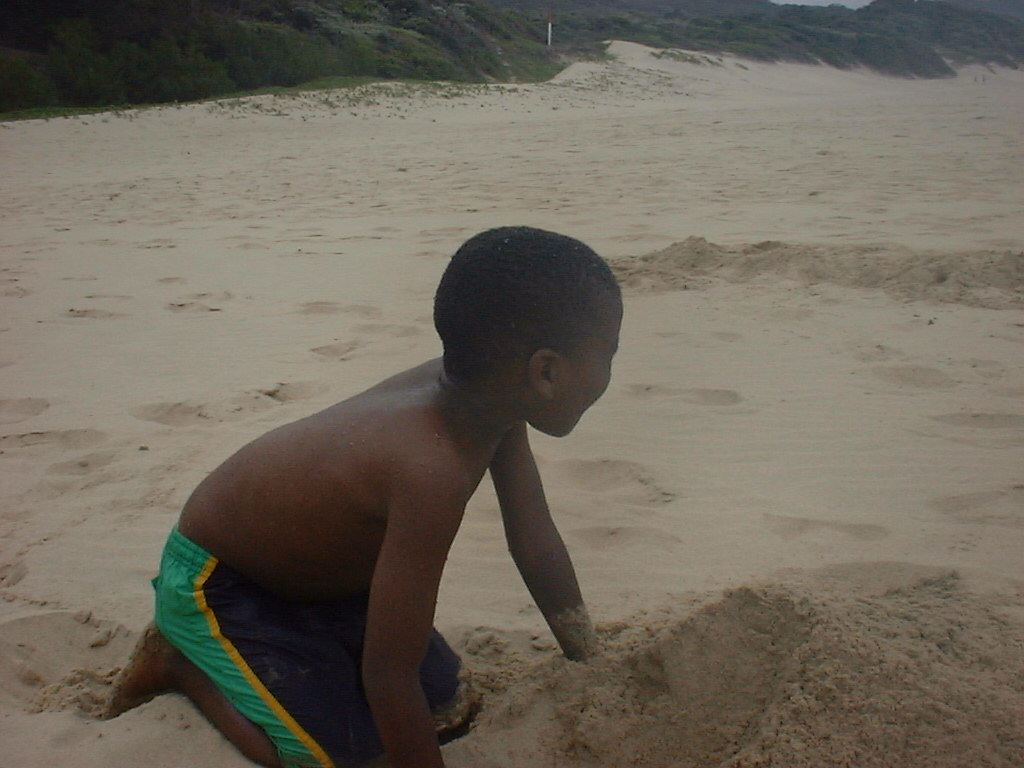
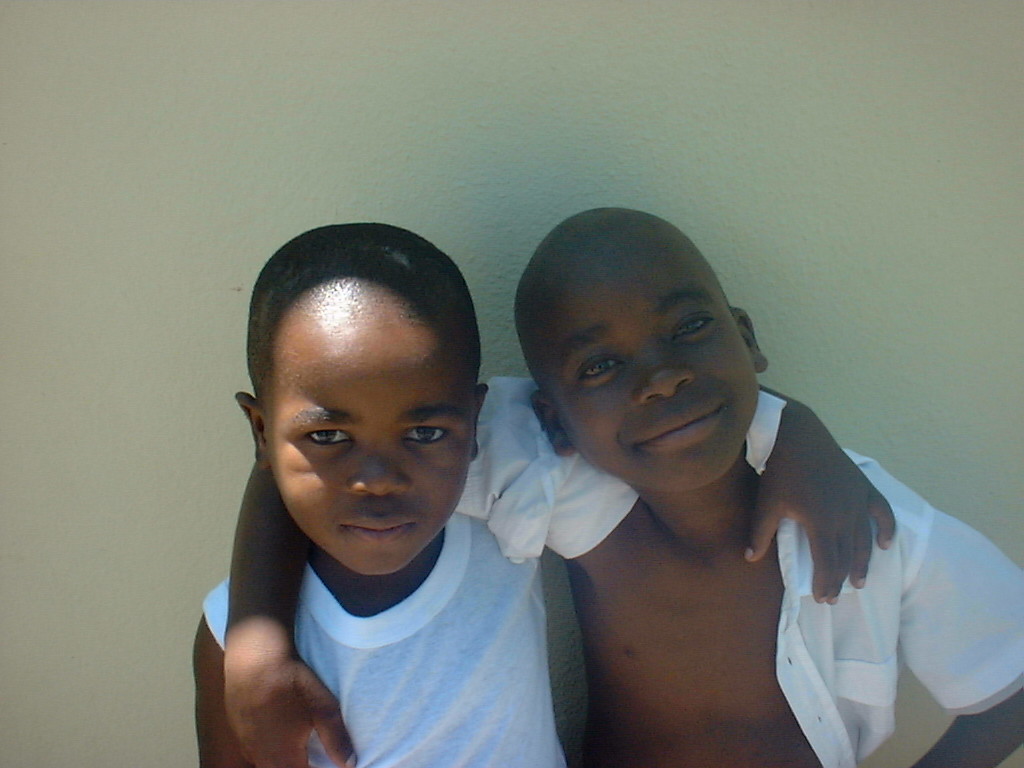
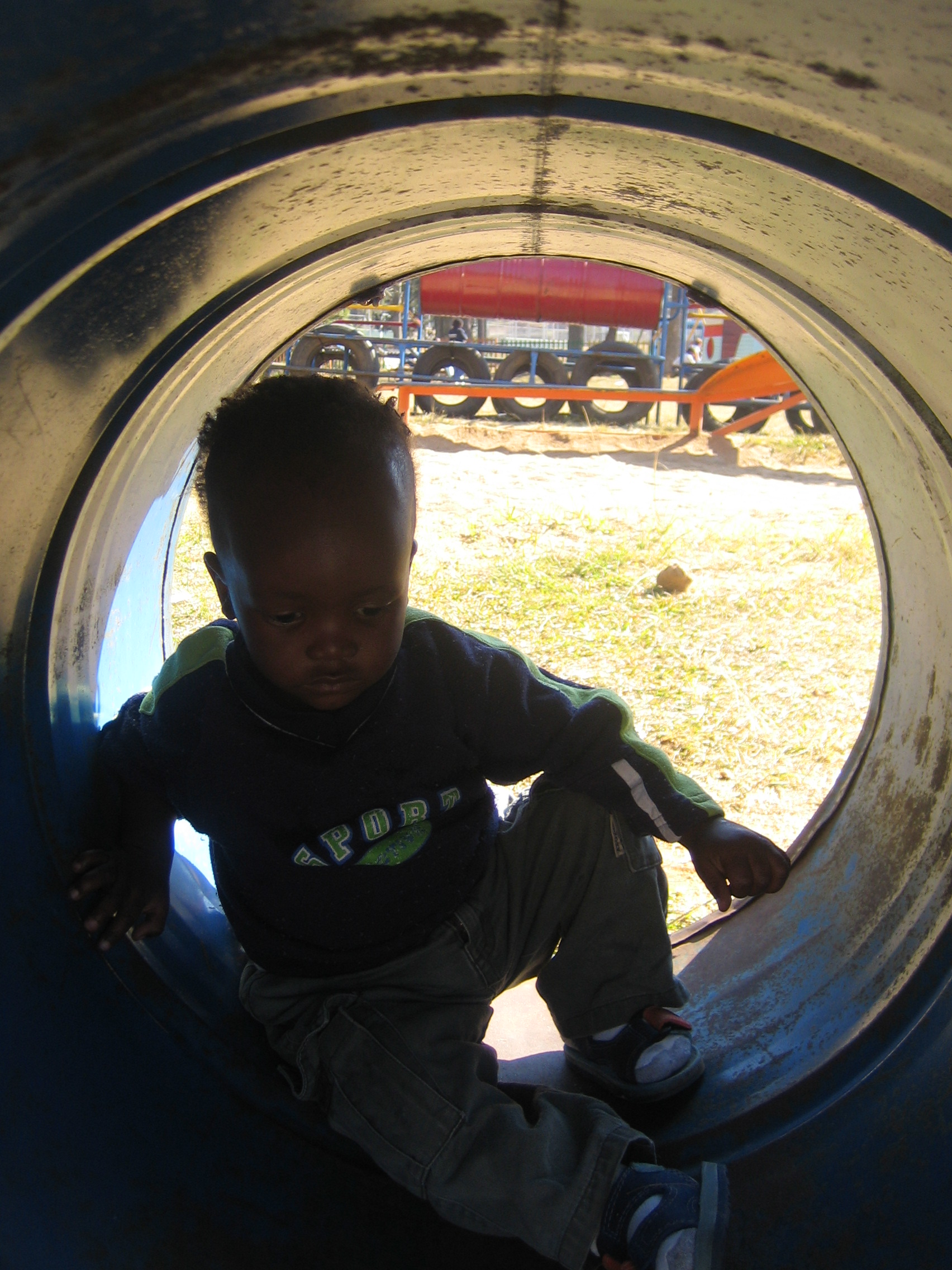
The young boy pictured above in all eight photographs was one such child and had been left at Ward 8 for almost two years with little contact from his family after he was orphaned in 2004. I found out a little about him. He always seemed lively and curious however it was obvious that he suffered from ill-health.
I knew that the future was bleak for him if I did not do something. Another teacher at the school had recently adopted a baby from the same place and so I thought why shouldn’t I do the same. I made arrangements to foster the boy as well as another boy who was in the same situation. So started a long journey.
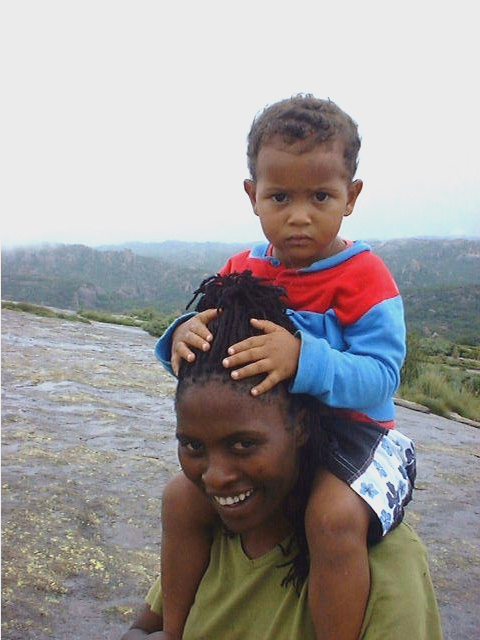
I asked about the possibility of fostering at the hospital and they were happy for me to take the two boys home for the weekend. I did so. I very quickly realised that I would like this to become a permanent arrangement. Arrangements were made for me to visit the offices of Social Welfare. A very kindly lady called Babazile Sigwane was my social worker. After a couple of visits with her, she suggested that I go for adoption. I would not have done this had I not known that I could get British citizenship for my adoptees. I looked into this and as I was resident in Swaziland at the time, the adoption was the responsibility of the local authorities. Swaziland and the UK recognise each other’s adoptions and so after I adopted Sikhumbuzo as he was then known, I applied for British citizenship at the British High Commission in Pretoria in early 2007. The smaller boy in the top set of pictures had a more complicated situation. His father’s location was unknown and he had been physically abused by his step-mother. He had an open wound on his head that was healing when he was with me. He grew very attached to me and it was very sad that I was told that it would not be possible to adopt him. I tried my hardest but it was not allowed. The reason stated to me was that the father could not be located however it had been over six months since he had had any familiar contact so I think this was not a valid reason.
So I adopted my son in December 2006. In June, we left Swaziland for the UK. I had already secured a new job in central Europe due to start that September but in the meantime, we spent the summer in England staying at my mother’s place. In August, we both moved to Bratislava in the Slovak Republic where we remained for four years. My son attended the same school as I worked at. In 2008, I bought a house and things were looking good.
There was a happy ending to what happened to the other boy I could not adopt because he did find a place at the Lighthouse children’s home. It is a very well-run orphanage with a system of house mothers who are responsible for a small number of children. It is a very caring environment and the children grow up in a family atmosphere. I send regular parcels of clothes and books to him there and keep in touch.
What I couldn’t understand about the situation at Ward 8 was the fact that the nurses seemed so apathetic and disinterested. A lot of toys had been supplied and were stuffed into a cupboard and never taken out. The walls were bare. Food was very basic and the older children slept on old mattresses on the floor with no-one to ensure their safety at night. There was a playground at the back of the hospital just behind the room which housed these children and the grass was overgrown. Our plan at the start of the project was to cut the grass and paint the swings and slides so that they could be used. But this was discouraged as the nurses wanted us to take the babies off their hands in the afternoon.
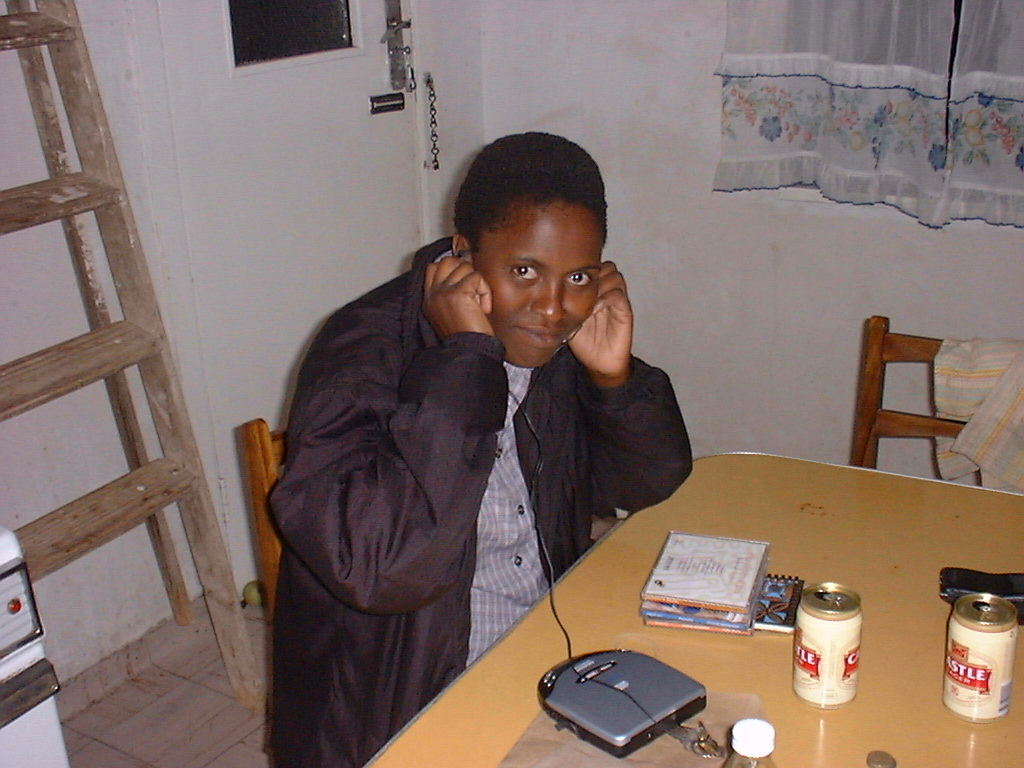
My friend Nontando is shown here in her flat in Bulawayo. This was possibly at the end of our road trip in the summer of 2001. I had known Nontando since the time that I had taught in Zimbabwe during 1996 and 1997. I paid a lot of visits back to Zimbabwe after I left at the end of 1997. Each time I returned, the currency was worth less and less in real terms. The decline of living standards and the availability of food in the shops was shocking.
Nontando’s partner is a British man who emigrated to Zimbabwe in the 1960s as a young man. I rented a room in a house he owned on Barbour Avenue in the area called Parkview. It was a grand old house with a metal corrugated roof and a borehole with the date 1890 on it. I taught mathematics and physics A-level at Mzilikazi High School. I did an alright job but looking back on it, I realise that there was a lot that I could have done better. I had actually forgotten a lot of the A-level mathematics that I had studied in my youth. Despite this, I managed alright and the class that I taught for two years came out with decent results.
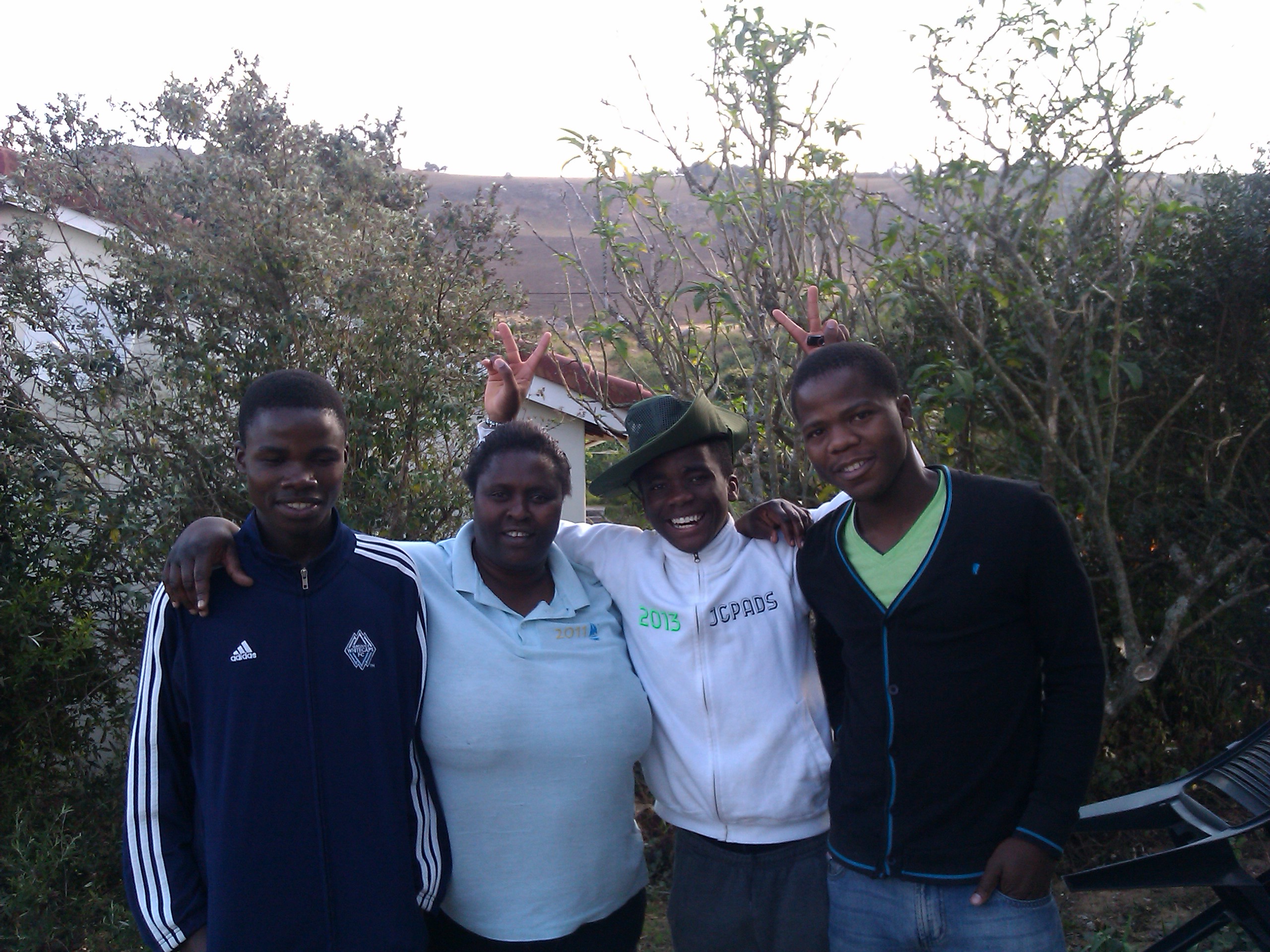
On my numerous visits back to Zimbabwe between 1998 and 2013, I have met up with Nontando either in Bulawayo, Johannesburg or Mbabane. She has a teenage son with her partner as well as another son from a previous relationship. In recent years, I havent seen her as often as I would have liked and it is always surprising to see how much bigger and older her sons are.
Bulawayo in particular has a special place in my heart. I know it very well and have spent many happy hours at Matopos National Park to the south of the city. This is well worth a visit and has beautiful granite balancing rocks that used to feature on the old Zimbabwe dollar notes. It also has cave paintings made by San bushmen many thousands of years ago.
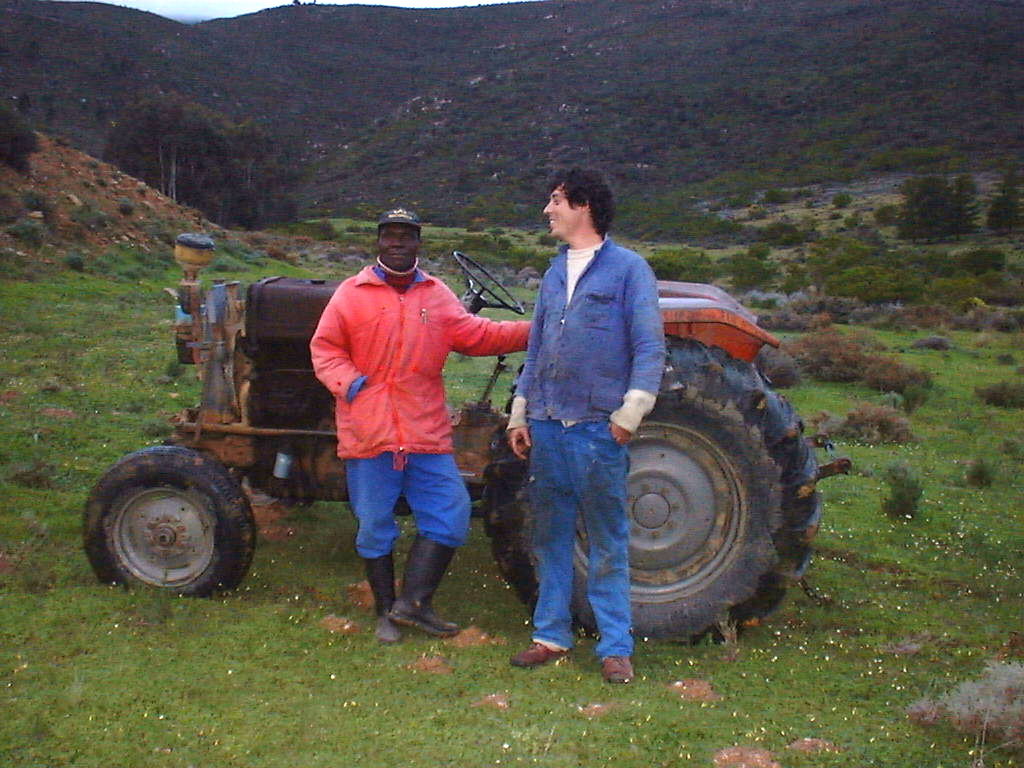
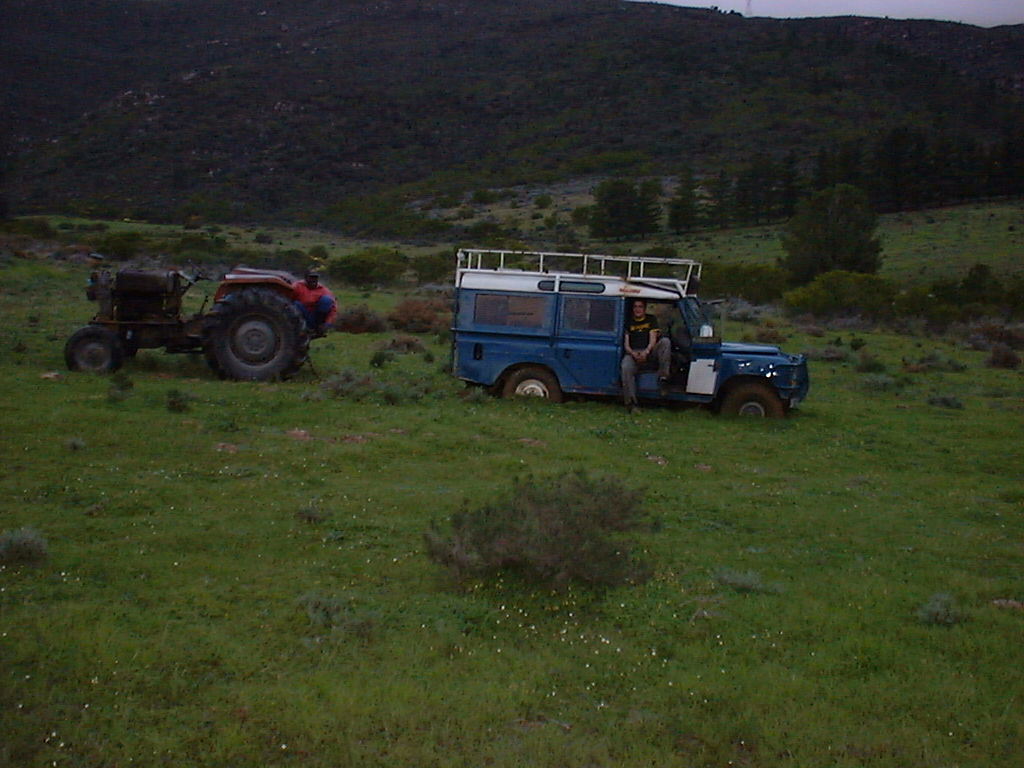
Here you see me sitting in the drivers’ seat. The land Rover is well and truly stuck in the mud. I was travelling with my friend Nontando from Bulawayo. We had just dropped off Maurice at the farm. We visited the local Drostdy Hoff winery where we picked up some rather nice white wine. After leaving Tulbagh, Nontando and I headed down to Cape Town. We were planning on meeting up with Nontando’s other half Tim Cherry and her young four year old son Andy. After a few days in Cape Town, we then followed the Garden Route via George, Knysna and Port Elisabeth. Our destination was ultimately going to be Durban before driving back to Zimbabwe via Beitbridge.
At Pietermaritzburg, I paid for Nontando to do a tandem skydive. I was doing some parachute jumps myself and had just started my advanced freefall course. She unfortunately threw up on the way down inside her jump suit, as recommended by the tandem master!
This is my son Patrick in Sønderborg, Southern Denmark, taken in October 2011.
I taught at a college in this small provincial town in Southern Denmark for just over a year. It was called EUC Syd. I found the transition from working in Slovakia (where I had lived previously) to cold and wet Denmark difficult. Part of the reason was the high cost of living and my reduced income. The other factor was getting used to the Danish rules and the culture of expecting foreign workers to find out important facts by osmosis. The attitude was one of unhelpfulness. I found this very frustrating. The language barrier was also another factor and the high tax regime.
EUC Syd would fall broadly under the category ‘community college’ in the UK. It is mostly for vocational students but also has a technical high school. There was being set up an IB department (International Baccalaureate) here but there were certain people in the school who seemed hostile to the idea that they should cooperate with the setting up of this school within a school. This caused a lot of difficulties.
The academic coordinator was a Czech man who had lived for thirty years in Denmark. He had recruited me and had been very optimistic about the opportunities the new department would afford. However the first cohort of students was too small. We only had eleven students to begin with and I had had no hand in recruiting them. They were mostly unmotivated, lazy and bored by the whole concept of education. I don’t know if it was something in the water but they were rude and surly too on the whole. Getting homework done was like getting blood out of a stone. Forget deadlines. Plagiarism warnings went unheeded as everyone copied off each other for coursework assignments. We went down from 11 students to four by the year’s end and two of these were students coming in from other colleges. I really felt that I was wasting my time.
The behaviour of a lot of the students in the college left a huge amount to be desired. They became aggressive when challenged. Some of them used to enjoy kicking a full water bottle as hard as they possibly could down the entire length of the corridor. Once, this happened right in front of the principle and he did nothing. They also enjoyed pushing each other on office chairs as fast as they could. After I began complaining, a spate of door knocking began on my classroom door – by the invisible man. I found the group behaviour amongst the students the strangest. They had an unnerving habit of all turning and staring at someone at the same time. It was very odd. Danish culture to me seems a warning against those who would say give young people all the freedom they want.
I made these notes about three months after starting to work there.
22nd Nov 2011
Teaching coordinate geometry. Harry, Nick, Nour and Deanna absent. Annetta may as well be absent too – not paying any attention. No one copies down any notes. No response from anyone to questions except by repeated questioning, even to simple questions. Last week, only one person did homework. Everyone looking at their computer screens instead of at the board. The exercise does not need the use of a computer. I cannot teach this SL class because they do not want to learn or listen. They just want to play on their computers. I have never known anything like it in 15 years of teaching.
Annetta browsing internet all lesson. Refusing to cooperate.
23rd Nov 2011
Daniel doing nothing for one whole lesson. Instructed to do work on paper but did not. Annetta seeming to sleep for first part of lesson, with head on the desk.
29th November 2011
Nick disappears after 5 minutes. No one greets me. Given tasks to do on paper and most of sl students are tapping away on their computers. Saw Daniel and Nour had facebook or similar open. Arndis not paying attention to what I am saying, looking intently at her screen. Harry, Agnieszka, Nick, Deanna are absent. No homework done from last lesson even though it was simple.
30th November 2011
No Harry, no Nick. Not greeted by anyone on arrival. Explained to everyone that when their absence is down at 50%, they can’t expect to do well. During this, Diana is chatting and ignoring me. Diana is doing some other homework during the lesson. Annetta is on the computer definitely not doing maths related work. Agnieszka and Nour are taking notes and Daniel and Arndis are working properly. Deanna really should leave and so should Annetta. Annetta, Deanna and Agnieszka are routinely not paying attention.
2nd December 2011
Went through simultaneous equations with Annette. She was only half paying attention. For the other half of the time, she was staring intently at her computer screen. Long silences. After 20 minutes, I decided that I would just leave her to it.
I was also struggling financially and I could not afford to own a car. Most of the other staff had two breadwinners. I was at the time a single parent with a teenage son.
Here is a comment I made on FB in 2011. “Been trying to persuade teachers in my school that the behaviour of the kids here is not good enough. Lost the battle a long time ago. ‘You’re used to working in private schools – their behaviour is fine. ‘ So kicking furniture around the corridors is fine. Disrupting lessons by fighting in the communal areas is fine. Not doing homework is fine. Being rude and arrogant is fine.
Meanwhile, our IB coordinator shows a prospective replacement around constantly introducing him with the wrong name. How difficult is it to get someone’s name right?”
“Danish students – a group walking past my classroom overhear another teacher giving instructions to their class:’Ok please sit down and …’ so they mimic ‘Please sit down motherf***ers’. In Denmark, this is normal and is not reacted to by any teaching staff.”
When something needed doing urgently, the attitude was ‘who gives a fuck.’ Not even the management seemed to care. No one seemed to try to plan ahead of time. My first pay packet was taxed 55 % and I had to inform the school that unless they taxed me correctly, I would have to leave. I needed my son’s residency permit in order to register him for school in August 2011 and to apply for educational support for him and I had to plead to get this piece of paper in time. No one had thought that I might need it. On some days, I would be the only one in the office 5 minutes before lessons started. One childish teacher began to accuse me regularly of not putting away lab equipment and would even chastise me for having an untidy desk. I would definitely advise anyone against working in Denmark.
“If you are interested in horrible places, I can recommend Denmark. No one starves. Everyone lives in small, pretty houses. But no one is rich, no one has a chance to a life in luxury, and everyone is depressed. Everyone lives in their small well-organized cells with their Danish furniture and their lovely lamps, without which they would go mad,” V.S. Naipaul.
The holidays were a lot shorter than in the UK and in Slovakia. In Denmark, the school year starts in the first week of August and continues right through to just before Christmas but nothing ever seems to get done for the amount of time kids spend at school.
To say that I disliked living in Denmark is an understatement. I noticed a “couldn’t care less” attitude in many different ways. I once got locked out of my bank account for entering my PIN incorrectly. I went into my bank branch and without showing any ID, they gave me money from account. They didn’t know me from Adam. After 17 months of this, I decided to leave because I could see that it was a lost cause. I did not make myself popular because I vented my frustrations in the staff room. Other staff did not seem to care or were too soft on the students. I would just say most didn’t care at all. Communication was very sloppy and my feeling was that many IB teachers were not following the IB guidelines in grading and assessing material and in assessing group coursework. Staff were always happy to make excuses for the students. This is how things work in Denmark: I call a meeting at work for all teachers who work in the physics lab. I invite the head of the section too. Out of 4 people, only 2 turn up. Even the head of section doesn’t turn up. He even acknowledged the invitation and I saw him moments before the start of the meeting. The other person disappears from the meeting while the first person who turned up is showing me something in the next room. I find the way people work in this country very strange.
Yes, I felt that the Danish claim to a perfect life was a big lie. Everyone seemed miserable, like the weather. And I didn’t mention the casual racism my son encountered.
My first job working overseas was in 1996 with Voluntary Service Overseas (VSO). I was recruited to teach mathematics and physics in Zimbabwe’s second city Bulawayo. I had done a little travelling up till then and had spent a month in South Africa two years previously. I had gone out to visit Jack who lived there at the time. I liked the wide-open spaces and the excitement of discovery. Although I was in my late twenties, I was still discovering who I was. I had been interested in working overseas for some time.
I travelled out on a British Airways flight to Harare with overweight bags one day in early January 1996. I had little idea what Africa in general and Zimbabwe, in particular, would mean to me in time. The induction training lasted about three weeks and was located at a development centre called Silveira House[1] about 20 km to the east of Harare. We received some language and cultural training and got to meet the other volunteers. They were a mixed bunch and all in their early twenties. Most had been recruited as teachers. There was a shortage of maths and science teachers in the country at the time. It had been only sixteen years since independence and Zimbabwe had an impressive literacy rate compared to neighbouring countries. The only dark stain was a less than glorious human rights record, notably the retribution against ZAPU in 1983 lead by the North Korean trained Fifth Brigade[2] which lead to massacres and appalling atrocities against civilians in Matabeleland, who were seen as opposing the leadership of Robert Mugabe.
I started teaching at the school to which I was posted in early February 1996. It was called Mzilikazi High School and the headmaster was Mr Cuthbert Chiromo. For the first few weeks, I stayed with an elderly white couple, the Pagets, in a suburb (called Suburbs) about two kilometres to the south of the city centre. I lived in a granny annexe attached to the house and ate my meals with them. I was not allowed to use the kitchen and had to ask if I wanted anything. I used to get a lift to town every morning with Mr Paget and walk the rest of the way to school. Mr Paget had a maid and her family staying at the back of their house. He used to give his maid’s children a lift to school. I never forget how he used to yell for them at the top of his voice when he was ready to go. My school was on the opposite side of town, near Mpilo Hospital. At first, I walked back home but after I developed heat stroke one day, I decided that this wasn’t such a great idea so I would take a taxi. Now, a taxi doesn’t mean the same as what you are probably thinking. It meant sharing the cramped back of a Ford Escort Estate or something similar with perhaps seven others. And cost Z$2.00 or 20p.
My teaching was split between A-level mathematics and physics. The equipment was extremely limited, but we made do. The school laboratories had at one time been well-equipped and the detritus of old and broken lab equipment cluttered the cupboards. I also taught a top set maths class of fourteen-year-olds. I had no prior teaching experience and was comfortably naive in my lack of appreciation of the difficulties in teaching generally. All the volunteer teachers had been sent on a short training course in the UK and mine had been a week or so based at a school in Abingdon as I was living in Oxford at the time that I was recruited.
The classrooms were bare and dusty. I used to buy my own chalk because the chalk provided by the school was of such poor quality. The days were long. I taught one class in the lower school, which operated on an alternating biweekly timetable running from 7.30 to 12.30 on one week and 12.30 to 5.30 the next. This system was called ‘hot-seating’ and ensured that all children of secondary school age had a place. The A-level classes had a weekly timetable.
The headmaster ran the place with an iron rod and corporal punishment was in use. The students were petrified of him as were the staff because he held a lot of power over them. He was hardly ever seen in the staff room. He had his morning tea brought to him in his office, which had an electric heater on during the winter months. His desk was orderly. Anxious parents who could not afford to pay the school fees lined up outside his office for an audience. With me, he faked an air of false conviviality. The deputy head, on the other hand, wore torn shirts, had a ramshackle office with stacks of disordered papers on his desk and had a drink problem.
A fellow teacher called Claire taught Biology. Claire was from Hull and liked everyone to know it. She was very opinionated and got very annoyed if you contradicted her. She told me that she was having problems with a group of fifth form boys and had complained to the headmaster when she felt that she could not deal with it anymore. The headmaster called her in with the boys concerned and beat them in front of her. He then made them crawl on their hands and knees and apologise to her. She wanted to leave the room when he said that he was going to beat them, but he would not let her. She spoke to the boys afterwards and said that she had no idea that they would be beaten and humiliated in that fashion. They said that it was alright, and they did not mind.
There are a lot of misconceptions about living in ‘Africa’. A friend of mine wanted me to give him my best pullover because he thought that I wouldn’t need it, after all, Africa is always hot. What got me first was the climate. Bulawayo, like Johannesburg, is on a plateau. The sun can burn all year round. In winter, the temperature at night-time can drop to a few degrees Celsius but it does not feel that cold because the air is so dry. In the summertime, there are many thunderstorms. By mid-afternoon, there is usually a downpour. This clears the air and is very welcome.
When I moved to Zimbabwe, the economy was doing relatively fine. There were about ten Zimbabwe dollars to the pound. There was plenty of food in the shops. Of course, there were poor people and beggars in the streets, often looking filthy dirty and emaciated. But most people had enough to eat and transport was affordable. As an expatriate, Zimbabwe was very cheap. Soon after starting work at Mzilikazi High School, the government doubled the salary for teachers. I was earning enough to support myself and go on holidays to neighbouring countries so long as I was careful. There was a good health-care scheme. Medication was subsidised and to see a doctor was free. Bulawayo had a range of good cafes and shops that seemed a throw-back to the fifties. Haddon and Sly was a classic example. The shop displays were very old-fashioned.
Skies
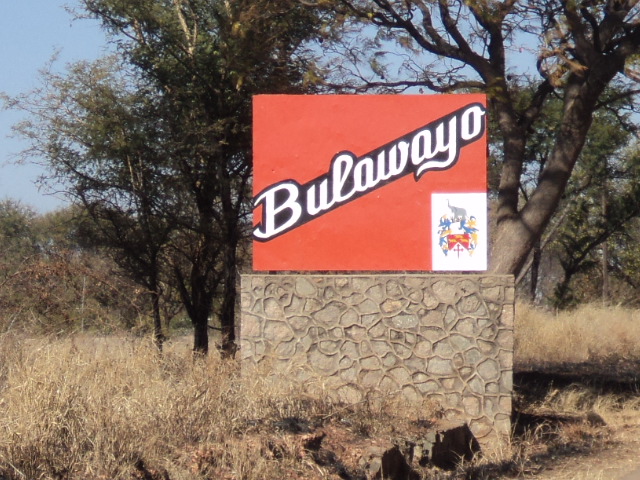
Figure 1 Bulawayo.
Haddon and Sly was an old-fashioned department store, and it was like walking around Woolworths in the 60s. It had a popular café upstairs, but the service could be unbelievably slow. Last time I visited in 2013, it had been divided up into tiny units and was unrecognisable. The window displays were from another era.
You could buy luxury goods such as olives, imported beer and so forth if you looked. There were good locally grown coffees and vegetables could be bought for very little at the market on Fourth Street. To get about town, we would catch a Rixi Taxi. It cost just a few dollars to ride a couple of miles from the big supermarket where we did most of our shopping back to Parkview. Some of the taxis were very dilapidated. Once, when my mother and stepfather were visiting, we caught a taxi that had a problem with the accelerator cable. The driver had connected a piece of string from the carburettor and controlled the engine speed by pulling on it. The string passed through the driver’s window.
After a few months, I began sharing a house in Parkview with three other volunteers, one Australian and two British people. The Australian lady worked as a physiotherapist at Mpilo Hospital. One was the biology teacher Claire at my school whom I mention above. Stephen was a qualified teacher from Bristol. He was a very entertaining and outgoing man with a very wide range of interests including sculpture, and not a VSO volunteer but the boyfriend of one called Nita who taught near Gokwe. He taught at Evelyn Girl’s School and said that the staff were snobby and complained if he did not wear his tie properly. He suffered from low blood pressure and had to wear it loosely. He was rather eccentric and unconventional. There was a big public swimming pool on Samuel Parirenyatwa Street where we went in the summer months. Stephen used to swim up and down in a snorkel and fins. I never really worked out why.
Claire and I weren’t the only white teachers at my school. There was Siân who was Welsh and married to a Zimbabwean man in the military and a Russian lady, also married to a Zimbabwean, who rarely spoke to us. Both were in the science department. Tea was served daily in the staffroom, without milk. If you wanted milk, you had to bring your own. Some samosas could be bought from a nearby shop but sometimes they were so salty that they were almost inedible.
Most of the VSO volunteers in Zimbabwe at that time were employed as unqualified teacher. There was a shortage of teachers at that time partly due to the low salary. Shortly after I arrived, the salary was significantly increased. VSO mostly recruited to the rural areas where teaching staff were hardest to retain. Headmasters had a lot of control over their staff. They could recommend to the Ministry of Education that a teacher be moved to another school. This sometimes happened as a form of punishment. For example, a French teacher who dared to speak out during a meeting where the headmaster and officials from the Ministry of Education were present said that there was a shortage of furniture and what was going to be done about it. He was moved to a rural school as a result of that.
I bought a bicycle and rode to school each day. It was about three kilometres away. I had wicker furniture hand-made for my room. I listened to the World Service, ordered the Guardian Weekly by airmail and enjoyed the peace and quiet at weekends. It was a quiet suburb except when the buses to Harare topped nearby on the Harare Road and I could hear the calls and whistling of the conductors touting for customers.
Our landlord was Tim Cherry. Tim had emigrated to Rhodesia in the 1960s to join the British South African Police when he was still a teenager. He studied law, joined the Air Wing of the Rhodesian Army during the bush war in the seventies and has lived there ever since. Tim had a lady friend called Nontando. She knew many of the VSO volunteers and helped us settle into the country. She joined us for many of our outings to nearby Matopos National Park. In 1998, she had a child with Tim. I have kept in touch with Tim and Nontando ever since.
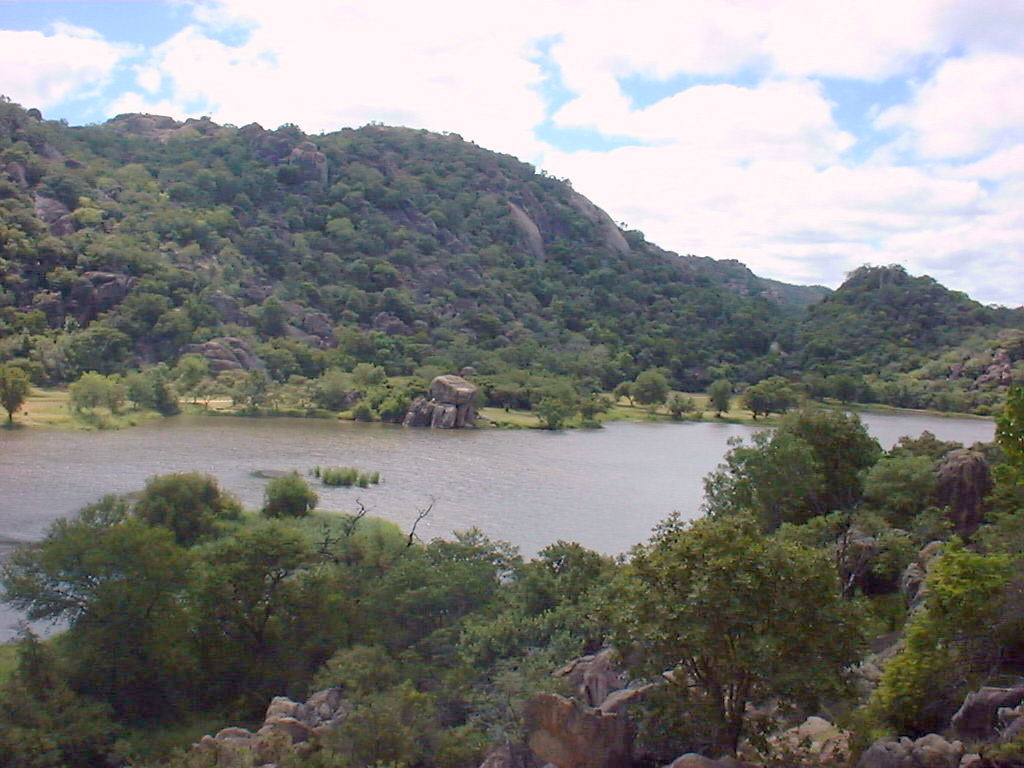
Matopos National Park is a favourite place of mine. It is a national park in the granite hills about 40 km to the south of Bulawayo famous for its balancing rocks. There are lodges near Maleme Dam which we used to go and stay at. As residents, we got a great deal and they were kitted out with a fridge, electric cooker and running water as well as proper beds and furniture. There are cave paintings and beautiful scenic walks, warthogs, hippos and fish eagles. The fish eagle makes a characteristic squawk – one long rising call followed by four shorter descending tones. It’s a very eerie and haunting sound. It is not possible to swim in the lake because of the risk of contracting bilharzia.
Figure 2 Maleme Dam in Matopos National Park.
I once camped with friends Rachel and Mike next to Toghwana Dam, another lake in the Matopos to the east. Mike had an African drum which we were playing. It attracted a hippo which did not take too kindly being disturbed. We had our tents pitched on open ground next to the lake. Before we went to sleep, we decided to put the tents up on the rocks nearby, which was a good decision because in the night the hippo came out of the water and trampled the area where we had been. It was a lucky escape. A young German doctor was visiting a little while later whom we took to Matopos and he refused to believe it.
I met Dr Willy Legg in the first few months of my time in Zimbabwe. Dr Legg worked at the hospital at Gwanda, spoke fluent unaccented Ndebele and was openly gay. I met him through Bugles, the Bulawayo Gay and Lesbian Society. Willy Legg was rather overweight, and in his fifties when I first met him. I stayed at his house in Gwanda on a couple of occasions and we did have a brief fling, but this did not last long. He was into Hinduism and could make chapatis from scratch. He had lived in Zimbabwe all his life and had a typical ‘Rhodie’ accent. He showed me Khame Ruins, Gwanda and beautiful places I would not have found otherwise.
Most teachers taught by rote. Students took examinations in the third year of their secondary education which were set locally. The mathematics examinations were ridiculously hard for such an age-group and I don’t know what they hoped to achieve by this. Students set O-levels in the fifth year which were set by examination boards in the UK however this changed a few years later. We had a visit from an Education Officer from the Ministry of Education during my stay. He observed some lessons. He bragged that all his students passed with A-grades and we could do the same. It was patently not true as no school in the country ever achieved such results, especially when many kids came to school hungry. It was common for girls to faint from hunger. But this made no difference to him and he lectured us. Claire from Hull challenged him on this and got annoyed with me and the other teachers that I would not do the same. But when someone is in a position of authority like that in Africa, you do not challenge them. Certainly, no black teacher could get away with that.
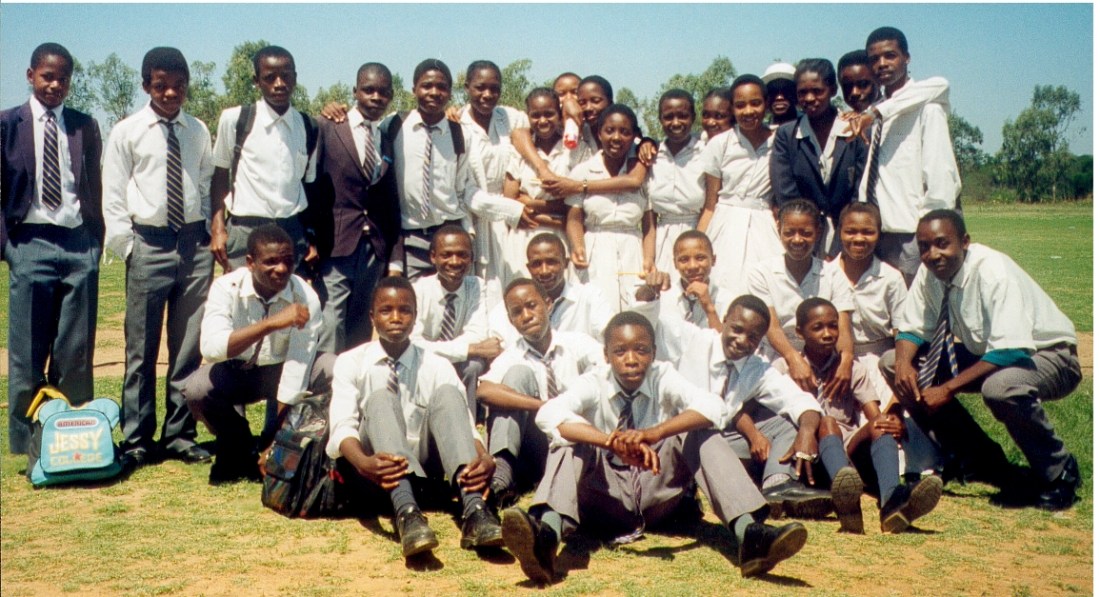
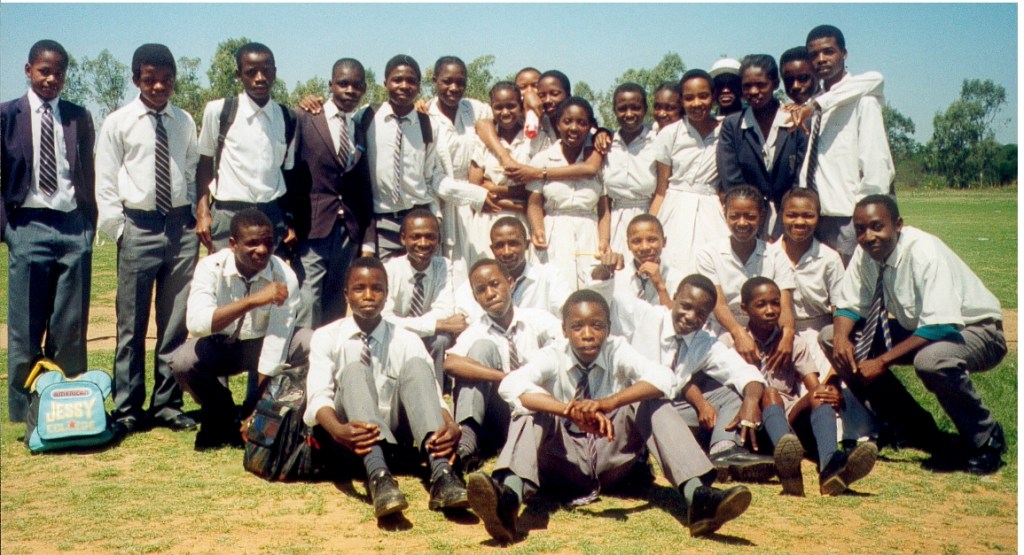
My A-level maths class in 1997
Figure 3 My fourth-year maths class at Mzilikazi.
Discipline was poor but punishment was harsh. Boys could be beaten with a cane by any teacher although it was only supposed to be the headmaster who did this. During assembly once, which was held outside due to the lack of space, some boys at the back of the crowd began throwing stones towards the front. There was little that even the headmaster could do because if he had yelled and shouted, he would have lost face.
Once, a girl of about fourteen in my maths class asked me if I could help her with something. She then began describing how she had certain personal medical issues, and could I help. I realised what the misunderstanding was. I was known as Dr Evans because of my PhD and she thought I was a medical doctor.
Figure 4 Faye Letts on the left before she left for Rhodesia.
Faye Letts, pictured here on the left before she left England for what was then Southern Rhodesia, was the librarian at Mzilikazi High School. When I joined the school, she was already in her sixties but had been living in Zimbabwe for over forty years. She was plump, about five feet five inches tall and looked about ten years older than her years. She played the piano at assemblies, which were held once a week in a draughty hall, and I think she also gave religious instruction. She was a lay preacher for the Methodist church and very devout and eccentric. She was originally from Benfleet in Essex.
She used to threaten the children with a stick, and they enjoyed provoking her. She drove a white Datsun Cherry to school and lived in a small apartment on the northern side of town. She could best be described as idiosyncratic. In searching the internet, I came across this announcement of her passing in February 2003 in the Zimbabwe University Libraries Consortium newsletter.
“She was born in 1937, trained as a teacher in the UK. She taught at Oriel Girls High in the early 1950s and then came to Mzilikazi High School, Bulawayo in 1971 where she was a teacher-librarian. She was one member of the association who always gave us ideas as to how we should run the Branch.”
The majority of VSO volunteers in Zimbabwe were in their twenties and were mostly a heavy-drinking lot who seemed to think they were on an 18-30 holiday to quote the VSO Field Officer of the time, Jane Adisu. I remember hearing about some of the exploits such as sleeping with prostitutes (despite the warnings about HIV). One fellow VSO teacher related how he had got drunk with another teacher at his rural school and found a half-eaten mouse fried mouse in his pocket the following day.
I visited a volunteer called Claire (not the same Claire I shared with) who taught at a small rural settlement 120 km south of Bulawayo. I visited her one weekend and took two buses to reach her. The volunteers in the Bulawayo area and further afield used to frequently come and stay for the weekend. I also visited Stephen’s girlfriend Nita, who taught at a school near Gokwe. It was a long journey to reach her school from Bulawayo, being 430 km from the city. My friend Tim Cherry was flying that weekend and he took me up to Kwekwe then I caught a bus to Gokwe and on to her school at Mateta. The settlement had no electricity and water came from a handpump. At night, the stars were spectacular. We went for a drink at the local bar and got very strange looks from the locals who did not expect to see so many white faces. I was glad to be living in the city as I think I would have been bored living in a rural settlement.
In Bulawayo, on the weekends, I went for coffee and cake at the National Gallery on Main Street or Haddon and Sly department store, and for a while, I hung out with some white Zimbabweans I had met. They all drank far too much. We socialised at a bar opposite the British Council near the Town Hall called The Terrace. The local beers were Bohlingers, Lion or Zambezi. They were very variable in quality. Shops closed at midday on Saturdays. Takeaways were available at Chicken Inn but were a little expensive on a teacher’s salary. Maureen was in charge of the British Council and was a useful contact. She tried to scare us by showing us horrific photographs of what AIDS could do to the body. We could also receive phone calls and use the computers there. I called home fairly regularly. It was possible to buy a phonecard, but the calls were expensive. I mostly wrote letters home.
It was known by the VSO volunteers that I was gay, and I was the target of some homophobic slurs by some of the male volunteers, behind my back of course, including from an Asian British VSO volunteer who was very quick to get angry when he heard racist comments from white Zimbabweans. There was a priest who taught at one of the boys’ schools in Bulawayo who I met through Faye Letts. He had the hots for me and kept on bothering me. This carried on for some time. This was unwanted attention. He invited me and a couple of the other VSO volunteers to his house one day and went on a racist rant about black Zimbabweans saying that they had barely come down from the trees when the white man arrived in Zimbabwe. One day, he was dropping me off at my house and his hand wandered onto my leg. He had been inviting himself over to my school on pretexts and so I write to him telling him that I did not want to see him again. I knew what he wanted, and I was not interested. It was not just that but his racism more than anything that bothered me. He gave me the creeps.
At the end of my second year in Zimbabwe, people in my house had returned to the UK and I was left on my own. I was finding it difficult on my own in the evenings, so I decided to tell the school that I was leaving once lessons were over and exams had started. They were not particularly happy especially since I had taken a bit of an extended holiday in August when, to fit in with the schedule of some friends who were returning to the UK, arranged with them to drive from Cape Town to Windhoek in Namibia and back to Zimbabwe via the Caprivi Strip. I arrived back at school several days late and made excuses that I had been ill. The truth was that I had been very ill with a chronic cough in Namibia, but the lateness was planned.
Bulawayo was quite a polluted city and I suffered from the dust and pollution at certain times of the year. I frequently had a bad cough, and this developed into a racking and debilitating cough if left untreated. I had symptom of asthma ever since I had lived in Oxford. I used to ask the kids not to sweep the classroom, which they liked to do at the beginning of a lesson, because it kicked up so much dust.
When I left Zimbabwe, I decided to spend a few weeks in South Africa. I flew down to Cape Town. Some of us VSO volunteers had met up in Cape Town previously and had a lovely time travelling along the Garden Route.
On a previous trip to Cape Town in 1996, I had hooked up with a coloured man by the name of Franklyn. We had spent some time together. I met his family and stayed over at his house. He behaved as though he was in the closet to his family. His parents hardly spoke to me and I felt that they knew what was going on. We were having sex in his bedroom which adjoined his parents’ room. It was very weird. He found me a place to stay with another gay friend of his in Bo-kaap, an area of Cape Town walking distance from the city centre and famous for its Muslim residents and unique architecture. I forget the name of the man I stayed with, but he was a skilled dressmaker and had clients visit for fittings. I was paying him rent and he did not turn out to be very friendly, expecting me to stay in my room when he had clients. It was when I was staying there, at the end of 1997, that my sister Emma came out to visit me. We hired a car and did a big tour of the Garden Route as far as Plettenberg Bay. It was on that trip I think that I discovered that Franklyn had been or was married and had a four-year-old child. I could not comprehend how someone could lead such a double existence.
I met Leonard at a café on Long Street after Christmas in December 1997. He was friendly and charming, about eight years older than me and from a Jewish family. He owned a house on Faure Street in Gardens. Leonard had a lot of well-connected friends, for example, the former mayor of Cape Town and a lesbian couple who ran the boats to and from Robben Island. We began seeing each other and visited Rachel and Mike on their farm at Tulbagh in January.
I stayed with Leonard from the end of December 1997. I applied for a job at a state school in Cape Town and was offered the position, but all depended on getting a work permit. We began looking into this but there was no guarantee that I would be able to secure a work permit based on my relationship.
Leonard’s family were wealthy, and he owned a lovely house in a desirable suburb of Cape Town called Gardens. Leonard was a complex character and kept a large part of his life secret from me, or so I felt. He was also liable to moods and somewhat irrational and unreasonable behaviour. We argued more and more, and I felt uneasy living with him. He took laudanum, which is a solution of opium in alcohol. When he did this, he could not be roused. This concerned me. I decided to go back to the UK but did not tell him that I would not be returning. This was not very brave of me, but I did not want to argue with him.








 Meanderings of a peripatetic maths teacher